Iran Targets Red Sea Control
Iran seeks to control the Red Sea, a vital maritime chokepoint. What does this mean for global trade?
'%3E%3Crect%20width%3D'96'%20height%3D'96'%20fill%3D'%234A235A'%2F%3E%3Ccircle%20cx%3D'30'%20cy%3D'24'%20r%3D'44'%20fill%3D'%23fff'%20opacity%3D'.12'%2F%3E%3Ccircle%20cx%3D'60'%20cy%3D'74'%20r%3D'40'%20fill%3D'%23000'%20opacity%3D'.10'%2F%3E%3C%2Fg%3E%3Cg%20fill%3D'none'%20stroke%3D'%23fff'%20stroke-width%3D'3'%3E%3Ccircle%20cx%3D'48'%20cy%3D'48'%20r%3D'16'%2F%3E%3Cellipse%20cx%3D'48'%20cy%3D'48'%20rx%3D'6.5'%20ry%3D'16'%2F%3E%3Cline%20x1%3D'32'%20y1%3D'42'%20x2%3D'64'%20y2%3D'42'%2F%3E%3Cline%20x1%3D'32'%20y1%3D'54'%20x2%3D'64'%20y2%3D'54'%2F%3E%3C%2Fg%3E%3C%2Fsvg%3E)
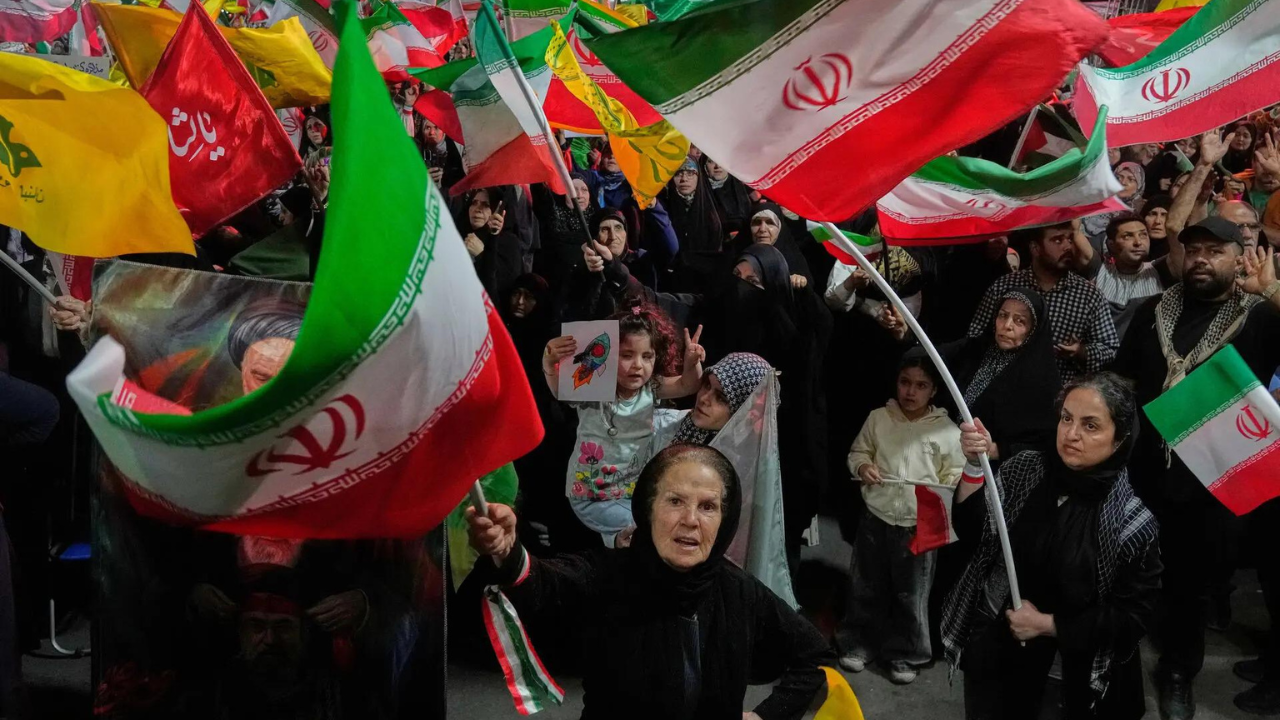
Iran is setting its sights on the Red Sea, a crucial maritime chokepoint that connects Europe and Asia through the Suez Canal. This move has significant implications for global trade and security.
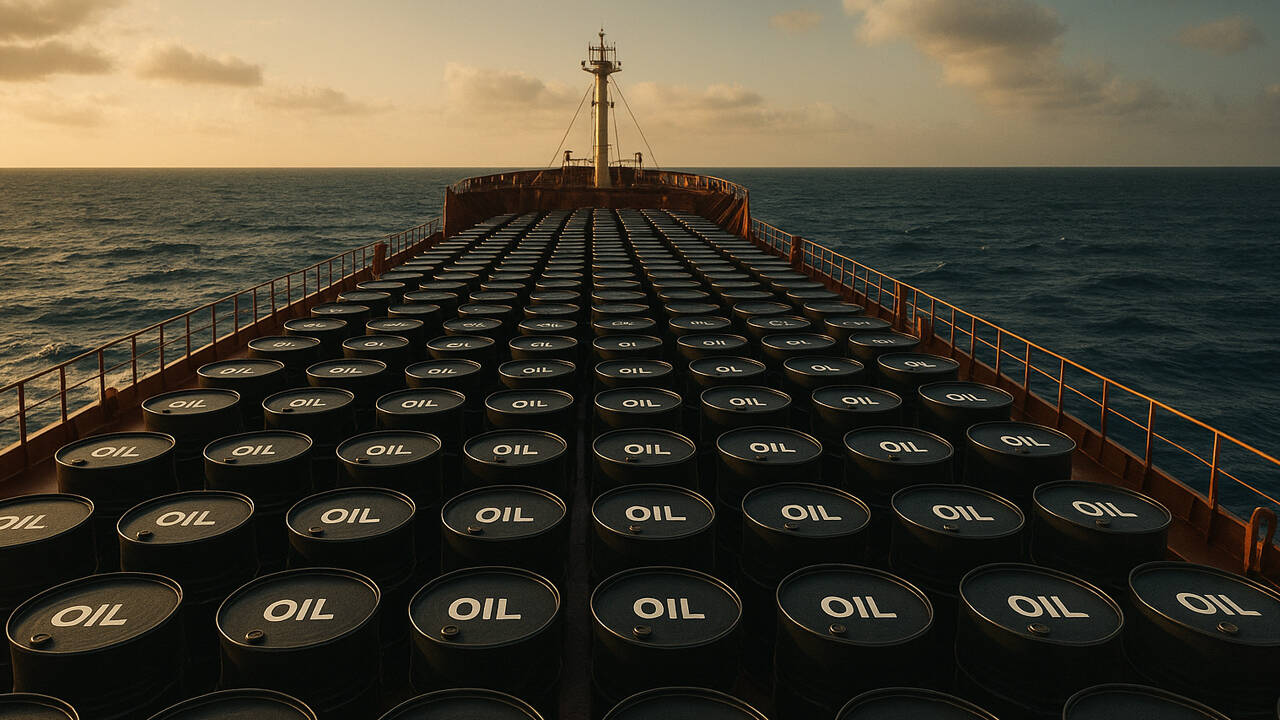
The Red Sea is a vital waterway, with millions of barrels of oil and other essential goods passing through it every day. Iran's interest in controlling this region is driven by its desire to expand its influence and secure its economic interests.
Iran has been actively engaging with countries in the region, including Sudan and Eritrea, to establish a foothold in the Red Sea. This includes investing in port infrastructure and establishing military bases.
The implications of Iran's move are far-reaching. Control of the Red Sea would give Iran significant leverage over global trade, allowing it to disrupt the flow of goods and oil to Europe and Asia. This could have a major impact on the global economy, particularly for countries that rely heavily on imports.
The Red Sea is also a critical component of the Belt and Road Initiative, China's massive infrastructure project that aims to connect Europe and Asia. Iran's control of the Red Sea could potentially give it a significant advantage in terms of trade and economic influence.
The international community is watching Iran's moves in the Red Sea with concern. The United States and its allies have long been wary of Iran's expansionist ambitions, and this latest development is likely to exacerbate tensions.
In terms of context, the Red Sea has long been a contested region, with various powers vying for control. The Suez Canal, which connects the Red Sea to the Mediterranean, is one of the busiest shipping lanes in the world.
Iran's move to control the Red Sea is also driven by its desire to counter the influence of its regional rivals, including Saudi Arabia and the United Arab Emirates. These countries have long been concerned about Iran's expansionist ambitions, and this latest development is likely to escalate tensions in the region.
The situation in the Red Sea is complex and multifaceted, with various players and interests at stake. As Iran continues to pursue its ambitions in the region, the international community will be watching closely to see how events unfold.
In conclusion, Iran's bid to control the Red Sea has significant implications for global trade and security. The region is a critical component of the global economy, and any disruption to the flow of goods and oil could have far-reaching consequences. As tensions continue to rise, it remains to be seen how the situation will play out.
For India, the developments in the Red Sea are of particular interest, given the country's reliance on imported oil and goods. Any disruption to the flow of trade through the Red Sea could have a significant impact on the Indian economy, making it essential for the country to monitor the situation closely.
The Indian government has been actively engaging with countries in the region, including the United Arab Emirates and Saudi Arabia, to secure its economic interests. As the situation in the Red Sea continues to evolve, India will need to navigate the complex web of alliances and rivalries to protect its interests.
In the broader context, the developments in the Red Sea are a reminder of the importance of maritime security and the need for countries to work together to protect global trade routes. As the world becomes increasingly interconnected, the security of maritime chokepoints like the Red Sea will become even more critical.
Overall, the situation in the Red Sea is complex and multifaceted, with various players and interests at stake. As Iran continues to pursue its ambitions in the region, the international community will be watching closely to see how events unfold, and India will need to navigate the situation carefully to protect its economic interests.