Mumbai's housing remains India's least affordable despite lower loan rates
Mumbai homebuyers dedicate nearly 70% of their income to mortgage repayments, the highest in India. Despite interest rate cuts, soaring property prices have erased affordability gains for residents.

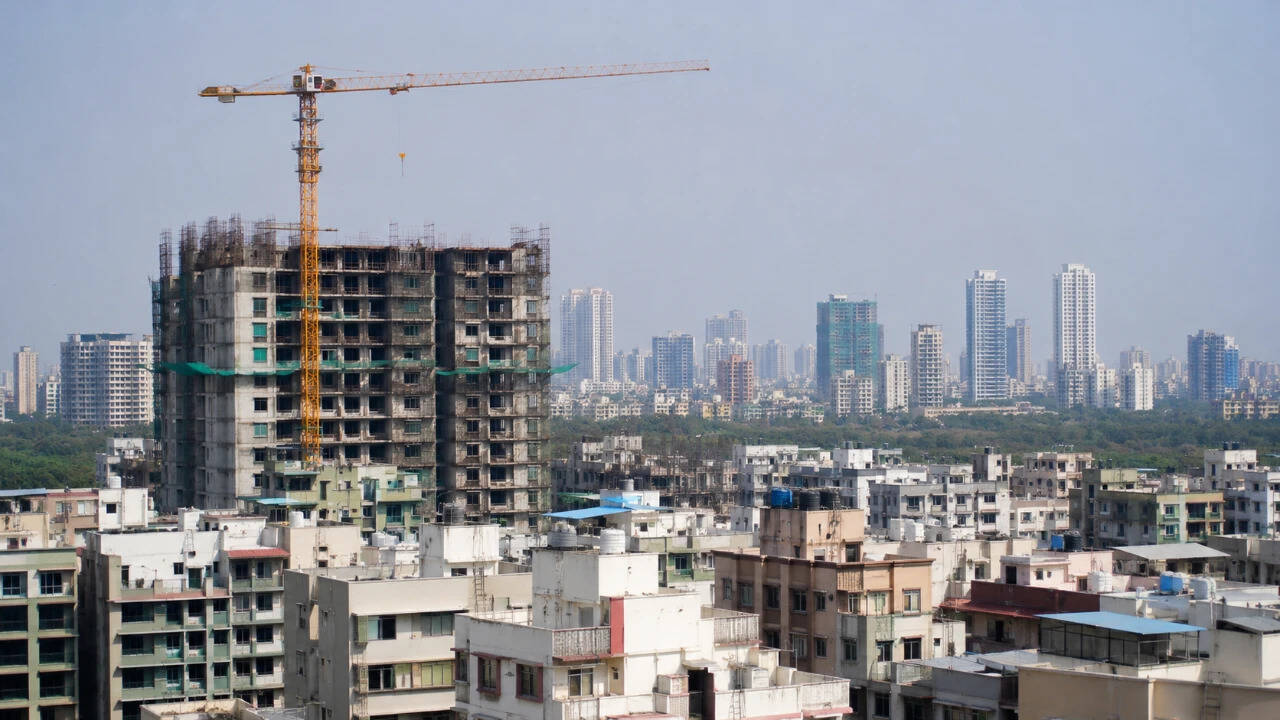
Mumbai's housing market continues to be the most unaffordable in India, with homebuyers forced to allocate nearly 69% of their annual income towards loan repayments. This grim reality persists even as banks have reduced interest rates on home loans, according to a new report by Knight Frank India released this week.
The core issue lies not with borrowing costs, but with property prices themselves. While monetary easing by the Reserve Bank has made loans cheaper, developers and sellers have maintained high property valuations across the Mumbai Metropolitan Region (MMR). This price resilience has effectively cancelled out the benefits homebuyers would typically gain from lower interest rates. The situation underscores a fundamental mismatch between income levels and real estate costs in India's financial capital.
Knight Frank India's analysis reveals that both MMR and the National Capital Region (NCR) continue to exceed the internationally recognized 50% affordability benchmark. This threshold represents the maximum income share that housing finance experts recommend households dedicate to mortgage payments. When this ratio exceeds 50%, it indicates severe affordability stress, leaving limited funds for other essential expenses like healthcare, education, food, and savings.
The disparity becomes clearer when comparing Mumbai with other major Indian cities. Metropolitan areas including Bangalore, Hyderabad, and Pune have demonstrated improved housing affordability metrics over recent quarters. These cities have benefited from either stagnant property prices or income growth outpacing real estate appreciation. In contrast, Mumbai's property market has shown remarkable price stability at elevated levels, preventing meaningful affordability improvements despite the RBI's accommodative monetary policy stance.
For Mumbai residents, the implications are severe. Middle-income families find homeownership increasingly out of reach, forcing them to either delay purchase decisions, relocate to distant suburbs with longer commutes, or explore alternative housing schemes offered by the government. Young professionals and first-time homebuyers face particular hardship, as lending institutions maintain stricter eligibility criteria despite lower rates.
The situation reflects broader challenges in Mumbai's real estate ecosystem. Land scarcity, high construction costs, regulatory compliance expenses, and developer margins have created a structural affordability crisis that monetary policy alone cannot resolve. Industry experts suggest structural interventions—such as increased housing supply, reduced property registration costs, and streamlined development approval processes—will be necessary to meaningfully improve housing accessibility for ordinary Mumbaikars.