Sleep Apnoea Puts Heart At Risk
Sleep apnoea affects heart health, know the warning signs
'%3E%3Crect%20width%3D'96'%20height%3D'96'%20fill%3D'%23B3261E'%2F%3E%3Ccircle%20cx%3D'30'%20cy%3D'24'%20r%3D'44'%20fill%3D'%23fff'%20opacity%3D'.12'%2F%3E%3Ccircle%20cx%3D'60'%20cy%3D'74'%20r%3D'40'%20fill%3D'%23000'%20opacity%3D'.10'%2F%3E%3C%2Fg%3E%3Cg%20fill%3D'%23fff'%3E%3Crect%20x%3D'29'%20y%3D'49'%20width%3D'8'%20height%3D'19'%20rx%3D'1'%2F%3E%3Crect%20x%3D'39'%20y%3D'40'%20width%3D'9'%20height%3D'28'%20rx%3D'1'%2F%3E%3Crect%20x%3D'50'%20y%3D'45'%20width%3D'8'%20height%3D'23'%20rx%3D'1'%2F%3E%3Crect%20x%3D'60'%20y%3D'53'%20width%3D'7'%20height%3D'15'%20rx%3D'1'%2F%3E%3Crect%20x%3D'41'%20y%3D'34'%20width%3D'5'%20height%3D'6'%2F%3E%3C%2Fg%3E%3C%2Fsvg%3E)
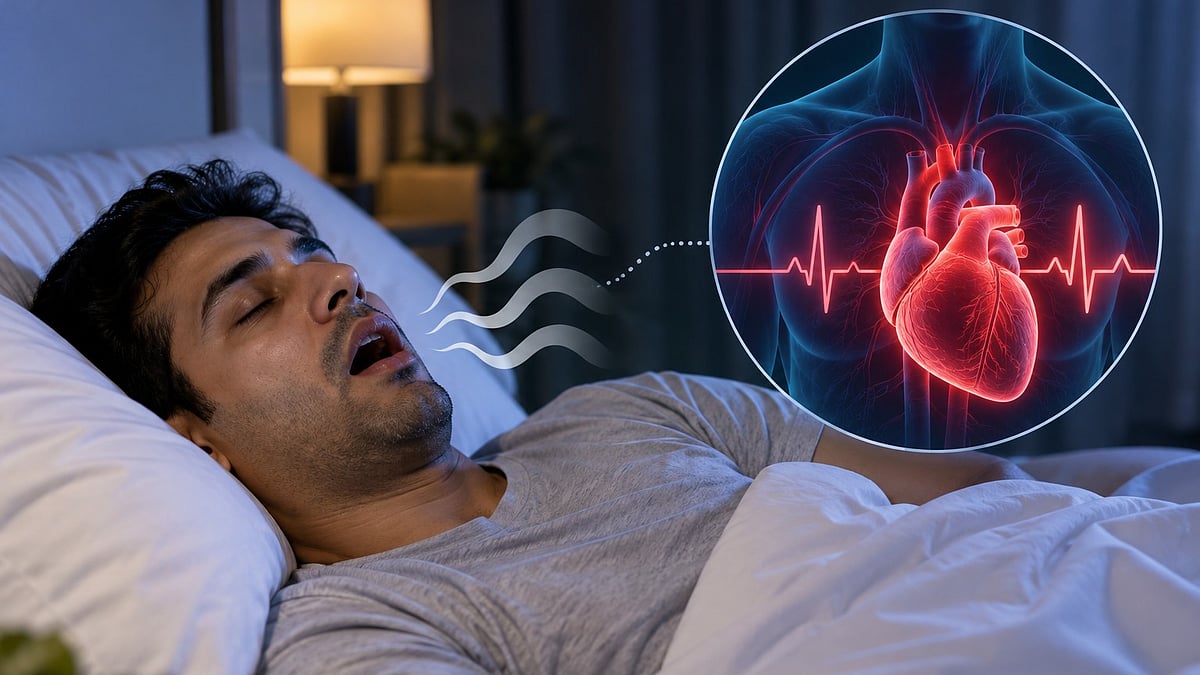
Sleep apnoea is a sleep-related breathing disorder where a person's breathing repeatedly stops and starts during sleep. This condition can have a significant impact on heart health. Dr Janhvi Siroya Shah, an ENT and sleep specialist, explains that the most common type of sleep apnoea is obstructive sleep apnoea (OSA), which occurs when the muscles and soft tissues in the throat relax and temporarily block the airway.
Common warning signs of sleep apnoea include loud, persistent snoring, choking or gasping during sleep, pauses in breathing noticed by others, morning headaches, dry mouth, poor concentration, and excessive daytime sleepiness. The repeated stops in breathing can lower blood oxygen levels and disrupt regular sleep, causing stress on the body all night.
Dr Murarji Ghadge, a senior consultant ENT surgeon and sleep disorder specialist, warns that untreated sleep apnoea can have severe consequences, including excessive daytime sleepiness, morning headaches, poor concentration, mood changes, and fatigue. Over time, untreated sleep apnoea can increase the risk of high blood pressure, heart disease, abnormal heart rhythms, stroke, and metabolic problems.
Sleep apnoea can put constant stress on the heart, causing a temporary rise in heart rate and blood pressure. When these episodes occur repeatedly, the constant fluctuations in oxygen and blood pressure can contribute to inflammation and changes in blood vessels, increasing the chances of persistent hypertension, coronary artery disease, and atrial fibrillation.
Those already suffering from heart disease must be especially observant of sleep apnoea symptoms, such as loud snoring, noticeable pauses in breathing, choking or gasping while sleeping, and too much daytime drowsiness. Sleep apnoea may also increase the risk of developing irregular heart rhythms, commonly known as arrhythmias, and can contribute to a higher risk of heart disease and stroke.
Doctors are more concerned about sleep apnoea among those already suffering from conditions such as high blood pressure, diabetes, obesity, or existing heart conditions. It is essential to identify and treat sleep apnoea earlier to improve sleep quality and long-term heart health.
To manage sleep apnoea, it is crucial to medically evaluate loud snoring, choking, gasping during sleep, or pauses in breathing. Maintaining a healthy weight can also help, as excess weight can increase pressure around the airway.
In conclusion, sleep apnoea is a significant health concern that can have a substantial impact on heart health. It is essential to be aware of the warning signs and take steps to manage the condition to prevent long-term damage to the heart.
Frequently asked questions
What is sleep apnoea?
Sleep apnoea is a sleep-related breathing disorder where a person's breathing repeatedly stops and starts during sleep.
What are the warning signs of sleep apnoea?
Common warning signs include loud, persistent snoring, choking or gasping during sleep, pauses in breathing noticed by others, morning headaches, dry mouth, poor concentration, and excessive daytime sleepiness.