Netanyahu Rebukes UK Over Iran Nuclear Deal
Israel PM criticizes UK, Iran nuclear deal sparks tension
'%3E%3Crect%20width%3D'96'%20height%3D'96'%20fill%3D'%234A235A'%2F%3E%3Ccircle%20cx%3D'30'%20cy%3D'24'%20r%3D'44'%20fill%3D'%23fff'%20opacity%3D'.12'%2F%3E%3Ccircle%20cx%3D'60'%20cy%3D'74'%20r%3D'40'%20fill%3D'%23000'%20opacity%3D'.10'%2F%3E%3C%2Fg%3E%3Cg%20fill%3D'none'%20stroke%3D'%23fff'%20stroke-width%3D'3'%3E%3Ccircle%20cx%3D'48'%20cy%3D'48'%20r%3D'16'%2F%3E%3Cellipse%20cx%3D'48'%20cy%3D'48'%20rx%3D'6.5'%20ry%3D'16'%2F%3E%3Cline%20x1%3D'32'%20y1%3D'42'%20x2%3D'64'%20y2%3D'42'%2F%3E%3Cline%20x1%3D'32'%20y1%3D'54'%20x2%3D'64'%20y2%3D'54'%2F%3E%3C%2Fg%3E%3C%2Fsvg%3E)
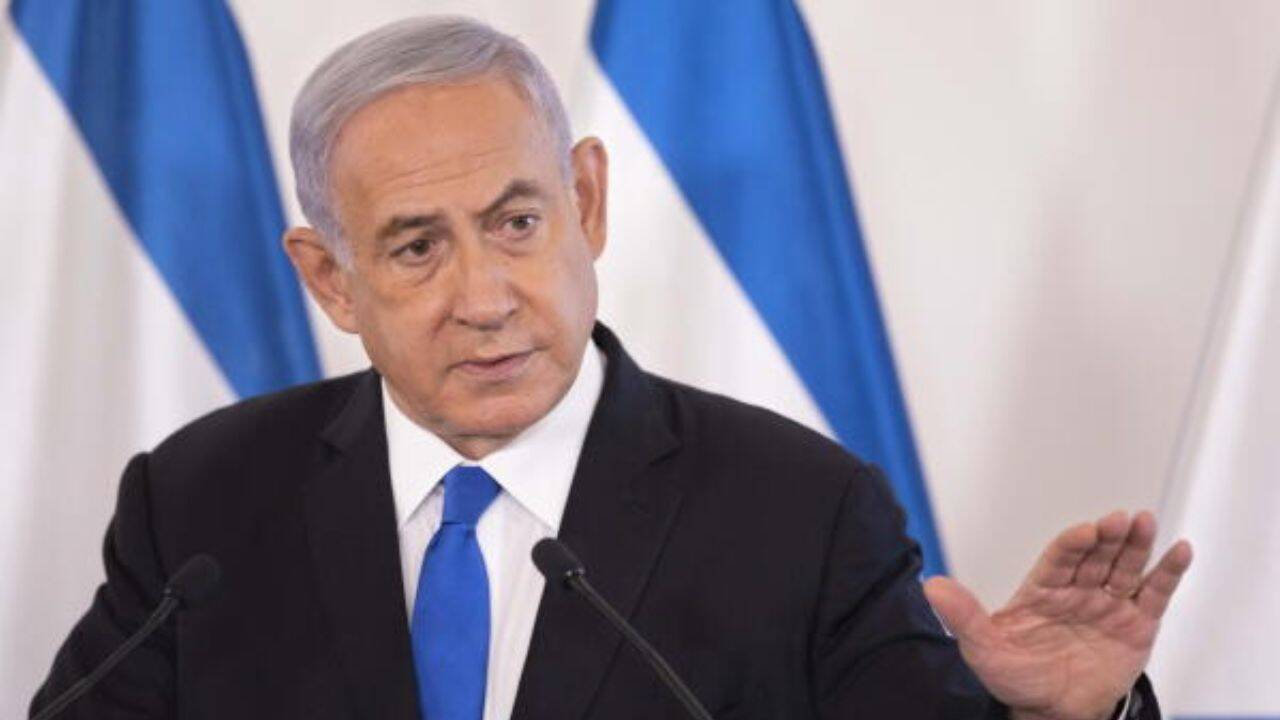
Israeli Prime Minister Benjamin Netanyahu has issued a sharp rebuke to the United Kingdom over its stance on Iran's nuclear program. Netanyahu's comments come as tensions between Israel and Iran continue to escalate.
The Israeli leader criticized the UK for its support of the Iran nuclear deal, which he believes will lead to Iran becoming the first Islamic republic with nuclear weapons. Netanyahu has long been a vocal opponent of the deal, arguing that it does not do enough to prevent Iran from developing nuclear capabilities.
Netanyahu's comments were made in response to the UK's decision to support the Joint Comprehensive Plan of Action (JCPOA), a nuclear agreement between Iran and several world powers. The deal aims to limit Iran's nuclear program in exchange for relief from economic sanctions.
The Israeli government has expressed concerns that the deal does not go far enough in preventing Iran from developing nuclear weapons. Netanyahu has argued that the deal's limitations on Iran's nuclear program are not sufficient and that the country will still be able to develop nuclear capabilities.
The UK has maintained that the JCPOA is the best way to prevent Iran from developing nuclear weapons and has urged all parties to continue to support the deal. The UK's stance on the issue has put it at odds with Israel, which has threatened to take military action against Iran if it believes the country is developing nuclear weapons.
The tensions between Israel and Iran have significant implications for the region and the world. A nuclear-armed Iran would pose a significant threat to Israel and other countries in the region. The international community is watching the situation closely, with many calling for a peaceful resolution to the crisis.
The Iran nuclear deal has been a major point of contention between Israel and the UK. The UK's support of the deal has been seen as a betrayal by Israel, which believes that the deal does not do enough to prevent Iran from developing nuclear capabilities.
In recent years, tensions between Israel and Iran have escalated, with both countries engaging in a series of proxy wars and cyberattacks. The situation has been further complicated by the involvement of other countries in the region, including the United States and Russia.
The international community is urging calm and calling for a peaceful resolution to the crisis. However, with tensions between Israel and Iran continuing to escalate, the situation remains volatile and unpredictable.
The implications of a nuclear-armed Iran are far-reaching and would have significant consequences for the region and the world. It is essential that the international community works together to find a peaceful resolution to the crisis and prevent the development of nuclear weapons in the region.
In conclusion, Netanyahu's sharp rebuke of the UK over its stance on the Iran nuclear deal highlights the deep divisions between Israel and the UK on the issue. The situation remains volatile and unpredictable, with significant implications for the region and the world.
Frequently asked questions
What is the Iran nuclear deal?
The Iran nuclear deal, also known as the Joint Comprehensive Plan of Action (JCPOA), is a nuclear agreement between Iran and several world powers that aims to limit Iran's nuclear program in exchange for relief from economic sanctions.
Why does Israel oppose the Iran nuclear deal?
Israel opposes the Iran nuclear deal because it believes the deal does not do enough to prevent Iran from developing nuclear capabilities and poses a significant threat to Israel's security.