Mumbai at Risk of Permanent Inundation: UN
Mumbai faces risk of permanent flooding, UN warns. City's low elevation and rising sea levels pose threat.
'%3E%3Crect%20width%3D'96'%20height%3D'96'%20fill%3D'%23B3261E'%2F%3E%3Ccircle%20cx%3D'30'%20cy%3D'24'%20r%3D'44'%20fill%3D'%23fff'%20opacity%3D'.12'%2F%3E%3Ccircle%20cx%3D'60'%20cy%3D'74'%20r%3D'40'%20fill%3D'%23000'%20opacity%3D'.10'%2F%3E%3C%2Fg%3E%3Cg%20fill%3D'%23fff'%3E%3Crect%20x%3D'29'%20y%3D'49'%20width%3D'8'%20height%3D'19'%20rx%3D'1'%2F%3E%3Crect%20x%3D'39'%20y%3D'40'%20width%3D'9'%20height%3D'28'%20rx%3D'1'%2F%3E%3Crect%20x%3D'50'%20y%3D'45'%20width%3D'8'%20height%3D'23'%20rx%3D'1'%2F%3E%3Crect%20x%3D'60'%20y%3D'53'%20width%3D'7'%20height%3D'15'%20rx%3D'1'%2F%3E%3Crect%20x%3D'41'%20y%3D'34'%20width%3D'5'%20height%3D'6'%2F%3E%3C%2Fg%3E%3C%2Fsvg%3E)
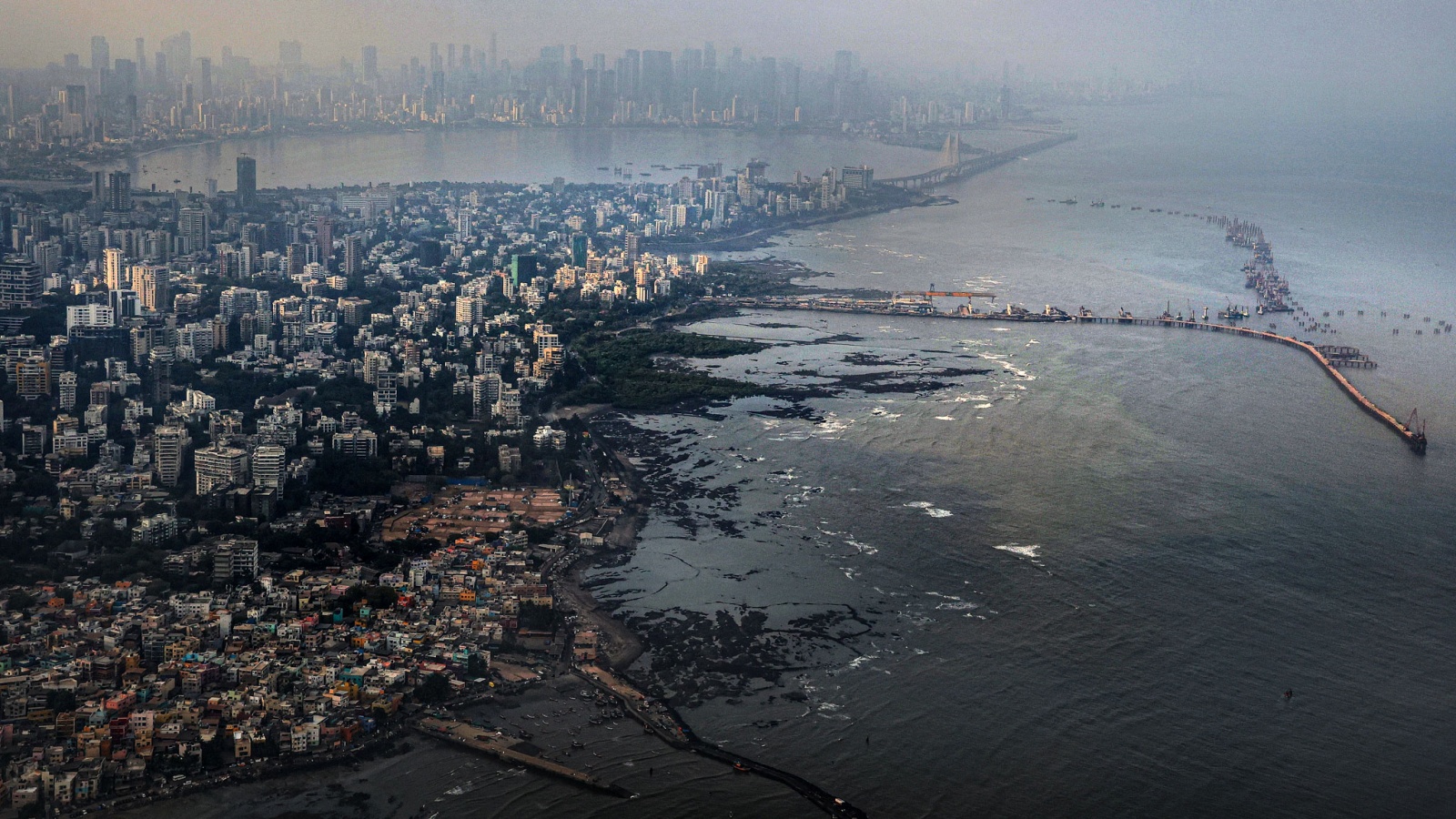
Mumbai, the financial capital of India, is at risk of permanent inundation due to its low elevation and rising sea levels, according to a recent report by the United Nations. The city's average elevation is just 11 meters above sea level, making it one of the most vulnerable cities in the world to flooding.
The UN report highlights the dangers of climate change and its impact on coastal cities like Mumbai. Rising sea levels, increased rainfall, and storm surges are all contributing factors to the city's flood risk. The report warns that if no action is taken, Mumbai could face permanent inundation, displacing millions of people and causing significant economic damage.
Mumbai has already experienced severe flooding in recent years, with the city's drainage system often unable to cope with heavy rainfall. The city's rapid urbanization and lack of effective flood management measures have exacerbated the problem. The BMC has implemented some measures to mitigate the flood risk, including the construction of sea walls and flood gates, but more needs to be done to protect the city.
The UN report is not the first to highlight the risks faced by Mumbai. Previous studies have also warned of the city's vulnerability to flooding and the need for urgent action to protect it. The Indian government has acknowledged the risks and has launched initiatives to improve flood management and protect coastal cities like Mumbai.
The consequences of inaction would be severe, with millions of people displaced and significant economic damage. The city's economy, which is heavily reliant on the financial and service sectors, would be severely impacted. The report emphasizes the need for urgent action to protect Mumbai and other coastal cities from the impacts of climate change.
The city's residents are already feeling the effects of flooding, with many areas experiencing regular waterlogging and flooding during the monsoon season. The situation is likely to worsen in the coming years, with sea levels projected to rise by up to 1 meter by 2050.
In conclusion, the UN report highlights the urgent need for action to protect Mumbai from the risks of permanent inundation. The city's low elevation and rising sea levels pose a significant threat, and it is essential that the government and other stakeholders take immediate action to mitigate this risk.
The report's findings are a wake-up call for the city's residents and policymakers, emphasizing the need for a coordinated and sustained effort to protect Mumbai from the impacts of climate change. The city's future depends on it, and it is essential that we take action now to prevent a catastrophe.
Mumbai is not alone in facing this risk, with many other coastal cities around the world also vulnerable to flooding. However, the city's unique combination of low elevation, rapid urbanization, and lack of effective flood management measures make it one of the most at-risk cities in the world.
The Indian government and the BMC must work together to implement effective flood management measures and protect the city from the impacts of climate change. This includes investing in sea walls, flood gates, and other infrastructure, as well as implementing policies to reduce the city's carbon footprint and mitigate the effects of climate change.
The fate of Mumbai hangs in the balance, and it is essential that we take action now to prevent a disaster. The city's residents, policymakers, and stakeholders must work together to protect Mumbai and ensure its future as a thriving and sustainable city.
Frequently asked questions
What is the average elevation of Mumbai above sea level?
The average elevation of Mumbai is just 11 meters above sea level.
What are the main factors contributing to Mumbai's flood risk?
Rising sea levels, increased rainfall, and storm surges are all contributing factors to the city's flood risk.