Bird Flies 10,000km in 42 Days
A GPS-tracked bird reveals migration secrets. Find out more.
'%3E%3Crect%20width%3D'96'%20height%3D'96'%20fill%3D'%23B3261E'%2F%3E%3Ccircle%20cx%3D'30'%20cy%3D'24'%20r%3D'44'%20fill%3D'%23fff'%20opacity%3D'.12'%2F%3E%3Ccircle%20cx%3D'60'%20cy%3D'74'%20r%3D'40'%20fill%3D'%23000'%20opacity%3D'.10'%2F%3E%3C%2Fg%3E%3Cg%20fill%3D'%23fff'%3E%3Crect%20x%3D'29'%20y%3D'49'%20width%3D'8'%20height%3D'19'%20rx%3D'1'%2F%3E%3Crect%20x%3D'39'%20y%3D'40'%20width%3D'9'%20height%3D'28'%20rx%3D'1'%2F%3E%3Crect%20x%3D'50'%20y%3D'45'%20width%3D'8'%20height%3D'23'%20rx%3D'1'%2F%3E%3Crect%20x%3D'60'%20y%3D'53'%20width%3D'7'%20height%3D'15'%20rx%3D'1'%2F%3E%3Crect%20x%3D'41'%20y%3D'34'%20width%3D'5'%20height%3D'6'%2F%3E%3C%2Fg%3E%3C%2Fsvg%3E)
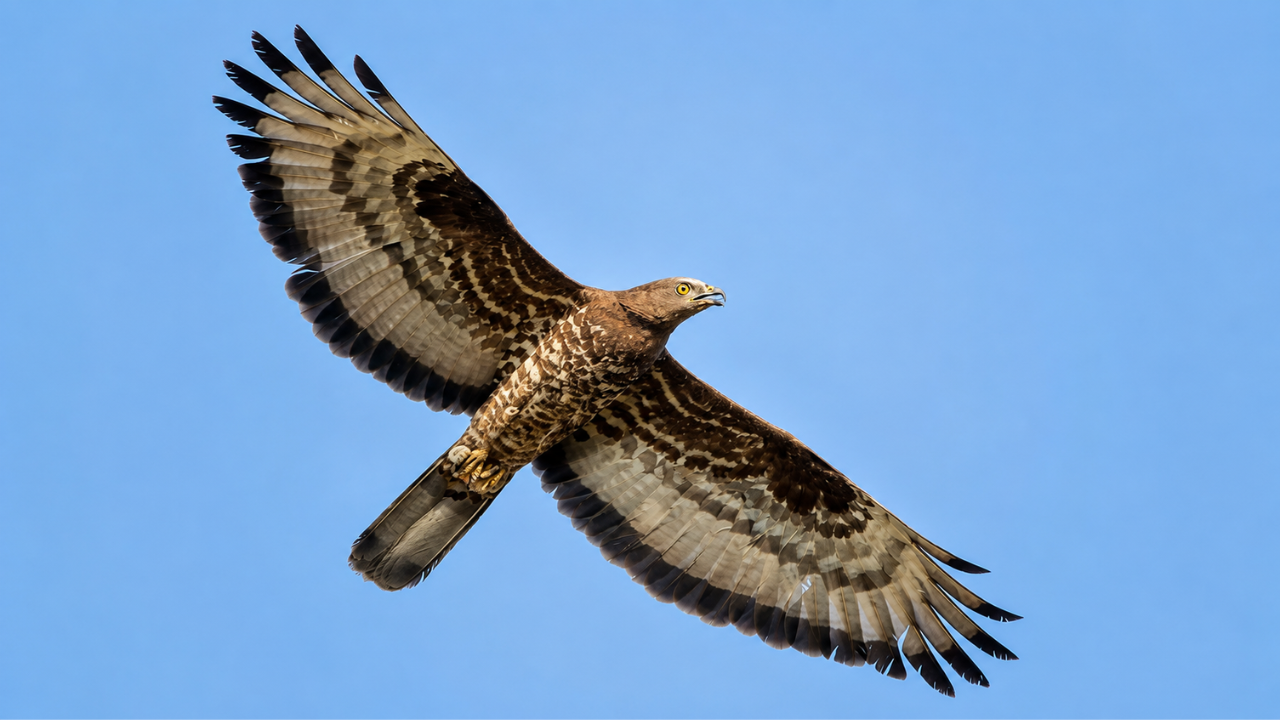
A remarkable journey of a bird has been tracked using GPS technology, covering an astonishing 10,000 kilometers in just 42 days. This incredible feat has provided valuable insights into the migration patterns of birds.
The bird, equipped with a GPS tracking device, was able to fly at an average speed of approximately 238 kilometers per day. This remarkable endurance has left scientists and researchers in awe, as they attempt to understand the secrets behind such a long and arduous journey.
The data collected from the GPS device has revealed a wealth of information about the bird's migration route, including its stopovers, feeding grounds, and breeding habitats. This information will be crucial in helping conservationists and researchers to better understand and protect the bird's habitat and migration patterns.
Bird migration has long been a fascinating topic of study, with many species undertaking epic journeys each year. The use of GPS tracking technology has revolutionized the field of ornithology, allowing researchers to gain a deeper understanding of the behavior and habits of birds.
The study of bird migration is not only important for conservation efforts but also provides valuable insights into the ecology and biology of birds. By understanding the migration patterns and habits of birds, researchers can gain a better understanding of the impact of climate change, habitat destruction, and other environmental factors on bird populations.
The journey of this GPS-tracked bird is a testament to the incredible endurance and navigational abilities of birds. As researchers continue to study and analyze the data collected from this journey, they hope to gain a deeper understanding of the secrets behind bird migration and how to better protect these incredible creatures.
The discovery of this bird's migration pattern has significant implications for conservation efforts, as it highlights the importance of protecting key habitats and stopover points along the migration route. By working together to protect these areas, researchers and conservationists can help to ensure the long-term survival of bird species and the preservation of their migration patterns.
In conclusion, the journey of this GPS-tracked bird has provided a unique insight into the migration patterns of birds, highlighting the importance of conservation efforts and the need to protect key habitats and stopover points. As researchers continue to study and analyze the data collected from this journey, they hope to gain a deeper understanding of the secrets behind bird migration and how to better protect these incredible creatures.
The study of bird migration is an ongoing field of research, with many questions still to be answered. However, with the help of GPS tracking technology and the dedication of researchers and conservationists, we can continue to learn more about these incredible creatures and work towards their protection and conservation.
The findings of this study will be used to inform conservation efforts and to raise awareness about the importance of protecting bird habitats and migration patterns. By working together, we can help to ensure the long-term survival of bird species and the preservation of their migration patterns.
In the future, researchers hope to use GPS tracking technology to study the migration patterns of other bird species, gaining a deeper understanding of their behavior and habits. This will be crucial in helping to protect and conserve these incredible creatures, and to preserve the natural beauty and wonder of the world around us.
The journey of this GPS-tracked bird is a remarkable example of the incredible feats that birds are capable of, and highlights the importance of continued research and conservation efforts to protect these incredible creatures.