Japan's Youngest Female Mayor Takes Maternity Leave
Shoko Kawata, 33, becomes first sitting mayor to take maternity leave. She sparks criticism and international attention.
'%3E%3Crect%20width%3D'96'%20height%3D'96'%20fill%3D'%23B3261E'%2F%3E%3Ccircle%20cx%3D'30'%20cy%3D'24'%20r%3D'44'%20fill%3D'%23fff'%20opacity%3D'.12'%2F%3E%3Ccircle%20cx%3D'60'%20cy%3D'74'%20r%3D'40'%20fill%3D'%23000'%20opacity%3D'.10'%2F%3E%3C%2Fg%3E%3Cg%20fill%3D'%23fff'%3E%3Crect%20x%3D'29'%20y%3D'49'%20width%3D'8'%20height%3D'19'%20rx%3D'1'%2F%3E%3Crect%20x%3D'39'%20y%3D'40'%20width%3D'9'%20height%3D'28'%20rx%3D'1'%2F%3E%3Crect%20x%3D'50'%20y%3D'45'%20width%3D'8'%20height%3D'23'%20rx%3D'1'%2F%3E%3Crect%20x%3D'60'%20y%3D'53'%20width%3D'7'%20height%3D'15'%20rx%3D'1'%2F%3E%3Crect%20x%3D'41'%20y%3D'34'%20width%3D'5'%20height%3D'6'%2F%3E%3C%2Fg%3E%3C%2Fsvg%3E)
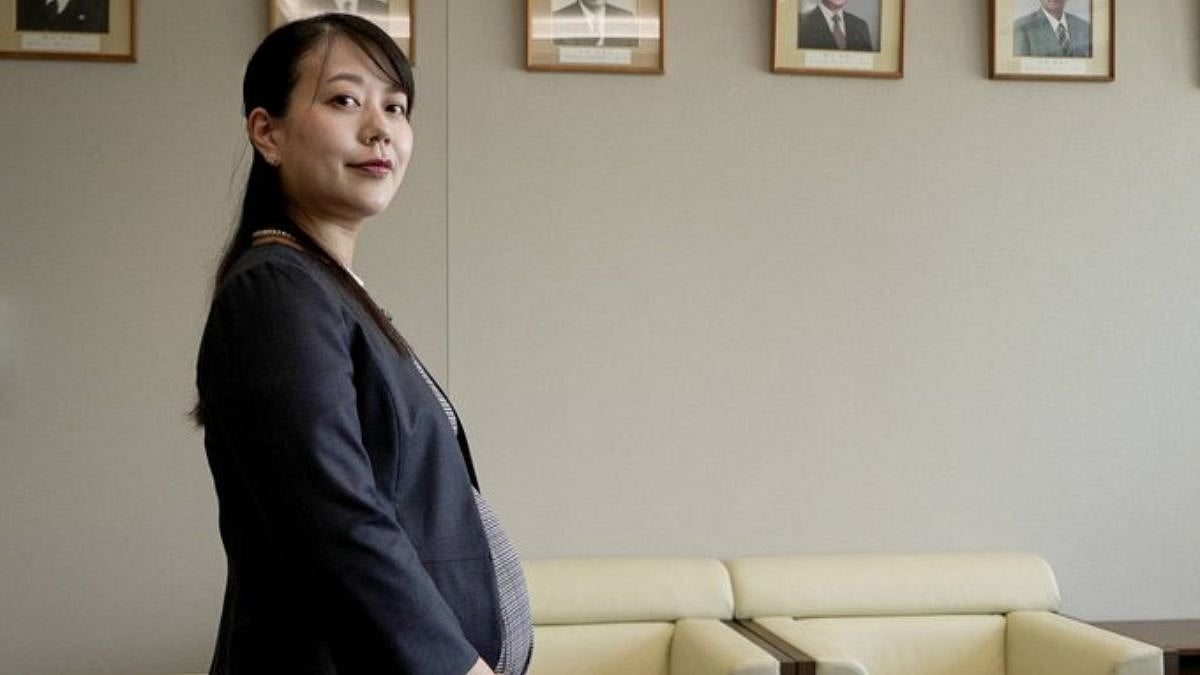
Shoko Kawata, the mayor of Yawata, a city in western Japan, has become the first sitting mayor in the country to take maternity leave. Kawata, who is 33 years old and Japan's youngest female mayor, announced that she would be taking leave to care for her newborn baby, due in September.
Kawata had to establish a framework for her maternity leave herself, as no such provision existed for the mayor's office. Although Yawata city employees are entitled to 16 weeks of maternity leave, the mayor's office did not have a similar policy in place. Kawata said she was surprised to learn that she was the first mayor to take maternity leave, highlighting the lack of young women in leadership positions in Japan.
The move has sparked criticism from some quarters, with some people suggesting that Kawata is not doing her job and is only taking maternity leave. However, Kawata has received strong support from local residents and encouragement from colleagues to take the leave. She has also drawn international media attention, with many praising her decision to prioritize her family and challenge traditional gender norms.
Japan's gender imbalance remains a significant issue, particularly in politics. The country ranked 118th among 148 countries in the World Economic Forum's latest Gender Gap Report, and 125th in political empowerment. Kawata said that there is still considerable scope for reform, particularly as Japan struggles with one of the world's lowest birth rates.
Under Japanese law, women are entitled to around 14 weeks of maternity leave and generally receive about two-thirds of their wages, along with a birth bonus. However, Kawata will continue to receive her full salary during her leave, which has raised some questions among residents. Most Yawata residents interviewed by Reuters backed Kawata's decision, but some questioned her continuing to receive her full salary.
Kawata's decision to take maternity leave is seen as a significant step towards challenging traditional gender norms in Japan. She said that people need to build a society in which individuals, including those in leadership roles, do not hesitate to have children. Otherwise, she believes that the country's population decline and economic deterioration are inevitable.
The move has also sparked calls for greater reform in Japan, particularly in the area of work-style reform and gender equality. Kawata's decision to take maternity leave has highlighted the need for more supportive policies and frameworks for working mothers, particularly in leadership positions.
In conclusion, Shoko Kawata's decision to take maternity leave as the mayor of Yawata is a significant step towards challenging traditional gender norms in Japan. While the move has sparked criticism from some quarters, it has also drawn international media attention and praise for her decision to prioritize her family. The move highlights the need for greater reform in Japan, particularly in the area of work-style reform and gender equality.
Kawata's baby is due in September, and she is expected to return to work after her maternity leave. Her decision to take leave has sparked a national conversation about gender equality and work-style reform in Japan, and it remains to be seen how the country will respond to the challenges posed by its low birth rate and aging population.
The international community is watching Kawata's move with interest, as it highlights the challenges faced by working mothers in leadership positions around the world. Kawata's decision to take maternity leave is seen as a significant step towards challenging traditional gender norms and promoting greater equality and support for working mothers.
In the end, Kawata's decision to take maternity leave is a personal one, but it has significant implications for Japan and the world. It highlights the need for greater reform and support for working mothers, particularly in leadership positions, and challenges traditional gender norms that have held women back for too long.
Frequently asked questions
How long is Shoko Kawata's maternity leave?
The length of Kawata's maternity leave is not specified, but Yawata city employees are entitled to 16 weeks of maternity leave.
Will Kawata continue to receive her salary during her leave?
Yes, Kawata will continue to receive her full salary during her leave.