Mexico Reintroduces 47 American Bison
Bison return to Mexico after 160 years, aiding ecosystem recovery.
'%3E%3Crect%20width%3D'96'%20height%3D'96'%20fill%3D'%23B3261E'%2F%3E%3Ccircle%20cx%3D'30'%20cy%3D'24'%20r%3D'44'%20fill%3D'%23fff'%20opacity%3D'.12'%2F%3E%3Ccircle%20cx%3D'60'%20cy%3D'74'%20r%3D'40'%20fill%3D'%23000'%20opacity%3D'.10'%2F%3E%3C%2Fg%3E%3Cg%20fill%3D'%23fff'%3E%3Crect%20x%3D'29'%20y%3D'49'%20width%3D'8'%20height%3D'19'%20rx%3D'1'%2F%3E%3Crect%20x%3D'39'%20y%3D'40'%20width%3D'9'%20height%3D'28'%20rx%3D'1'%2F%3E%3Crect%20x%3D'50'%20y%3D'45'%20width%3D'8'%20height%3D'23'%20rx%3D'1'%2F%3E%3Crect%20x%3D'60'%20y%3D'53'%20width%3D'7'%20height%3D'15'%20rx%3D'1'%2F%3E%3Crect%20x%3D'41'%20y%3D'34'%20width%3D'5'%20height%3D'6'%2F%3E%3C%2Fg%3E%3C%2Fsvg%3E)
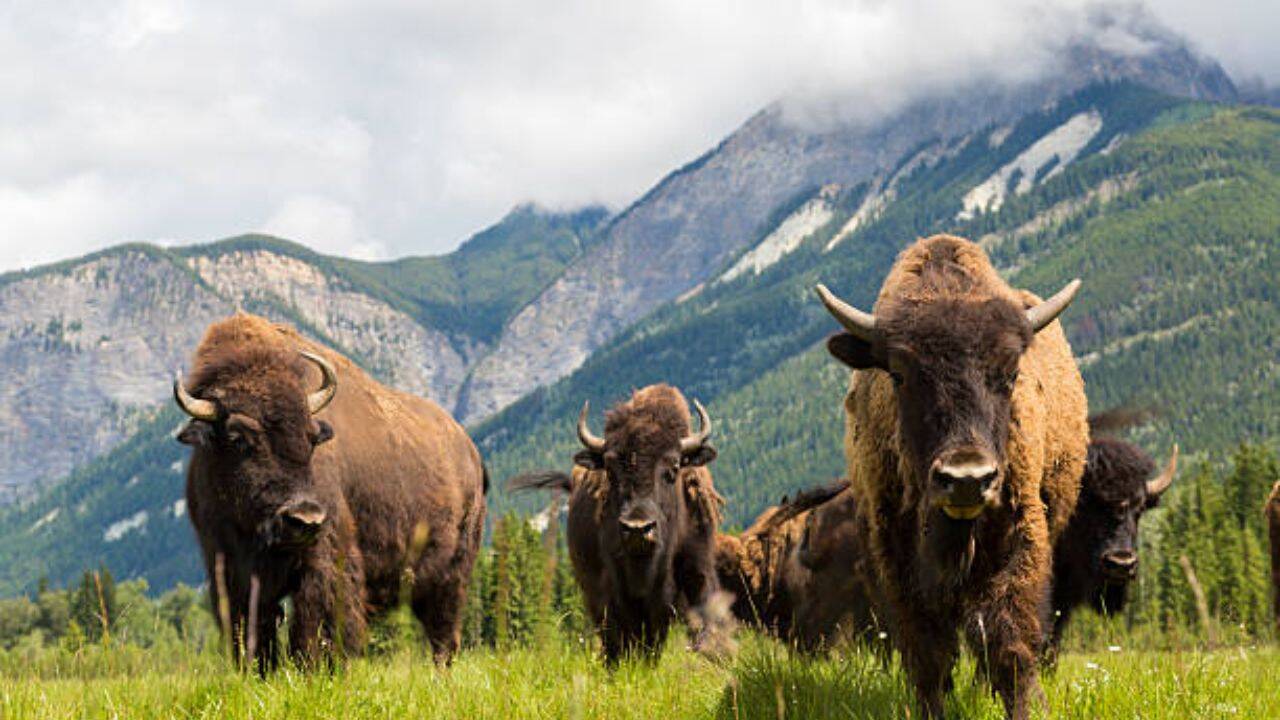
Mexico has successfully reintroduced 47 American bison to Coahuila, marking a significant milestone in the region's ecosystem recovery. The bison, which had been absent for 160 years, play a crucial role in rejuvenating worn-out landscapes and enhancing soil quality. Their presence also promotes water absorption in the dry terrain, making them a vital component of the ecosystem.
The reintroduction of the bison is part of a wider initiative aimed at restoring vital species throughout North America. The return of these majestic animals has also facilitated the resurgence of native predators and other wildlife, highlighting the importance of conservation efforts.
The American bison is an ecosystem engineer, meaning it actively modifies its environment to create a more diverse and resilient ecosystem. By doing so, it creates habitats for other species and promotes biodiversity. The reintroduction of the bison to Coahuila is a significant step towards restoring the region's ecosystem and promoting ecological balance.
The project has been made possible through the collaboration of conservationists, scientists, and local communities. The team has been working tirelessly to ensure the successful reintroduction of the bison and to monitor their progress. The results so far have been promising, with the bison adapting well to their new environment.
The reintroduction of the bison to Coahuila is not only a significant conservation achievement but also a testament to the power of collaborative efforts. It highlights the importance of working together to protect and restore ecosystems, and the potential for positive impact when conservation efforts are made.
The return of the American bison to Mexico is a remarkable story of recovery and restoration. It serves as a reminder of the importance of conservation and the need to protect and preserve ecosystems. The project is a significant step towards promoting ecological balance and biodiversity in the region, and its success will have a lasting impact on the environment.
In the context of North America, the reintroduction of the bison is part of a larger effort to restore vital species and ecosystems. The project has implications for the entire region, highlighting the importance of conservation and the need for collaborative efforts to protect and preserve ecosystems.
The successful reintroduction of the American bison to Coahuila, Mexico, is a significant achievement, marking a major milestone in the region's ecosystem recovery. The project serves as a model for conservation efforts, demonstrating the potential for positive impact when collaborative efforts are made to protect and restore ecosystems.
The recovery of the ecosystem in Coahuila is a slow process, but the reintroduction of the bison is a significant step towards achieving ecological balance. The project highlights the importance of conservation and the need to protect and preserve ecosystems, serving as a reminder of the potential for positive impact when collaborative efforts are made.
In conclusion, the reintroduction of the American bison to Coahuila, Mexico, is a remarkable story of recovery and restoration. It serves as a testament to the power of collaborative efforts and the importance of conservation, highlighting the need to protect and preserve ecosystems. The project is a significant step towards promoting ecological balance and biodiversity in the region, and its success will have a lasting impact on the environment.
Frequently asked questions
What is the significance of the American bison in the ecosystem?
The American bison is an ecosystem engineer, actively modifying its environment to create a more diverse and resilient ecosystem.
Why is the reintroduction of the bison to Coahuila important?
The reintroduction of the bison is part of a wider initiative aimed at restoring vital species throughout North America, promoting ecological balance and biodiversity.