Rats Disrupt Coral Reef Ecosystems
Invasive rats alter reef food chains, seabirds decline
'%3E%3Crect%20width%3D'96'%20height%3D'96'%20fill%3D'%231B5E20'%2F%3E%3Ccircle%20cx%3D'30'%20cy%3D'24'%20r%3D'44'%20fill%3D'%23fff'%20opacity%3D'.12'%2F%3E%3Ccircle%20cx%3D'60'%20cy%3D'74'%20r%3D'40'%20fill%3D'%23000'%20opacity%3D'.10'%2F%3E%3C%2Fg%3E%3Cg%3E%3Ccircle%20cx%3D'48'%20cy%3D'48'%20r%3D'15'%20fill%3D'%23fff'%2F%3E%3Cpath%20d%3D'M43%2034%20Q50%2048%2043%2062'%20fill%3D'none'%20stroke%3D'%238a94a6'%20stroke-width%3D'2.4'%2F%3E%3Cpath%20d%3D'M47%2033%20Q54%2048%2047%2063'%20fill%3D'none'%20stroke%3D'%238a94a6'%20stroke-width%3D'1.8'%20stroke-dasharray%3D'1.5%203'%2F%3E%3C%2Fg%3E%3C%2Fsvg%3E)
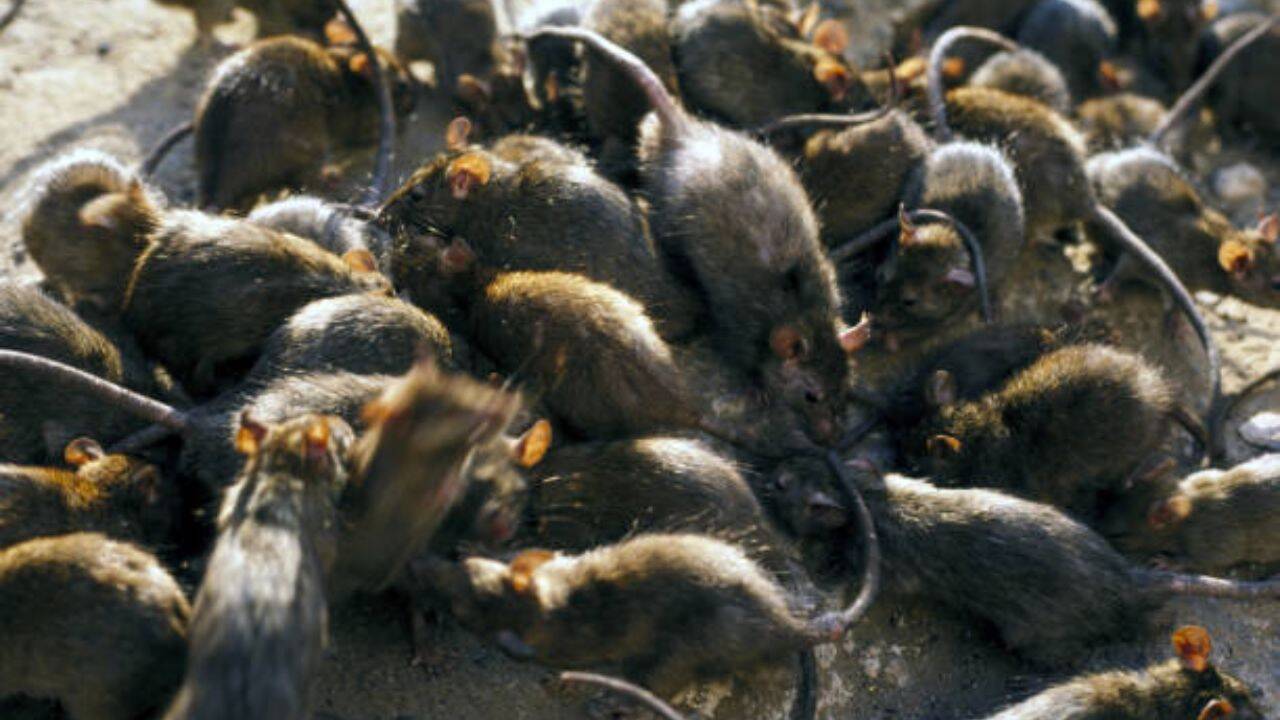
A surprising ecological shift is occurring in tropical islands as invasive rats disrupt the balance of coral reef ecosystems. The rats are driving out seabirds, which are essential to the reefs as they provide nutrients through their droppings. With the seabirds gone, the reefs are experiencing a decline in nutrient contributions, leading to a change in the food web.
In areas with high nutrient levels, tiny cryptobenthic fish are thriving, while invertebrates are finding success in less fertile regions. This shift highlights the vulnerable nature of coral reef ecosystems and the significant impact that invasive species can have on these delicate habitats.
Coral reefs are some of the most diverse ecosystems on the planet, providing a home for a vast array of marine life. However, they are facing numerous threats, including climate change, overfishing, and pollution. The addition of invasive rats to this list of threats is a significant concern, as it can have far-reaching consequences for the entire ecosystem.
The decline of seabirds is a key factor in this ecological shift. Seabirds play a crucial role in maintaining the health of coral reefs, and their loss can have a ripple effect throughout the entire ecosystem. As the rats continue to drive out the seabirds, the reefs are likely to experience further changes, potentially leading to a decline in biodiversity and ecosystem function.
The impact of invasive rats on coral reef ecosystems is not limited to the loss of seabirds. The rats can also directly affect the reefs by consuming algae and other marine life, leading to a decline in water quality and ecosystem health. Additionally, the rats can introduce new diseases to the ecosystem, which can have devastating effects on marine life.
The conservation of coral reef ecosystems is essential, and addressing the issue of invasive rats is a critical step in this process. Efforts to control the rat population and protect seabird habitats can help to mitigate the impact of these invasive species and preserve the delicate balance of the ecosystem.
In conclusion, the disruption of coral reef ecosystems by invasive rats is a significant concern, highlighting the vulnerable nature of these ecosystems and the need for conservation efforts. The loss of seabirds and the subsequent changes to the food web can have far-reaching consequences, and addressing this issue is essential to preserving the health and biodiversity of coral reef ecosystems.
Frequently asked questions
What is the impact of invasive rats on coral reef ecosystems?
Invasive rats can drive out seabirds, leading to a decline in nutrient contributions and altering the food web.
Why are seabirds important to coral reef ecosystems?
Seabirds provide essential nutrients to the reefs through their droppings, maintaining the health of the ecosystem.