Junior IAS Officers Posted In Large Madhya Pradesh Districts
Junior IAS officers take charge of large districts, seniors posted to small ones.
'%3E%3Crect%20width%3D'96'%20height%3D'96'%20fill%3D'%231A5276'%2F%3E%3Ccircle%20cx%3D'30'%20cy%3D'24'%20r%3D'44'%20fill%3D'%23fff'%20opacity%3D'.12'%2F%3E%3Ccircle%20cx%3D'60'%20cy%3D'74'%20r%3D'40'%20fill%3D'%23000'%20opacity%3D'.10'%2F%3E%3C%2Fg%3E%3Cg%20fill%3D'%23fff'%3E%3Cpath%20d%3D'M31%2041%20L48%2031%20L65%2041%20Z'%2F%3E%3Crect%20x%3D'33'%20y%3D'43'%20width%3D'4'%20height%3D'17'%2F%3E%3Crect%20x%3D'41'%20y%3D'43'%20width%3D'4'%20height%3D'17'%2F%3E%3Crect%20x%3D'51'%20y%3D'43'%20width%3D'4'%20height%3D'17'%2F%3E%3Crect%20x%3D'59'%20y%3D'43'%20width%3D'4'%20height%3D'17'%2F%3E%3Crect%20x%3D'30'%20y%3D'62'%20width%3D'36'%20height%3D'4'%20rx%3D'1'%2F%3E%3C%2Fg%3E%3C%2Fsvg%3E)
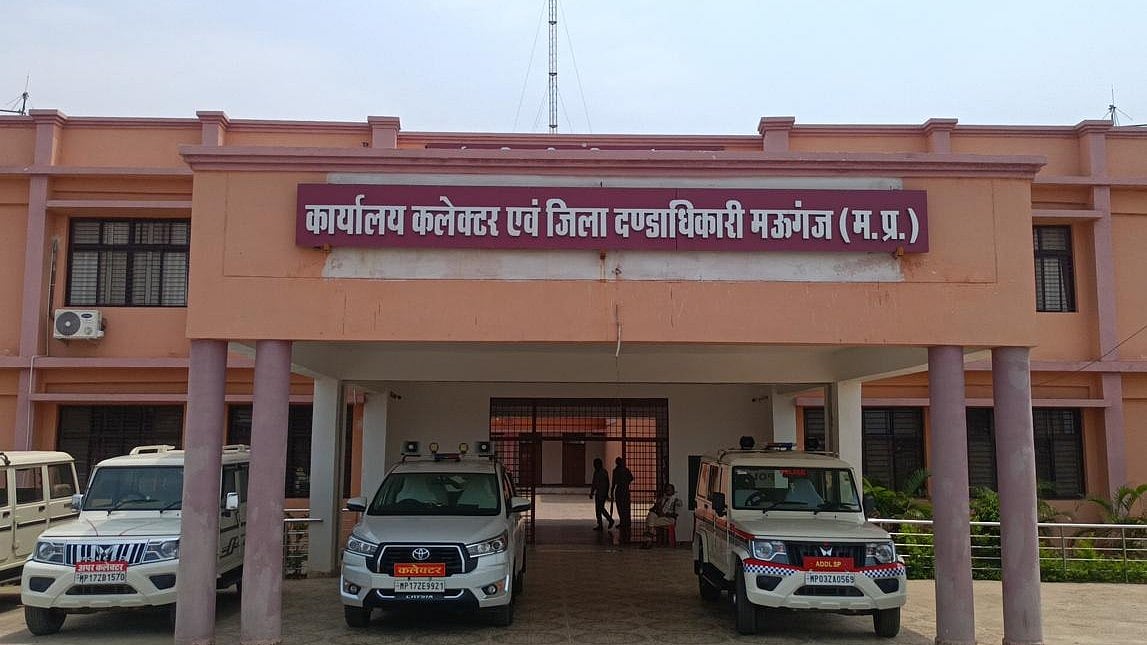
In a surprising move, the Madhya Pradesh government has posted junior IAS officers to large districts, while their senior counterparts have been assigned to smaller districts. This decision marks a departure from the traditional practice of posting senior officers to major districts.
The recent postings include 2013-batch officers Shivam Verma, Priyank Mishra, and Raghvendra Singh, who have been assigned to Indore, Bhopal, and Jabalpur, respectively. These districts are among the largest in the state and are typically headed by senior IAS officers.
On the other hand, senior officers from the 2011 and 2012 batches have been posted to smaller districts. For example, 2011-batch officer Ruchika Chauhan has been posted to Gwalior, while 2012-batch officers Ajay Katseria, Rajeev Ranjan Meena, and Pratibha Pal have been assigned to Ratlam, Dhar, and Sagar, respectively.
According to administration experts, factors other than seniority now play a significant role in determining the posting of collectors. If the government favors an officer, they may be posted to a major district regardless of their seniority. This approach is a departure from the traditional practice, where an officer's batch and seniority were the primary considerations for postings.
The Madhya Pradesh government's decision to post junior officers to large districts may be an attempt to bring in fresh perspectives and ideas to these key areas. However, it also raises questions about the role of seniority in determining postings and whether this new approach will have any impact on the administration of the state.
The posting of collectors is a critical aspect of the state's administration, as these officers are responsible for overseeing the implementation of government policies and programs at the district level. The government's decision to shake up the traditional posting system may have significant implications for the state's governance and administration.
In recent years, the Madhya Pradesh government has been working to improve the state's administration and governance. The posting of junior officers to large districts may be seen as part of this effort, as it allows for the injection of new ideas and perspectives into the state's administration.
Overall, the Madhya Pradesh government's decision to post junior IAS officers to large districts is a significant development that may have far-reaching implications for the state's governance and administration. As the state continues to evolve and grow, it will be interesting to see how this new approach to postings plays out and what impact it has on the state's development.
The move is likely to be closely watched by administration experts and officials, who will be keen to see how the junior officers perform in their new roles and whether the government's approach to postings yields positive results.
The decision may also lead to a re-evaluation of the traditional posting system, where seniority was the primary consideration. The Madhya Pradesh government's approach may be seen as a more nuanced and flexible way of determining postings, taking into account a range of factors beyond just seniority.
In conclusion, the posting of junior IAS officers to large districts in Madhya Pradesh is a significant development that may have important implications for the state's governance and administration. As the state continues to grow and evolve, it will be interesting to see how this new approach to postings plays out and what impact it has on the state's development.
Frequently asked questions
What is the traditional practice for posting collectors in Madhya Pradesh?
The traditional practice is to post senior IAS officers to large districts.
Why has the Madhya Pradesh government changed its approach to postings?
The government has changed its approach to take into account factors other than seniority, such as favoring certain officers.