Assam's Ancient History Linked To Ramayana And Mahabharata
Historian Dr Sauradeep Nath explains Assam's link to Hindu epics. Ancient kingdom of Pragjyotishpur mentioned in Ramayana and Mahabharata.
'%3E%3Crect%20width%3D'96'%20height%3D'96'%20fill%3D'%23C2185B'%2F%3E%3Ccircle%20cx%3D'30'%20cy%3D'24'%20r%3D'44'%20fill%3D'%23fff'%20opacity%3D'.12'%2F%3E%3Ccircle%20cx%3D'60'%20cy%3D'74'%20r%3D'40'%20fill%3D'%23000'%20opacity%3D'.10'%2F%3E%3C%2Fg%3E%3Cpath%20fill%3D'%23fff'%20d%3D'M48%2031%20l4.6%2010.2%2011.2%201%20-8.4%207.5%202.5%2011%20-9.9%20-5.8%20-9.9%205.8%202.5%20-11%20-8.4%20-7.5%2011.2%20-1%20z'%2F%3E%3C%2Fsvg%3E)
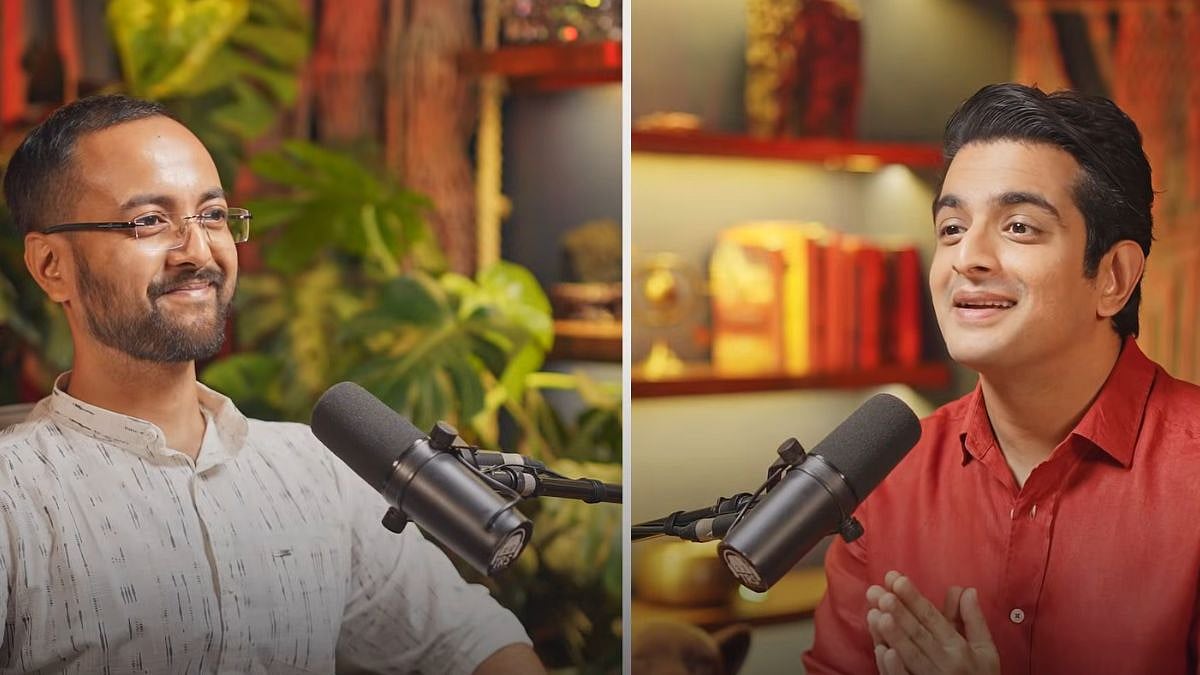
Historian and author Dr Sauradeep Nath recently appeared on Ranveer Allahbadia's BeerBiceps Podcast, where he discussed the link between Assam's ancient history and the Hindu epics, Ramayana and Mahabharata. According to Dr Nath, the ancient kingdom of Pragjyotishpur, which is widely believed to have been located in present-day Assam, finds mention in several Hindu scriptures, including the Ramayana and the Mahabharata.
The Ramayana, a Sanskrit epic poem composed by the sage Valmiki, tells the story of the life of Lord Rama and consists of seven Kandas and approximately 24,000 verses. The Hindu epic has long been a subject of discussion, with references to the region now known as Assam. Dr Nath explained how these references highlight the deep cultural and historical significance of the region.
The name Assam, also called Ahom by many locals, has roots linked to the region's ancient history. The ancient mythological name for present-day Assam is Pragjyotisha, which is mentioned in the Ramayana and the Mahabharata. The region's capital was Pragjyotishpura, which was built around the Kamakhya Temple.
According to mythology, Narakasura was the first ruler to establish the dynasty of Pragjyotisha. In the Mahabharata and the Puranas, Narakasura is described as the powerful demon king of Pragjyotisha and the son of Bhudevi and Lord Vishnu's Varaha avatar. Dr Nath discussed the legend of Narakasura and the story of Bhagadatta, the king of Pragjyotishpur, who fought on the side of the Kauravas in the Mahabharata.
These narratives demonstrate that the region occupied an important place in ancient Indian traditions. Dr Nath also spoke about three dynasties in Assam associated with the Mahabharata: Pragjyotishpur, established by Narakasura; Banasura's kingdom, believed to have been situated around present-day Tezpur; and Vidarbha, where Bhismaka was the king.
The Ahom dynasty ruled Assam from the 13th to the 19th century and shaped much of the state's recorded history. However, Dr Nath noted that Assam's civilisation and cultural identity predate the Ahoms by many centuries. The region's rich historical and mythological roots are a testament to its significance in ancient Indian traditions.
The link between Assam's ancient history and the Hindu epics is a fascinating topic that highlights the region's importance in Indian culture and history. Dr Nath's discussion on the BeerBiceps Podcast provides a unique insight into the region's rich heritage and its connection to the Ramayana and Mahabharata.
In conclusion, the ancient history of Assam is deeply connected to the Hindu epics, Ramayana and Mahabharata. The region's mention in these scriptures highlights its significance in ancient Indian traditions. The stories of Narakasura, Bhagadatta, and other mythological figures demonstrate the region's importance in Indian culture and history.
The discussion of Assam's ancient history and its link to the Hindu epics is a significant topic that provides a unique insight into the region's rich heritage. It is essential to understand and appreciate the region's cultural and historical significance to truly comprehend its importance in Indian culture and history.
Overall, Dr Nath's discussion on the BeerBiceps Podcast is a valuable contribution to the understanding of Assam's ancient history and its connection to the Hindu epics. It highlights the region's significance in Indian culture and history and provides a fascinating insight into the region's rich heritage.
Frequently asked questions
What is the ancient mythological name for present-day Assam?
The ancient mythological name for present-day Assam is Pragjyotisha.
Who was the first ruler to establish the dynasty of Pragjyotisha?
According to mythology, Narakasura was the first ruler to establish the dynasty of Pragjyotisha.