Uber, Rapido Driver Accepts Two Rides Simultaneously
A user's LinkedIn post raises questions about ride-hailing platforms' mechanisms to prevent simultaneous bookings.
'%3E%3Crect%20width%3D'96'%20height%3D'96'%20fill%3D'%23B3261E'%2F%3E%3Ccircle%20cx%3D'30'%20cy%3D'24'%20r%3D'44'%20fill%3D'%23fff'%20opacity%3D'.12'%2F%3E%3Ccircle%20cx%3D'60'%20cy%3D'74'%20r%3D'40'%20fill%3D'%23000'%20opacity%3D'.10'%2F%3E%3C%2Fg%3E%3Cg%20fill%3D'%23fff'%3E%3Crect%20x%3D'29'%20y%3D'49'%20width%3D'8'%20height%3D'19'%20rx%3D'1'%2F%3E%3Crect%20x%3D'39'%20y%3D'40'%20width%3D'9'%20height%3D'28'%20rx%3D'1'%2F%3E%3Crect%20x%3D'50'%20y%3D'45'%20width%3D'8'%20height%3D'23'%20rx%3D'1'%2F%3E%3Crect%20x%3D'60'%20y%3D'53'%20width%3D'7'%20height%3D'15'%20rx%3D'1'%2F%3E%3Crect%20x%3D'41'%20y%3D'34'%20width%3D'5'%20height%3D'6'%2F%3E%3C%2Fg%3E%3C%2Fsvg%3E)
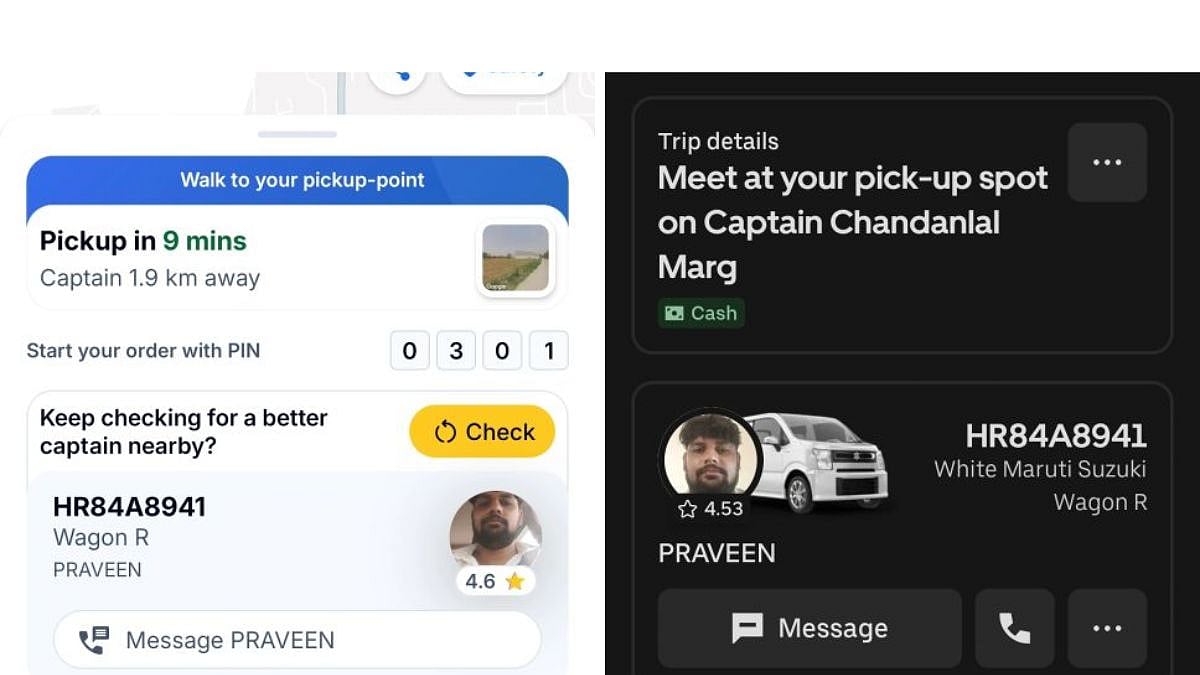
A recent incident involving a driver accepting ride bookings on both Uber and Rapido has sparked concerns over the handling of simultaneous ride acceptances by ride-hailing platforms.
Neha Bahri, founder of Bconnect Communications, shared her experience on LinkedIn, stating that she booked a cab through Uber and Rapido, only to find that the same driver, driving the same car, had accepted her ride requests on both platforms at almost the same time.
This incident has prompted Bahri to question whether ride-hailing platforms have mechanisms in place to prevent drivers from accepting multiple bookings simultaneously. She asked how platforms can identify when a driver has already committed to another ride and who bears responsibility when two customers are assigned to the same vehicle.
Bahri also raised questions about the growing practice of drivers operating across multiple ride-hailing platforms and the commercial implications for customers. She argued that passengers pay for the convenience, technology, and assurance that a confirmed booking represents an actual confirmed ride. However, if a driver can simultaneously accept rides on different platforms, it raises questions about what exactly customers are paying for.
The incident has sparked concerns about the reliability of ride-hailing platforms and the availability of vehicles. Bahri tagged Uber and Rapido in her post, seeking clarity from both companies on whether the situation was a feature of their systems, a loophole, a driver-side practice, or an issue that the platforms have yet to address.
The incident highlights the need for ride-hailing platforms to have mechanisms in place to prevent simultaneous bookings and ensure that customers are not misled about the availability of vehicles. It also raises questions about the regulation of ride-hailing platforms and the need for greater transparency about their operations.
In recent years, the ride-hailing industry has grown rapidly, with many drivers operating across multiple platforms. However, this incident highlights the need for platforms to have robust systems in place to prevent simultaneous bookings and ensure that customers are protected.
The incident has sparked a debate about the need for greater regulation of ride-hailing platforms and the need for platforms to be more transparent about their operations. It remains to be seen how Uber and Rapido will respond to Bahri's questions and what measures they will take to prevent similar incidents in the future.
In conclusion, the incident involving a driver accepting two ride bookings simultaneously has raised important questions about the handling of simultaneous ride acceptances by ride-hailing platforms. It highlights the need for platforms to have robust systems in place to prevent simultaneous bookings and ensure that customers are protected. As the ride-hailing industry continues to grow, it is essential that platforms prioritize customer safety and transparency.
The incident has significant implications for customers who use ride-hailing platforms, as it raises questions about the reliability and availability of vehicles. It also highlights the need for greater awareness about the operations of ride-hailing platforms and the need for customers to be cautious when using these services.
Overall, the incident involving a driver accepting two ride bookings simultaneously is a wake-up call for ride-hailing platforms to prioritize customer safety and transparency. It highlights the need for platforms to have robust systems in place to prevent simultaneous bookings and ensure that customers are protected. As the ride-hailing industry continues to evolve, it is essential that platforms prioritize customer safety and transparency to maintain trust and confidence among customers.
Frequently asked questions
What happened in the Uber-Rapido incident?
A driver accepted two ride bookings simultaneously on Uber and Rapido.
What are the implications of the incident for customers?
The incident raises questions about the reliability and availability of vehicles on ride-hailing platforms.