Delhi HC Rebukes CJP Leader Over Gaurav Bhatia Post
Delhi HC asks defendants to remove disputed posts. Criticism must be articulate.
'%3E%3Crect%20width%3D'96'%20height%3D'96'%20fill%3D'%231A5276'%2F%3E%3Ccircle%20cx%3D'30'%20cy%3D'24'%20r%3D'44'%20fill%3D'%23fff'%20opacity%3D'.12'%2F%3E%3Ccircle%20cx%3D'60'%20cy%3D'74'%20r%3D'40'%20fill%3D'%23000'%20opacity%3D'.10'%2F%3E%3C%2Fg%3E%3Cg%20fill%3D'%23fff'%3E%3Cpath%20d%3D'M31%2041%20L48%2031%20L65%2041%20Z'%2F%3E%3Crect%20x%3D'33'%20y%3D'43'%20width%3D'4'%20height%3D'17'%2F%3E%3Crect%20x%3D'41'%20y%3D'43'%20width%3D'4'%20height%3D'17'%2F%3E%3Crect%20x%3D'51'%20y%3D'43'%20width%3D'4'%20height%3D'17'%2F%3E%3Crect%20x%3D'59'%20y%3D'43'%20width%3D'4'%20height%3D'17'%2F%3E%3Crect%20x%3D'30'%20y%3D'62'%20width%3D'36'%20height%3D'4'%20rx%3D'1'%2F%3E%3C%2Fg%3E%3C%2Fsvg%3E)
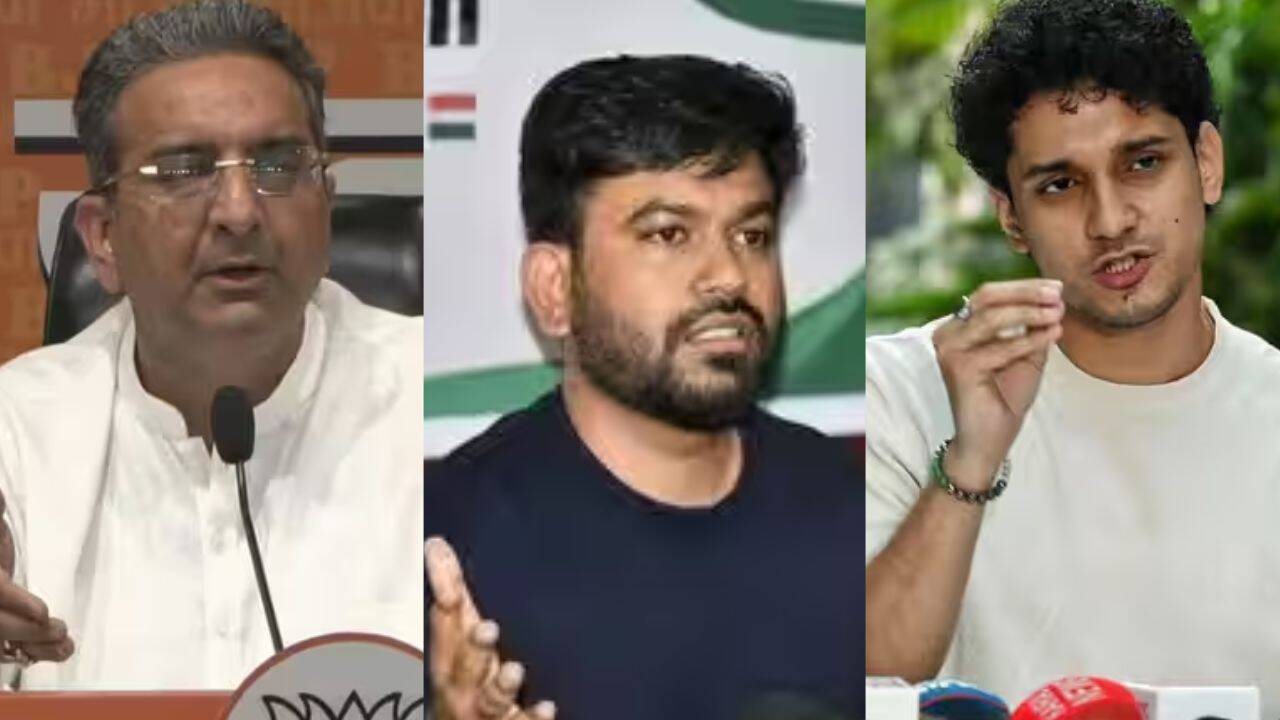
The Delhi High Court made a significant observation on Thursday in a defamation case filed by senior advocate and BJP leader Gaurav Bhatia. The court asked the defendants, including a leader from the Citizens for Justice and Peace (CJP), whether they were willing to voluntarily take down the disputed social media posts that sparked the case.
The court's remark came as it emphasized the importance of verifying information before attacking someone. The judge observed that there are different ways of protesting and that criticism should be expressed in a more articulate manner. This statement highlights the need for responsible communication, especially on social media platforms.
The case revolves around a social media post by the CJP leader that allegedly defamed Gaurav Bhatia. The BJP leader filed a defamation case, seeking damages and the removal of the post. The court's suggestion to remove the disputed posts voluntarily indicates its efforts to resolve the matter amicably.
The CJP is an organization that focuses on promoting justice and peace. However, in this instance, the court has raised questions about the manner in which the organization's leader chose to express criticism. The court's observation serves as a reminder that freedom of speech must be exercised responsibly, especially when it comes to criticizing public figures.
The Delhi High Court's decision in this case may set a precedent for future defamation cases involving social media posts. As social media continues to play a significant role in public discourse, the court's emphasis on responsible communication is crucial. The case also underscores the importance of verifying information before sharing it on social media to avoid spreading misinformation.
In recent years, there has been a surge in defamation cases related to social media posts. This trend highlights the need for social media users to be mindful of the content they share and the potential consequences of their actions. The Delhi High Court's observation in this case serves as a reminder that criticism and protests can be expressed in a manner that is both articulate and respectful.
The outcome of this case will be closely watched, as it may have implications for the way social media users express themselves online. The court's decision may also influence how organizations and individuals approach criticism and protests on social media platforms.
In conclusion, the Delhi High Court's observation in the defamation case filed by Gaurav Bhatia highlights the importance of responsible communication on social media. The court's emphasis on verifying information and expressing criticism in an articulate manner serves as a reminder that freedom of speech must be exercised responsibly. As social media continues to play a significant role in public discourse, this case may set a precedent for future defamation cases and underscore the need for responsible communication online.
The significance of this case extends beyond the realm of social media, as it touches on the broader issue of freedom of speech and responsible communication. The court's decision may have far-reaching implications for the way individuals and organizations express themselves in public discourse. As the case progresses, it will be important to monitor the court's decisions and their potential impact on freedom of speech and social media usage in India.
The Delhi High Court's observation is a timely reminder of the need for responsible communication in public discourse. As social media continues to evolve and play a larger role in our lives, it is essential to ensure that freedom of speech is exercised in a manner that is respectful, articulate, and responsible. The outcome of this case will be closely watched, and its implications will be felt for years to come.
In the context of Indian law, the case highlights the importance of verifying information before making public statements. The court's observation serves as a reminder that defamation laws are in place to protect individuals and organizations from false and malicious statements. The case also underscores the need for social media users to be aware of the potential consequences of their actions online.
The court's decision in this case may have significant implications for the future of social media usage in India. As the country continues to grapple with the challenges of social media regulation, the Delhi High Court's observation serves as a reminder that responsible communication is essential for maintaining a healthy and respectful public discourse. The case will be closely watched, and its outcome will have far-reaching implications for freedom of speech and social media usage in India.
Frequently asked questions
What is the Delhi High Court case about?
The case is a defamation lawsuit filed by BJP leader Gaurav Bhatia against a CJP leader over a social media post.
What did the Delhi High Court observe in the case?
The court observed that criticism should be expressed in a more articulate manner and that attacking without verifying is not correct.