Tennessee Farmer Leases 100 Acres for Solar Project
A Tennessee farmer leases land for solar, ensuring family ownership and income. Solar project addresses farming challenges.
'%3E%3Crect%20width%3D'96'%20height%3D'96'%20fill%3D'%23B3261E'%2F%3E%3Ccircle%20cx%3D'30'%20cy%3D'24'%20r%3D'44'%20fill%3D'%23fff'%20opacity%3D'.12'%2F%3E%3Ccircle%20cx%3D'60'%20cy%3D'74'%20r%3D'40'%20fill%3D'%23000'%20opacity%3D'.10'%2F%3E%3C%2Fg%3E%3Cg%20fill%3D'%23fff'%3E%3Crect%20x%3D'29'%20y%3D'49'%20width%3D'8'%20height%3D'19'%20rx%3D'1'%2F%3E%3Crect%20x%3D'39'%20y%3D'40'%20width%3D'9'%20height%3D'28'%20rx%3D'1'%2F%3E%3Crect%20x%3D'50'%20y%3D'45'%20width%3D'8'%20height%3D'23'%20rx%3D'1'%2F%3E%3Crect%20x%3D'60'%20y%3D'53'%20width%3D'7'%20height%3D'15'%20rx%3D'1'%2F%3E%3Crect%20x%3D'41'%20y%3D'34'%20width%3D'5'%20height%3D'6'%2F%3E%3C%2Fg%3E%3C%2Fsvg%3E)
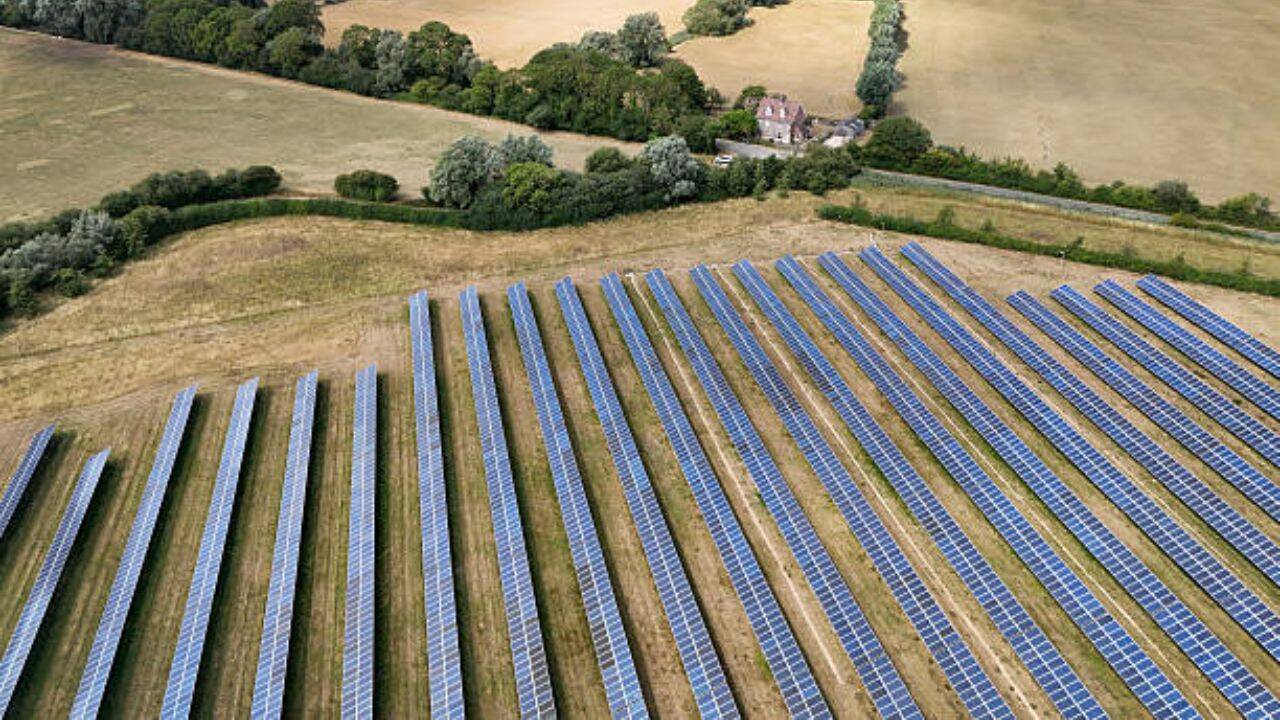
A Tennessee farmer has made the decision to lease 100 acres of family land for a solar project, allowing the farm to remain in the family while generating a steady income stream for future generations.
The Yum Yum Solar facility, a 147-megawatt project, became operational in May 2026. This project is an example of how farmers can balance energy production with land preservation, addressing the challenges faced by the farming community.
The lease provides a stable source of income, helping to mitigate the effects of farming challenges and land fragmentation. This approach also ensures that the farm remains in the family, preserving its legacy for generations to come.
The Yum Yum Solar facility is a significant project, highlighting the growing trend of farmers exploring alternative uses for their land. By leasing their land for solar projects, farmers can generate additional income while continuing to work on their farms.
This trend is expected to continue, as more farmers look for ways to diversify their income streams and preserve their land for future generations. The integration of solar projects into farming operations can help to address the challenges faced by the farming community, such as land fragmentation and declining income.
The decision by the Tennessee farmer to lease their land for the Yum Yum Solar facility is a testament to the innovative approaches being taken by farmers to ensure the long-term sustainability of their operations. By embracing new technologies and business models, farmers can help to preserve their land and generate income for future generations.
The growth of solar projects on farmland is also expected to have a positive impact on the environment, as renewable energy sources become increasingly important in the global effort to reduce carbon emissions. As the world continues to transition towards a more sustainable energy mix, the role of farmers in generating renewable energy is likely to become increasingly important.
In conclusion, the decision by the Tennessee farmer to lease their land for the Yum Yum Solar facility is a significant example of how farmers can balance energy production with land preservation, addressing the challenges faced by the farming community while generating income for future generations.
Frequently asked questions
What is the name of the solar facility in Tennessee?
The Yum Yum Solar facility, a 147-megawatt project.
When did the Yum Yum Solar facility become operational?
The Yum Yum Solar facility became operational in May 2026.