US warns Iran of alleged Israeli plot against negotiators
American officials privately alerted Tehran that Israel might attempt to assassinate top Iranian officials including Foreign Minister Araghchi and Speaker Ghalibaf during ongoing peace talks. The US expressed concern that such killings could destroy diplomatic efforts and reignite regional conflict.

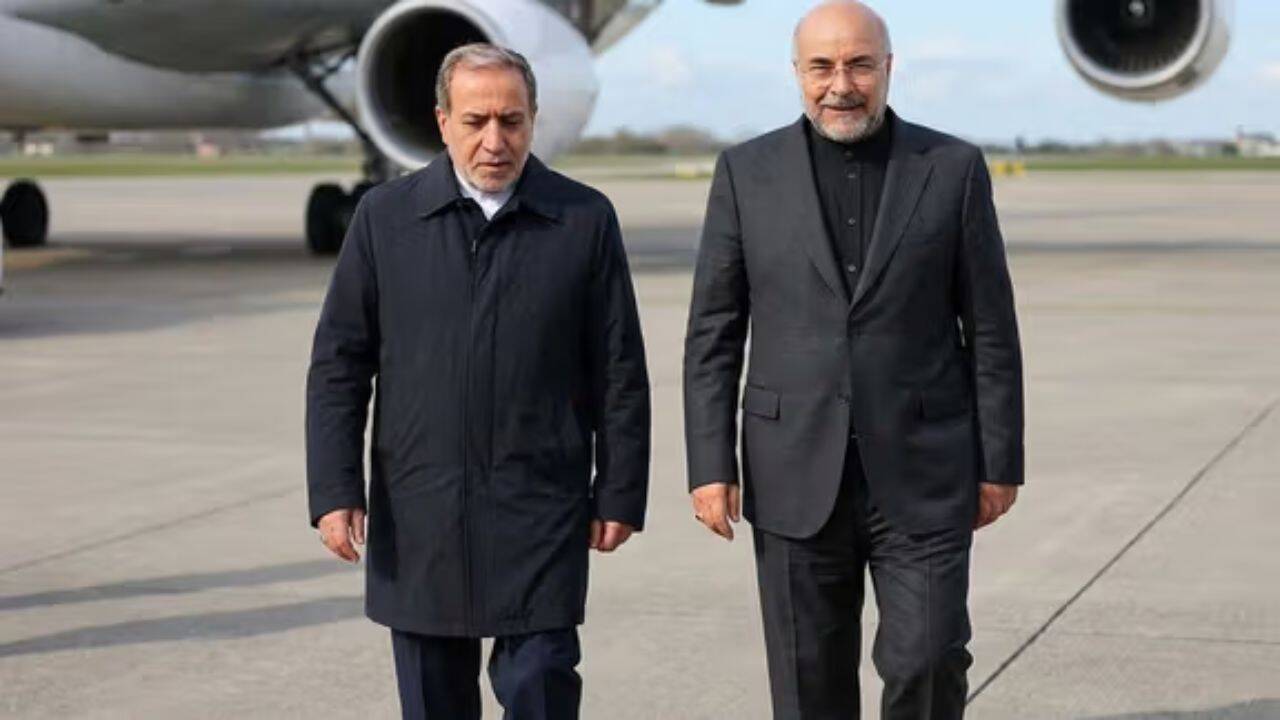
The United States has privately warned Iran about a potential Israeli operation targeting senior Iranian negotiators, including Foreign Minister Abbas Araghchi and Speaker Mohammad Bagher Ghalibaf, according to reports citing US officials familiar with the matter.
American diplomatic officials conveyed their concerns to Iranian counterparts, alerting them to the possibility that Israel might attempt assassinations during the course of ongoing peace negotiations. Washington's warning came from a position of concern that eliminating Iran's top political and diplomatic figures would fundamentally undermine negotiations and trigger a dangerous escalation in regional tensions. US officials urged Israel against pursuing any such targeting of Iran's senior leadership, fearing the consequences would be catastrophic for diplomatic efforts.
These private communications underscore deepening divisions between the United States and Israel regarding their respective approaches to Iran policy. While Washington has prioritized diplomatic engagement and negotiated settlement to resolve longstanding tensions, Israeli leadership has taken a significantly harder line. Israel has advocated for more aggressive measures against Iran, particularly concerning its nuclear programme and regional activities. The divergence in strategy has created friction within the strategic alliance, with American officials attempting to restrain potential Israeli military actions that could sabotage ongoing talks.
The warnings reveal Washington's fear that targeted killings of prominent Iranian officials would have severe diplomatic repercussions. Assassination of negotiators would likely harden Iran's stance, destroy trust in any peace process, and potentially provoke Iranian retaliation against both Israeli and American interests across the Middle East. Such escalation could destabilise the broader region, drawing in other players and creating conditions for wider conflict.
The incident highlights the tension between American diplomatic strategy, which seeks negotiated resolution through dialogue, and Israeli security concerns about Iranian threats. The gap between the two allies' approaches to Iran remains a significant challenge for Middle Eastern stability, with both nations pursuing vastly different objectives despite their broader strategic partnership. The outcome of these tensions may determine whether diplomatic channels survive or whether military confrontation becomes inevitable.
Source: TOI India