Udhayanidhi Stalin's Remarks Spark Controversy in Tamil Nadu
Tamil Nadu Opposition leader sparks outrage, government overreacts. Stalin's remarks criticized.
'%3E%3Crect%20width%3D'96'%20height%3D'96'%20fill%3D'%231A5276'%2F%3E%3Ccircle%20cx%3D'30'%20cy%3D'24'%20r%3D'44'%20fill%3D'%23fff'%20opacity%3D'.12'%2F%3E%3Ccircle%20cx%3D'60'%20cy%3D'74'%20r%3D'40'%20fill%3D'%23000'%20opacity%3D'.10'%2F%3E%3C%2Fg%3E%3Cg%20fill%3D'%23fff'%3E%3Cpath%20d%3D'M31%2041%20L48%2031%20L65%2041%20Z'%2F%3E%3Crect%20x%3D'33'%20y%3D'43'%20width%3D'4'%20height%3D'17'%2F%3E%3Crect%20x%3D'41'%20y%3D'43'%20width%3D'4'%20height%3D'17'%2F%3E%3Crect%20x%3D'51'%20y%3D'43'%20width%3D'4'%20height%3D'17'%2F%3E%3Crect%20x%3D'59'%20y%3D'43'%20width%3D'4'%20height%3D'17'%2F%3E%3Crect%20x%3D'30'%20y%3D'62'%20width%3D'36'%20height%3D'4'%20rx%3D'1'%2F%3E%3C%2Fg%3E%3C%2Fsvg%3E)
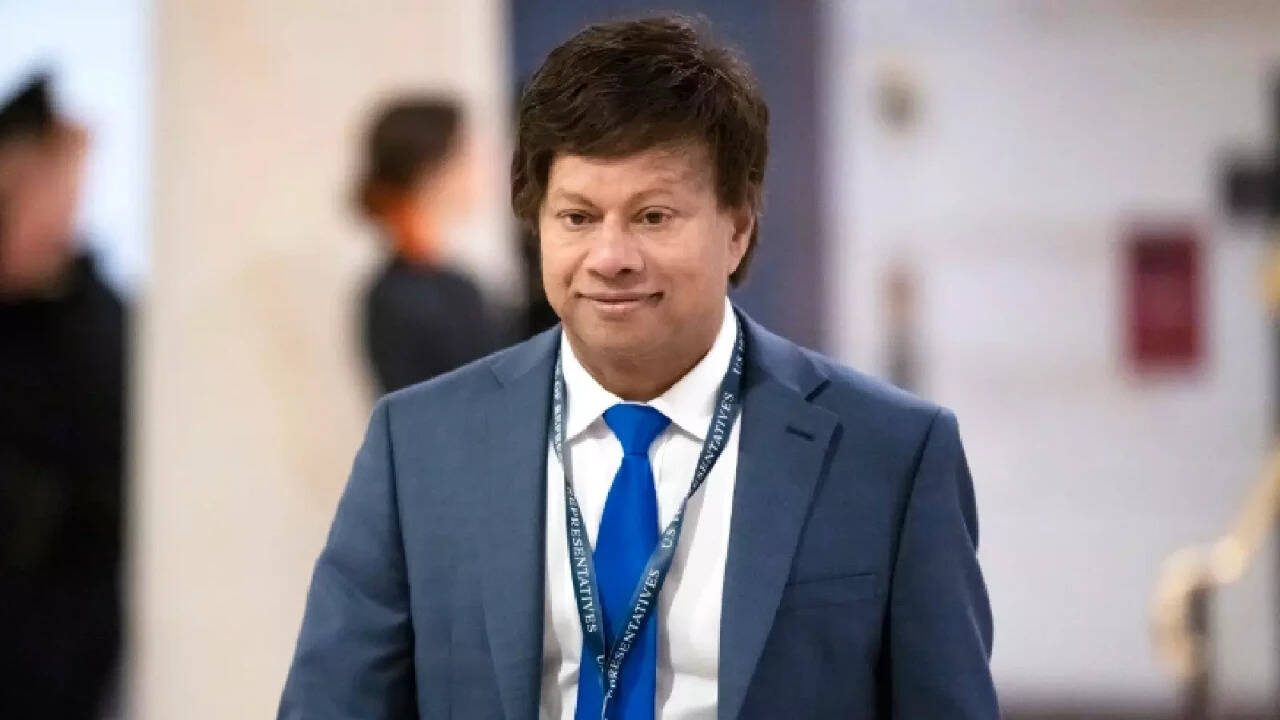
Udhayanidhi Stalin, the Leader of the Opposition in the Tamil Nadu Assembly, has sparked controversy with his recent speech at Thanjavur. While addressing party workers, he used a sexually suggestive double entendre against Chief Minister C. Joseph Vijay, which was widely criticized as misogynistic and unacceptable.
The remarks were seen as a clear breach of the standards of public conduct expected from political leaders, especially those in high office. As the son of former DMK Chief Minister M. K. Stalin, Udhayanidhi is expected to be a role model for young people and ordinary citizens.
His subsequent explanation that he had not intended such a meaning failed to convince many, and the public outrage that followed was understandable. Stalin deserved criticism for crossing the limits of acceptable political discourse, and the widespread revulsion his remarks generated was itself a severe rebuke.
However, the Vijay government also erred by overreacting to the situation. Instead of allowing public opinion to deliver its verdict, it invoked multiple provisions of the Bharatiya Nyaya Sanhita to arrest and interrogate him. This excessive use of criminal law transformed an erring politician into a victim of alleged state overreach.
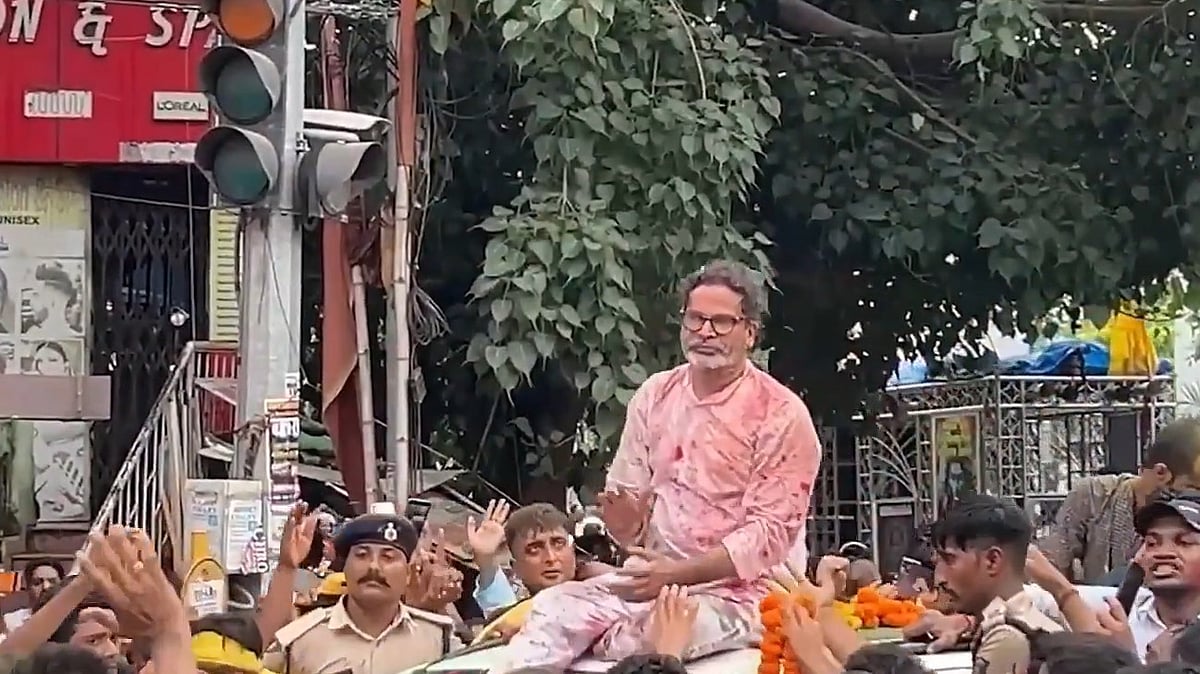
The strategy backfired when the Madras High Court granted him relief, and the enthusiastic welcome he received after his release illustrated how quickly public sympathy can shift when governments appear vindictive.
Tamil Nadu has witnessed such episodes before, with former Chief Minister J. Jayalalithaa once accusing Congress leader Mani Shankar Aiyar of hurling abusive English expletives at her. Although the exact words were never disclosed, the controversy escalated into violence against his vehicle.
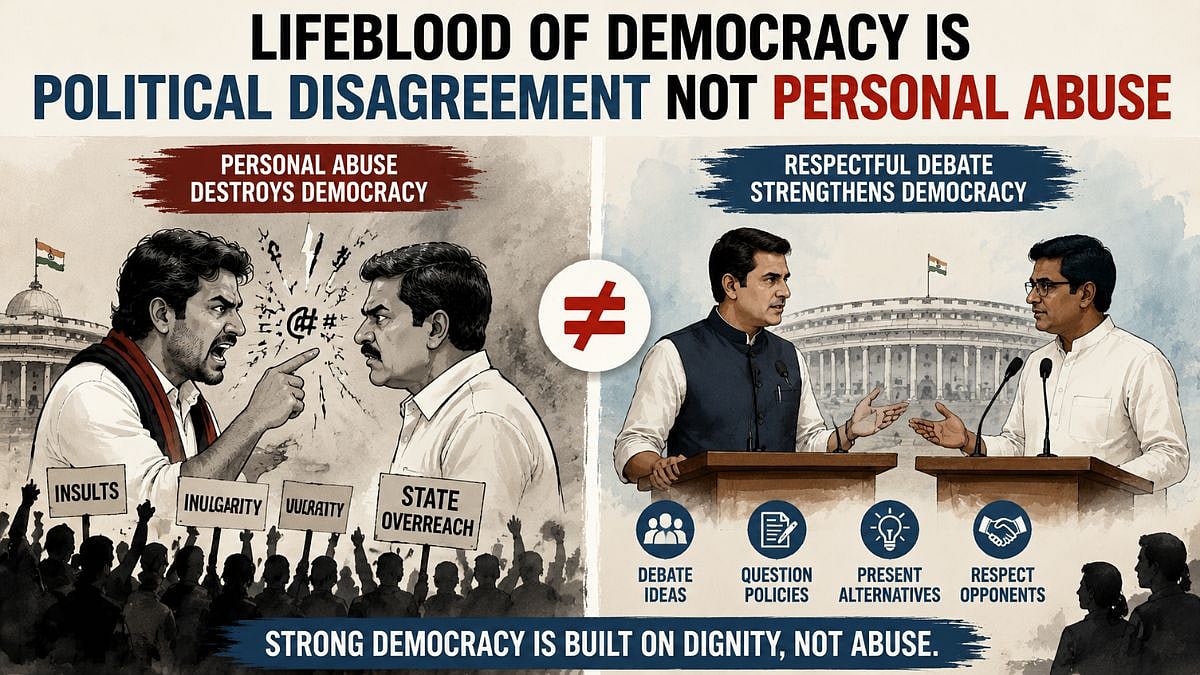
Political disagreement is the lifeblood of democracy, and leaders have every right to criticize opponents for their actions, policies, and failures. However, they have no right to descend into vulgarity or use the coercive power of the state to settle scores.
The incident highlights the need for political leaders to maintain decorum and respect in their public discourse, and for governments to exercise restraint in their response to criticism.
In a democratic system, the ability to engage in constructive criticism and debate is essential, and political leaders must be mindful of their language and actions to maintain the trust and respect of the public.
The controversy surrounding Udhayanidhi Stalin's remarks serves as a reminder of the importance of maintaining standards of public conduct and the need for political leaders to be role models for the public.
Ultimately, the incident underscores the importance of political disagreement and debate in a democratic system, and the need for leaders to engage in constructive criticism without resorting to personal abuse or vulgarity.
Frequently asked questions
What did Udhayanidhi Stalin say to spark controversy?
He used a sexually suggestive double entendre against Chief Minister C. Joseph Vijay.
How did the government respond to Stalin's remarks?
The government invoked multiple provisions of the Bharatiya Nyaya Sanhita to arrest and interrogate him, but the Madras High Court later granted him relief.