Government Clarifies E20 Fuel Program Is Safe for Engines, Dismisses Online Misinformation
India's government has issued a 10-point response defending its E20 ethanol fuel blending initiative, stating extensive testing proves no engine damage and rejecting viral social media claims about environmental harm and water wastage.

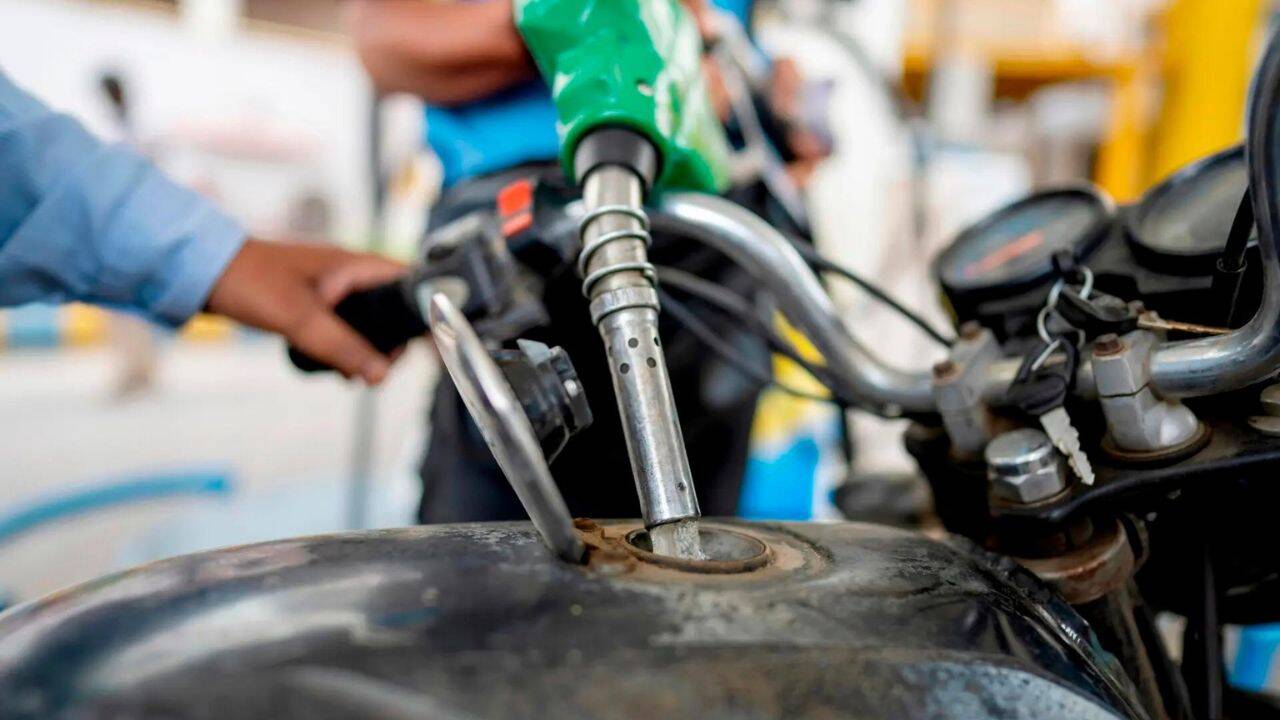
The Indian government has launched a comprehensive clarification campaign to counter widespread misinformation about its E20 ethanol blending programme, releasing a 10-point statement asserting the fuel's safety and environmental credentials.
Official testing data demonstrates that vehicles using E20 fuel—which blends 20 per cent ethanol with petrol—show no significant engine damage or performance degradation, the government stated. The clarification directly addresses viral social media posts claiming the fuel causes mechanical failures and raises vehicle maintenance costs. Authorities emphasised that the programme is underpinned by rigorous scientific research and aligns with global fuel standards adopted by other nations.
Beyond mechanical safety, the government refuted claims that E20 production requires excessive water consumption and damages agricultural sustainability. Officials highlighted that ethanol production from crops benefits Indian farmers through additional income streams and supports domestic agriculture. The fuel programme simultaneously achieves multiple policy objectives: reducing India's crude oil import burden, strengthening rural economies, and decreasing foreign exchange outflows spent on petroleum products.
The initiative carries substantial economic implications for India. By promoting ethanol blending, the government aims to reduce crude oil dependency while creating demand for agricultural produce, particularly surplus grains and sugarcane waste. This dual benefit supports both energy security and farmer welfare—two critical priorities for the administration. E20 fuel is gradually becoming available at petrol pumps across major cities, though penetration remains limited in many regions.
The government's defensive posture reflects growing digital misinformation campaigns affecting policy adoption. Social media platforms have amplified unverified claims about engine compatibility and environmental risks, potentially slowing consumer acceptance despite official approval. The 10-point clarification represents an effort to build public confidence through transparent communication of test results and environmental impact assessments.
Industry experts note that E20 adoption requires both consumer education and infrastructure adaptation. Vehicle owners must understand compatibility before switching fuels, while petrol station networks need expansion to make E20 widely accessible. The government's latest intervention signals commitment to scaling the programme despite online resistance.