JNPA Starts Double-Stack DFC Operations
JNPA begins long-haul double-stack operations, enhancing EXIM cargo evacuation. Faster delivery to inland destinations expected.
'%3E%3Crect%20width%3D'96'%20height%3D'96'%20fill%3D'%23B3261E'%2F%3E%3Ccircle%20cx%3D'30'%20cy%3D'24'%20r%3D'44'%20fill%3D'%23fff'%20opacity%3D'.12'%2F%3E%3Ccircle%20cx%3D'60'%20cy%3D'74'%20r%3D'40'%20fill%3D'%23000'%20opacity%3D'.10'%2F%3E%3C%2Fg%3E%3Cg%20fill%3D'%23fff'%3E%3Crect%20x%3D'29'%20y%3D'49'%20width%3D'8'%20height%3D'19'%20rx%3D'1'%2F%3E%3Crect%20x%3D'39'%20y%3D'40'%20width%3D'9'%20height%3D'28'%20rx%3D'1'%2F%3E%3Crect%20x%3D'50'%20y%3D'45'%20width%3D'8'%20height%3D'23'%20rx%3D'1'%2F%3E%3Crect%20x%3D'60'%20y%3D'53'%20width%3D'7'%20height%3D'15'%20rx%3D'1'%2F%3E%3Crect%20x%3D'41'%20y%3D'34'%20width%3D'5'%20height%3D'6'%2F%3E%3C%2Fg%3E%3C%2Fsvg%3E)
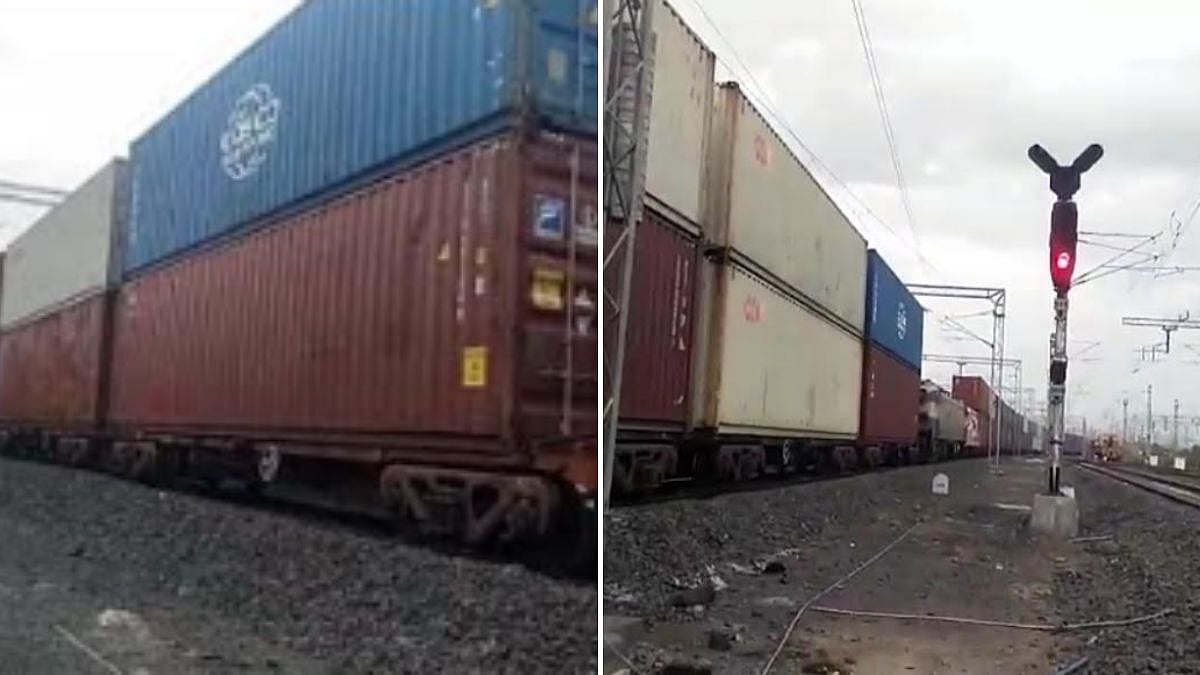
The Jawaharlal Nehru Port Authority (JNPA) in Navi Mumbai has commenced long-haul double-stack operations on the Dedicated Freight Corridor (DFC).
The first rake carrying 360 TEUs of import cargo departed from the port on Friday evening, bound for CGMV. The cargo had arrived through the BMCT terminal operated by PSA.
This move is expected to significantly enhance rail-based evacuation of EXIM cargo from the port by allowing higher volumes to be transported in a single rake. According to a JNPA spokesperson, the introduction of long-haul double-stack DFC operations will enable the port to move larger volumes of cargo more efficiently, reduce import dwell time, and facilitate faster delivery to inland destinations.
The enhanced DFC connectivity is expected to help reduce transit times and logistics bottlenecks, providing greater predictability to importers, exporters, and other stakeholders in the supply chain. Faster evacuation is also expected to improve cargo availability at inland destinations and support more efficient inventory management.
The integration with the DFC network is expected to strengthen the port's links with key inland destinations and provide an efficient alternative for long-distance movement of EXIM cargo. JNPA currently operates five container terminals, besides a shallow-water berth for general cargo, liquid cargo facilities, and a coastal berth supporting connectivity with other Indian ports.
The port authority is also developing a 277-hectare multi-product Special Economic Zone and the Vadhvan Port, an all-weather, deep-draft greenfield port in Maharashtra. This development is expected to further enhance the port's capabilities and contribute to the growth of the region's economy.
The commencement of long-haul double-stack DFC operations is a significant milestone in JNPA's efforts to improve its rail connectivity and cargo evacuation capabilities. This move is expected to have a positive impact on the region's trade and commerce, and is a step towards making the port a more efficient and reliable hub for EXIM cargo.
In the long run, this development is expected to contribute to the growth of the Indian economy, by facilitating faster and more efficient movement of goods. The improved connectivity and reduced transit times will make Indian ports more competitive in the global market, and will help to increase the country's trade volumes.
Frequently asked questions
What is the significance of JNPA's double-stack DFC operations?
The operations will enable the port to move larger volumes of cargo more efficiently, reduce import dwell time, and facilitate faster delivery to inland destinations.
How will the integration with the DFC network benefit stakeholders?
The integration will help reduce transit times and logistics bottlenecks, providing greater predictability to importers, exporters, and other stakeholders in the supply chain.