Japan Culls 14,000 Bears Amid Record Attacks
Japan faces rising bear conflicts, culls 14,000 bears, plans to remove 8,800 more
'%3E%3Crect%20width%3D'96'%20height%3D'96'%20fill%3D'%23B3261E'%2F%3E%3Ccircle%20cx%3D'30'%20cy%3D'24'%20r%3D'44'%20fill%3D'%23fff'%20opacity%3D'.12'%2F%3E%3Ccircle%20cx%3D'60'%20cy%3D'74'%20r%3D'40'%20fill%3D'%23000'%20opacity%3D'.10'%2F%3E%3C%2Fg%3E%3Cg%20fill%3D'%23fff'%3E%3Crect%20x%3D'29'%20y%3D'49'%20width%3D'8'%20height%3D'19'%20rx%3D'1'%2F%3E%3Crect%20x%3D'39'%20y%3D'40'%20width%3D'9'%20height%3D'28'%20rx%3D'1'%2F%3E%3Crect%20x%3D'50'%20y%3D'45'%20width%3D'8'%20height%3D'23'%20rx%3D'1'%2F%3E%3Crect%20x%3D'60'%20y%3D'53'%20width%3D'7'%20height%3D'15'%20rx%3D'1'%2F%3E%3Crect%20x%3D'41'%20y%3D'34'%20width%3D'5'%20height%3D'6'%2F%3E%3C%2Fg%3E%3C%2Fsvg%3E)
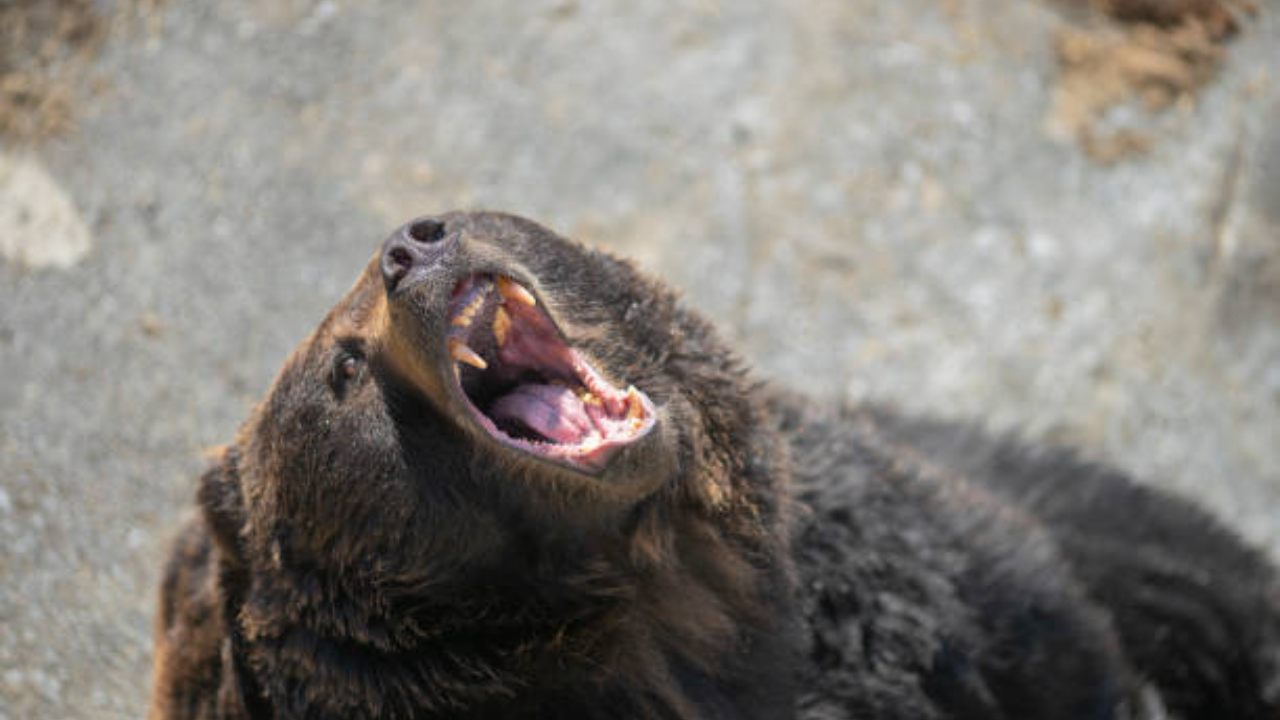
Japan is experiencing a significant increase in bear conflicts, with a record number of attacks reported.
In response to the rising conflicts, the Japanese government has culled over 14,000 bears.
The government plans to remove an additional 8,800 bears from the population.
Conservationists are expressing concerns over the extensive culling of endangered bear populations.
They argue that the approach is ineffective and does not address the root causes of the conflicts.
The main factors contributing to the rise in bear conflicts are extreme heat and declining food sources.
These factors are pushing bears into human territories in search of food, leading to increased encounters between humans and bears.
The Japanese government's response to the situation has been focused on reducing the bear population.
However, critics argue that this approach does not take into account the complex factors driving the conflicts.
The culling of bears has sparked a debate about the effectiveness of the government's strategy.
While the government aims to reduce the number of bear attacks, conservationists argue that a more comprehensive approach is needed.
The situation in Japan highlights the need for a balanced approach to managing wildlife populations and mitigating conflicts between humans and animals.
It is essential to consider the root causes of the conflicts and develop strategies that address these underlying factors.
In conclusion, Japan's bear conflict situation is complex and requires a nuanced approach.
The government's culling strategy has sparked controversy, and it is crucial to consider alternative solutions that prioritize both human safety and wildlife conservation.
Frequently asked questions
Why are bear conflicts rising in Japan?
Bear conflicts are rising in Japan due to extreme heat and declining food sources, pushing bears into human territories.
How many bears has Japan culled?
Japan has culled over 14,000 bears and plans to remove an additional 8,800 bears.