Nicobarese Cultural Heritage Added to UNESCO Tentative List
Nicobarese community's unique traditions and cultural practices recognized by UNESCO. The inclusion highlights the community's deep connection with the island landscape.
'%3E%3Crect%20width%3D'96'%20height%3D'96'%20fill%3D'%231B5E20'%2F%3E%3Ccircle%20cx%3D'30'%20cy%3D'24'%20r%3D'44'%20fill%3D'%23fff'%20opacity%3D'.12'%2F%3E%3Ccircle%20cx%3D'60'%20cy%3D'74'%20r%3D'40'%20fill%3D'%23000'%20opacity%3D'.10'%2F%3E%3C%2Fg%3E%3Cg%3E%3Ccircle%20cx%3D'48'%20cy%3D'48'%20r%3D'15'%20fill%3D'%23fff'%2F%3E%3Cpath%20d%3D'M43%2034%20Q50%2048%2043%2062'%20fill%3D'none'%20stroke%3D'%238a94a6'%20stroke-width%3D'2.4'%2F%3E%3Cpath%20d%3D'M47%2033%20Q54%2048%2047%2063'%20fill%3D'none'%20stroke%3D'%238a94a6'%20stroke-width%3D'1.8'%20stroke-dasharray%3D'1.5%203'%2F%3E%3C%2Fg%3E%3C%2Fsvg%3E)
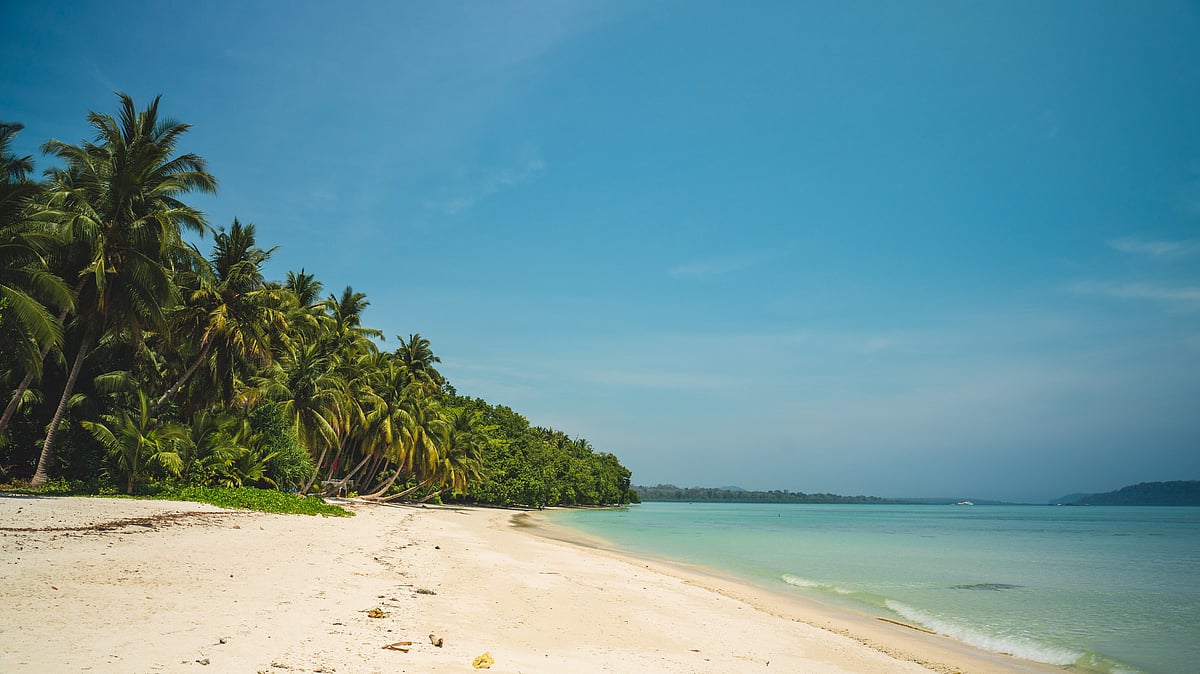
The Nicobarese community's cultural heritage has been added to UNESCO's World Heritage Tentative List, marking a significant recognition of India's rich cultural and natural heritage. The inclusion, titled 'Nicobarese Cultural Continuity in Central Group of Nicobar Islands', highlights the unique traditions, cultural practices, and deep connection with the island landscape maintained by the indigenous community over generations.
The proposed property covers the colonial penal settlement of Andaman Islands, the Central Group of Nicobar Islands, comprising seven islands including Trinket, Katchal, Chowra, Teressa, Kamorta, Bompoka, and Nancowrie. The Central Nicobar Islands are home to communities whose cultural identity is closely linked to their environment, traditional knowledge, and social practices.
The Nicobarese have developed ways of living that reflect their understanding of the islands' forests, coastline, and surrounding marine ecosystem. The recognition is significant because it places greater focus on living indigenous heritage, rather than only monuments or archaeological remains. Cultural continuity refers to the way traditions, knowledge, customs, and community practices continue to be passed from one generation to another.
The Nicobarese cultural landscape also demonstrates the relationship between people and their natural surroundings. Traditional knowledge related to local resources, community life, and the island environment is an essential part of the community's cultural heritage. The inclusion of the Nicobarese cultural heritage on the UNESCO Tentative List is an important step towards possible UNESCO World Heritage recognition.
Countries first place sites on their Tentative Lists before potentially submitting them for formal nomination and evaluation. The Permanent Delegation of India to UNESCO welcomed the inclusion, stating that it represents a significant recognition of India's rich cultural and natural heritage.
The recognition of the Nicobarese cultural heritage is also significant because it highlights the importance of preserving indigenous cultures and traditional knowledge. The Nicobarese community's cultural practices and traditions are an essential part of India's cultural diversity, and their recognition by UNESCO is a testament to the country's rich cultural heritage.
In recent years, India has made significant efforts to preserve and promote its cultural heritage, including the nomination of several sites for UNESCO World Heritage recognition. The inclusion of the Nicobarese cultural heritage on the UNESCO Tentative List is a significant step towards preserving India's cultural diversity and promoting its rich cultural heritage.
The recognition of the Nicobarese cultural heritage also has implications for the conservation of the Andaman and Nicobar Islands' natural environment. The Nicobarese community's traditional knowledge and cultural practices are closely linked to the island's ecosystem, and their preservation is essential for maintaining the delicate balance of the island's environment.
In conclusion, the inclusion of the Nicobarese cultural heritage on the UNESCO Tentative List is a significant recognition of India's rich cultural and natural heritage. The recognition highlights the importance of preserving indigenous cultures and traditional knowledge, and it is a testament to the country's efforts to promote and preserve its cultural diversity.
The Nicobarese community's cultural heritage is an essential part of India's cultural identity, and its recognition by UNESCO is a significant step towards preserving the country's cultural diversity. The inclusion of the Nicobarese cultural heritage on the UNESCO Tentative List is a significant achievement, and it is a testament to the country's rich cultural heritage.
The recognition of the Nicobarese cultural heritage also has implications for the future of India's cultural heritage. The inclusion of the Nicobarese cultural heritage on the UNESCO Tentative List is a significant step towards preserving India's cultural diversity, and it is a testament to the country's efforts to promote and preserve its cultural heritage.
Overall, the recognition of the Nicobarese cultural heritage is a significant achievement, and it is a testament to the country's rich cultural heritage. The inclusion of the Nicobarese cultural heritage on the UNESCO Tentative List is a significant step towards preserving India's cultural diversity, and it is a significant recognition of India's rich cultural and natural heritage.
The Nicobarese community's cultural heritage is an essential part of India's cultural identity, and its recognition by UNESCO is a significant step towards preserving the country's cultural diversity. The recognition of the Nicobarese cultural heritage is also significant because it highlights the importance of preserving indigenous cultures and traditional knowledge.
In the future, the recognition of the Nicobarese cultural heritage is likely to have significant implications for the conservation of the Andaman and Nicobar Islands' natural environment. The Nicobarese community's traditional knowledge and cultural practices are closely linked to the island's ecosystem, and their preservation is essential for maintaining the delicate balance of the island's environment.
The recognition of the Nicobarese cultural heritage is a significant achievement, and it is a testament to the country's rich cultural heritage. The inclusion of the Nicobarese cultural heritage on the UNESCO Tentative List is a significant step towards preserving India's cultural diversity, and it is a significant recognition of India's rich cultural and natural heritage.
The Nicobarese community's cultural heritage is an essential part of India's cultural identity, and its recognition by UNESCO is a significant step towards preserving the country's cultural diversity. The recognition of the Nicobarese cultural heritage is also significant because it highlights the importance of preserving indigenous cultures and traditional knowledge.
The recognition of the Nicobarese cultural heritage has significant implications for the future of India's cultural heritage. The inclusion of the Nicobarese cultural heritage on the UNESCO Tentative List is a significant step towards preserving India's cultural diversity, and it is a testament to the country's efforts to promote and preserve its cultural heritage.
In conclusion, the recognition of the Nicobarese cultural heritage is a significant achievement, and it is a testament to the country's rich cultural heritage. The inclusion of the Nicobarese cultural heritage on the UNESCO Tentative List is a significant step towards preserving India's cultural diversity, and it is a significant recognition of India's rich cultural and natural heritage.
The Nicobarese community's cultural heritage is an essential part of India's cultural identity, and its recognition by UNESCO is a significant step towards preserving the country's cultural diversity. The recognition of the Nicobarese cultural heritage is also significant because it highlights the importance of preserving indigenous cultures and traditional knowledge.
The recognition of the Nicobarese cultural heritage has significant implications for the conservation of the Andaman and Nicobar Islands' natural environment. The Nicobarese community's traditional knowledge and cultural practices are closely linked to the island's ecosystem, and their preservation is essential for maintaining the delicate balance of the island's environment.
Overall, the recognition of the Nicobarese cultural heritage is a significant achievement, and it is a testament to the country's rich cultural heritage. The inclusion of the Nicobarese cultural heritage on the UNESCO Tentative List is a significant step towards preserving India's cultural diversity, and it is a significant recognition of India's rich cultural and natural heritage.
What it means for Mumbai and India is that the recognition of the Nicobarese cultural heritage is a significant step towards preserving the country's cultural diversity. The inclusion of the Nicobarese cultural heritage on the UNESCO Tentative List is a significant recognition of India's rich cultural and natural heritage, and it highlights the importance of preserving indigenous cultures and traditional knowledge.
The recognition of the Nicobarese cultural heritage also has implications for the conservation of the Andaman and Nicobar Islands' natural environment. The Nicobarese community's traditional knowledge and cultural practices are closely linked to the island's ecosystem, and their preservation is essential for maintaining the delicate balance of the island's environment.
In conclusion, the recognition of the Nicobarese cultural heritage is a significant achievement, and it is a testament to the country's rich cultural heritage. The inclusion of the Nicobarese cultural heritage on the UNESCO Tentative List is a significant step towards preserving India's cultural diversity, and it is a significant recognition of India's rich cultural and natural heritage.
Frequently asked questions
What is the significance of the Nicobarese cultural heritage being added to the UNESCO Tentative List?
The inclusion highlights the unique traditions, cultural practices, and deep connection with the island landscape maintained by the indigenous community over generations.
What is the next step for the Nicobarese cultural heritage after being added to the UNESCO Tentative List?
The next step is for the site to be formally nominated and evaluated for possible UNESCO World Heritage recognition.