Chilean Penguins Wear Copper Vests for Faster Healing
Injured penguins in Chile get special vests. Copper and zinc help them heal.
'%3E%3Crect%20width%3D'96'%20height%3D'96'%20fill%3D'%23B3261E'%2F%3E%3Ccircle%20cx%3D'30'%20cy%3D'24'%20r%3D'44'%20fill%3D'%23fff'%20opacity%3D'.12'%2F%3E%3Ccircle%20cx%3D'60'%20cy%3D'74'%20r%3D'40'%20fill%3D'%23000'%20opacity%3D'.10'%2F%3E%3C%2Fg%3E%3Cg%20fill%3D'%23fff'%3E%3Crect%20x%3D'29'%20y%3D'49'%20width%3D'8'%20height%3D'19'%20rx%3D'1'%2F%3E%3Crect%20x%3D'39'%20y%3D'40'%20width%3D'9'%20height%3D'28'%20rx%3D'1'%2F%3E%3Crect%20x%3D'50'%20y%3D'45'%20width%3D'8'%20height%3D'23'%20rx%3D'1'%2F%3E%3Crect%20x%3D'60'%20y%3D'53'%20width%3D'7'%20height%3D'15'%20rx%3D'1'%2F%3E%3Crect%20x%3D'41'%20y%3D'34'%20width%3D'5'%20height%3D'6'%2F%3E%3C%2Fg%3E%3C%2Fsvg%3E)
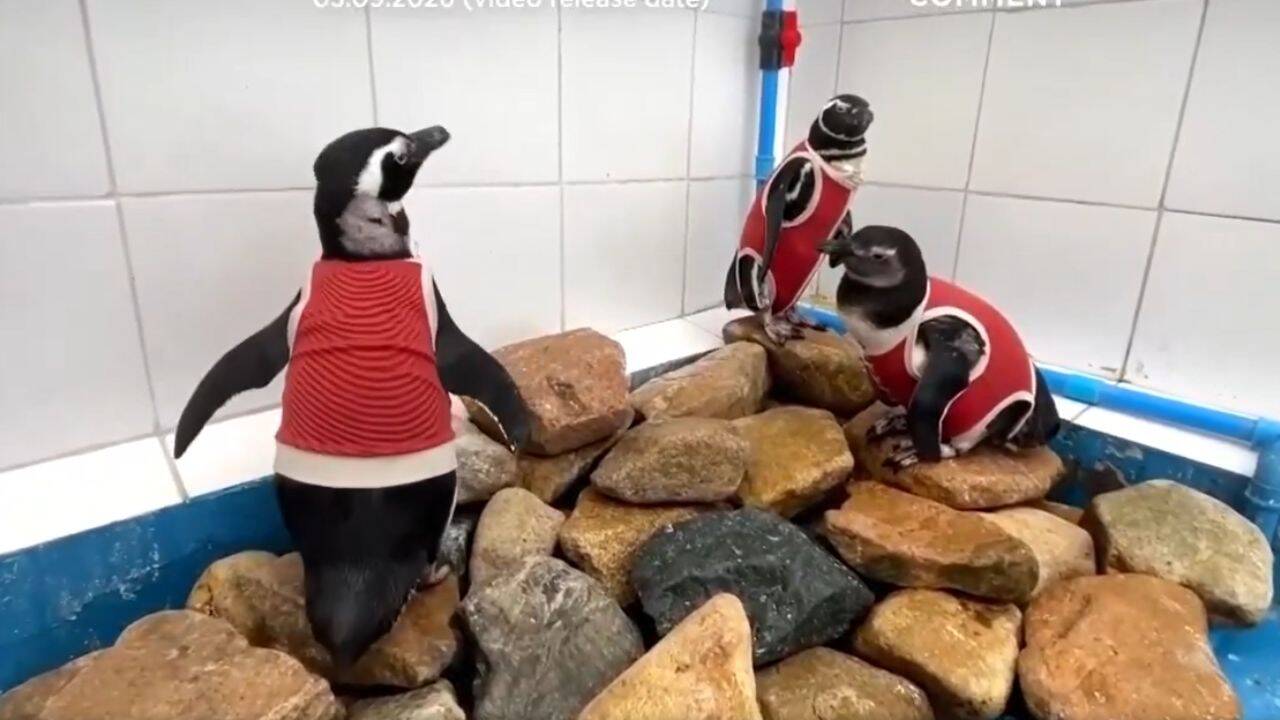
In a unique initiative, researchers in Chile are creating customized vests for injured penguins. These vests are made with copper and zinc, which are known to aid in the healing process. The goal of this project is to support the recovery of injured Humboldt penguins, a species that is struggling to survive.
The vests are designed to prevent further injury to the penguins while they heal. This is achieved by providing a protective layer around their bodies, which reduces the risk of additional harm. The use of copper and zinc in the vests is based on treatments that have been successful for domestic animals.
The Humboldt penguin population is facing significant challenges, and this initiative aims to make a positive impact on their survival. By providing injured penguins with the necessary support and care, researchers hope to increase their chances of recovery and ultimately contribute to the conservation of the species.
The use of technology and innovative materials in the design of the vests is a key aspect of this project. The vests are tailored to fit the penguins' bodies, ensuring a comfortable and secure fit. The copper and zinc used in the vests have antimicrobial properties, which can help to prevent infection and promote healing.
This initiative is an example of the creative and compassionate approaches being taken to support wildlife conservation. By combining technology and animal care, researchers are able to develop innovative solutions to help injured animals recover and thrive.
The project is focused on supporting the Humboldt penguin population, which is found in Chile and other parts of South America. The species is listed as vulnerable, and conservation efforts are necessary to protect them. The use of copper vests is a unique and promising approach to supporting the recovery of injured penguins and contributing to the conservation of the species.
In conclusion, the use of copper vests for injured penguins in Chile is a groundbreaking initiative that showcases the potential for technology and compassion to come together in support of wildlife conservation. As researchers continue to develop and refine this approach, it is likely to have a positive impact on the recovery and survival of injured penguins.
The success of this project could also have implications for the conservation of other species. By developing innovative and effective treatments for injured animals, researchers can contribute to the protection and preservation of vulnerable populations. This initiative is an inspiring example of the creative and compassionate approaches being taken to support wildlife conservation, and it highlights the importance of continued research and innovation in this field.
Overall, the use of copper vests for injured penguins in Chile is a promising development that has the potential to make a positive impact on the conservation of the species. As the project continues to evolve and expand, it is likely to inspire new approaches to wildlife conservation and contribute to the protection of vulnerable populations around the world.
The initiative is a testament to the power of human ingenuity and compassion in supporting the well-being of animals. By working together to develop innovative solutions to real-world problems, researchers and conservationists can make a meaningful difference in the lives of injured and vulnerable animals. The use of copper vests for injured penguins is a shining example of this collaborative approach, and it highlights the importance of continued innovation and research in the field of wildlife conservation.
In the end, the project's success will depend on its ability to support the recovery and survival of injured penguins. If the copper vests are effective in promoting healing and preventing further injury, they could become a valuable tool in the conservation of the Humboldt penguin population. As the project continues to unfold, it will be exciting to see the impact that it has on the species and the wider conservation community.
The conservation of the Humboldt penguin population is a complex and ongoing challenge. The species faces a range of threats, including habitat loss, climate change, and human activities such as fishing and coastal development. The use of copper vests is just one part of a broader conservation effort, and it will be important to continue monitoring the project's progress and evaluating its effectiveness in supporting the recovery of injured penguins.
As the world continues to urbanize and human activities expand, the need for innovative and effective conservation approaches will only continue to grow. The use of copper vests for injured penguins is a promising development that highlights the potential for technology and compassion to come together in support of wildlife conservation. By supporting the recovery and survival of injured animals, researchers and conservationists can make a meaningful difference in the lives of vulnerable populations and contribute to the protection of the natural world.
In the future, it will be exciting to see how the project evolves and expands. The use of copper vests could potentially be applied to other species, and the development of new technologies and materials could lead to even more innovative solutions for supporting wildlife conservation. As the conservation community continues to innovate and adapt, it is likely that we will see new and exciting approaches to supporting the recovery and survival of injured and vulnerable animals.
The project's focus on supporting the Humboldt penguin population is a critical aspect of its success. The species is an important part of the ecosystem in Chile and other parts of South America, and its conservation is essential for maintaining the health and biodiversity of these ecosystems. By supporting the recovery and survival of injured penguins, researchers can contribute to the long-term conservation of the species and the protection of the natural world.
In conclusion, the use of copper vests for injured penguins in Chile is a groundbreaking initiative that showcases the potential for technology and compassion to come together in support of wildlife conservation. The project's success will depend on its ability to support the recovery and survival of injured penguins, and it will be exciting to see the impact that it has on the species and the wider conservation community.
The initiative is an inspiring example of the creative and compassionate approaches being taken to support wildlife conservation. By combining technology and animal care, researchers are able to develop innovative solutions to help injured animals recover and thrive. The use of copper vests is a unique and promising approach to supporting the recovery of injured penguins, and it highlights the importance of continued research and innovation in this field.
The project's impact on the conservation of the Humboldt penguin population will be significant. The species is vulnerable, and conservation efforts are necessary to protect them. The use of copper vests is a valuable tool in the conservation of the species, and it will be important to continue monitoring the project's progress and evaluating its effectiveness in supporting the recovery of injured penguins.
Overall, the use of copper vests for injured penguins in Chile is a promising development that has the potential to make a positive impact on the conservation of the species. The project's success will depend on its ability to support the recovery and survival of injured penguins, and it will be exciting to see the impact that it has on the species and the wider conservation community.
What this initiative means for Mumbai or India is that it highlights the importance of innovative and compassionate approaches to wildlife conservation. While the project is focused on supporting the Humboldt penguin population in Chile, it has implications for conservation efforts around the world, including in India. The use of technology and innovative materials in the design of the vests is a key aspect of the project, and it could potentially be applied to other species in India.
In India, there are many species that are vulnerable or endangered, and conservation efforts are necessary to protect them. The use of copper vests or other innovative approaches could potentially be used to support the recovery and survival of injured animals in India. The project's focus on supporting the Humboldt penguin population is a critical aspect of its success, and it highlights the importance of targeted conservation efforts.
The initiative is an inspiring example of the creative and compassionate approaches being taken to support wildlife conservation. By combining technology and animal care, researchers are able to develop innovative solutions to help injured animals recover and thrive. The use of copper vests is a unique and promising approach to supporting the recovery of injured penguins, and it highlights the importance of continued research and innovation in this field.
In conclusion, the use of copper vests for injured penguins in Chile is a groundbreaking initiative that showcases the potential for technology and compassion to come together in support of wildlife conservation. The project's success will depend on its ability to support the recovery and survival of injured penguins, and it will be exciting to see the impact that it has on the species and the wider conservation community.
The initiative is a testament to the power of human ingenuity and compassion in supporting the well-being of animals. By working together to develop innovative solutions to real-world problems, researchers and conservationists can make a meaningful difference in the lives of injured and vulnerable animals. The use of copper vests for injured penguins is a shining example of this collaborative approach, and it highlights the importance of continued innovation and research in the field of wildlife conservation.
Frequently asked questions
What are the copper vests for penguins made of?
The vests are made with copper and zinc, which have antimicrobial properties to aid in healing and prevent infection.
What is the goal of the copper vest project?
The goal of the project is to support the recovery and survival of injured Humboldt penguins in Chile.