CACR Builds Healthier Habits Among Mumbai Children
CACR educates children on menstrual health and hygiene. The organization has reached over 1.5 lakh girls and 1 lakh children through its initiatives.
'%3E%3Crect%20width%3D'96'%20height%3D'96'%20fill%3D'%23B3261E'%2F%3E%3Ccircle%20cx%3D'30'%20cy%3D'24'%20r%3D'44'%20fill%3D'%23fff'%20opacity%3D'.12'%2F%3E%3Ccircle%20cx%3D'60'%20cy%3D'74'%20r%3D'40'%20fill%3D'%23000'%20opacity%3D'.10'%2F%3E%3C%2Fg%3E%3Cg%20fill%3D'%23fff'%3E%3Crect%20x%3D'29'%20y%3D'49'%20width%3D'8'%20height%3D'19'%20rx%3D'1'%2F%3E%3Crect%20x%3D'39'%20y%3D'40'%20width%3D'9'%20height%3D'28'%20rx%3D'1'%2F%3E%3Crect%20x%3D'50'%20y%3D'45'%20width%3D'8'%20height%3D'23'%20rx%3D'1'%2F%3E%3Crect%20x%3D'60'%20y%3D'53'%20width%3D'7'%20height%3D'15'%20rx%3D'1'%2F%3E%3Crect%20x%3D'41'%20y%3D'34'%20width%3D'5'%20height%3D'6'%2F%3E%3C%2Fg%3E%3C%2Fsvg%3E)
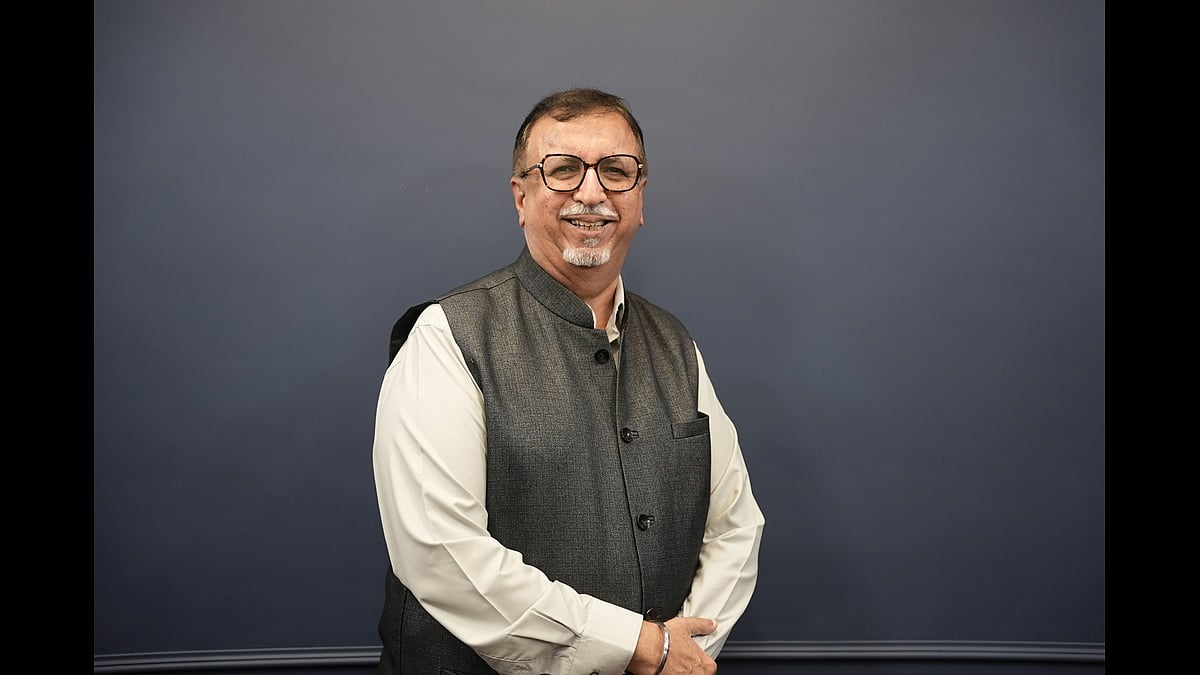
The Citizens Association for Child Rights (CACR) was established in 2013 by Nitin Wadhwani, who was moved by the plight of young girls being banished to menstrual huts in Nepal and India.
CACR works to bridge the gap between government policies and grassroots beneficiaries, focusing on children's education, health, safety, and participation. Two key initiatives of the organization are menstrual health and hygiene, and personal hygiene, including handwashing with soap.
According to Wadhwani, the menstrual hygiene programme was born out of the need to address the silence, myths, and misconceptions surrounding menstruation. He believes that education is crucial in creating lasting behavioral change. With support from UNICEF, CACR has developed a structured programme covering menstruation, reproductive health, myths, and taboos, nutrition, period pain, and related issues.
The organization has reached over 1.5 lakh adolescent girls through its menstrual health and hygiene programme. CACR collaborates with government schools across Mumbai, Thane, and Palghar, benefiting lakhs of students. The sessions are conducted over several weeks, allowing trainers to build trust with students and encourage them to speak openly about their concerns.
CACR also works with teachers, mothers, and school management committees, recognizing that meaningful change requires the support of the larger ecosystem. The same approach underpins its personal hygiene initiative, which began after Wadhwani observed a child leaving a school toilet without washing his hands with soap.
Through interactive and child-friendly sessions, CACR teaches children about the importance of handwashing and how good hygiene can help prevent illnesses. The organization works with students over several months, using games and demonstrations to help healthy practices become habits.
CACR has reached around one lakh children through its personal hygiene programme and has trained nearly a thousand teachers to help reinforce these lessons after the organization's interventions conclude. By educating adolescents today, CACR hopes to create a ripple effect that extends to families and future generations.
The organization's efforts have been supported by UNICEF, with Anand Ghodke, WASH-CCES-DRR Specialist, praising CACR's initiatives. CACR's work is crucial in creating a healthier and more aware generation of children in Mumbai and beyond.
The success of CACR's initiatives can be attributed to its collaborative approach, working with government schools, teachers, and parents to create a supportive ecosystem. By addressing the gaps in awareness and practice, CACR is helping to build healthier habits among children, which will have a lasting impact on their lives and the lives of those around them.
In conclusion, CACR's work in promoting menstrual health and hygiene, and personal hygiene, is vital in creating a healthier and more aware generation of children. The organization's efforts have the potential to create a ripple effect, extending to families and future generations, and contributing to a healthier and more equitable society.
Frequently asked questions
What is CACR and what does it do?
CACR is an organization that works to bridge the gap between government policies and grassroots beneficiaries, focusing on children's education, health, safety, and participation.
What are CACR's key initiatives?
CACR's key initiatives are menstrual health and hygiene, and personal hygiene, including handwashing with soap.