HC Orders Deletion of Man's Name from Quashed FIR Records
Man's name to be deleted from court records, HC upholds right to be forgotten.
'%3E%3Crect%20width%3D'96'%20height%3D'96'%20fill%3D'%23B3261E'%2F%3E%3Ccircle%20cx%3D'30'%20cy%3D'24'%20r%3D'44'%20fill%3D'%23fff'%20opacity%3D'.12'%2F%3E%3Ccircle%20cx%3D'60'%20cy%3D'74'%20r%3D'40'%20fill%3D'%23000'%20opacity%3D'.10'%2F%3E%3C%2Fg%3E%3Cg%20fill%3D'%23fff'%3E%3Crect%20x%3D'29'%20y%3D'49'%20width%3D'8'%20height%3D'19'%20rx%3D'1'%2F%3E%3Crect%20x%3D'39'%20y%3D'40'%20width%3D'9'%20height%3D'28'%20rx%3D'1'%2F%3E%3Crect%20x%3D'50'%20y%3D'45'%20width%3D'8'%20height%3D'23'%20rx%3D'1'%2F%3E%3Crect%20x%3D'60'%20y%3D'53'%20width%3D'7'%20height%3D'15'%20rx%3D'1'%2F%3E%3Crect%20x%3D'41'%20y%3D'34'%20width%3D'5'%20height%3D'6'%2F%3E%3C%2Fg%3E%3C%2Fsvg%3E)
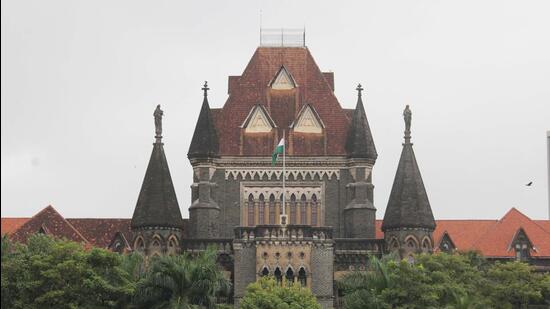
A significant ruling was made by the Bombay High Court, where a division bench comprising justices Urmila Joshi-Phalke and Nivedita Mehta ordered the deletion of a man's name from court records related to a First Information Report (FIR) that was previously quashed.
This decision was made in recognition of the concept of the right to privacy, which encompasses the right to be forgotten. The court's observation highlights the importance of protecting individuals' privacy and reputation, even after a case has been dismissed or quashed.
The right to be forgotten is a concept that has gained significant attention in recent years, particularly with the rise of digital technology and the ease with which information can be accessed and shared. The court's ruling acknowledges that individuals have a right to have their personal information, including records of past legal proceedings, removed from public access.
The bench's decision was based on the understanding that the right to privacy is a fundamental right, and the right to be forgotten is an integral part of it. By ordering the deletion of the man's name from the court records, the court has upheld the individual's right to privacy and dignity.
The Bombay High Court's ruling sets a precedent for similar cases in the future, where individuals may seek to have their names removed from court records related to quashed or dismissed cases. This decision is likely to have significant implications for the way in which court records are maintained and accessed.
In India, the right to privacy has been recognized as a fundamental right, and the Supreme Court has upheld this right in several landmark judgments. The Bombay High Court's ruling is consistent with this approach and reinforces the importance of protecting individuals' privacy and reputation.
The concept of the right to be forgotten has been recognized in several countries, including the European Union, where it is enshrined in the General Data Protection Regulation (GDPR). The GDPR provides individuals with the right to have their personal data erased, including online records and search results.
The Bombay High Court's decision is a significant step forward in recognizing the right to be forgotten in India and highlights the need for a more nuanced approach to the maintenance and accessibility of court records. As the use of technology continues to grow, it is likely that this issue will become increasingly important, and the court's ruling provides a framework for addressing these concerns.
In conclusion, the Bombay High Court's ruling is a significant victory for individuals who have been affected by quashed or dismissed cases and seek to have their names removed from court records. The decision upholds the right to privacy and dignity and sets a precedent for similar cases in the future.
The implications of this ruling are far-reaching and will likely have a significant impact on the way in which court records are maintained and accessed in India. As the country continues to grapple with the challenges of balancing individual privacy with the need for public access to information, the Bombay High Court's decision provides a important guidance on this issue.