Enzyme Reads 8 DNA Letters, Doubling Genetic Alphabet
Breakthrough discovery, Enzyme reads extra DNA letters, Genetic code expanded
'%3E%3Crect%20width%3D'96'%20height%3D'96'%20fill%3D'%23B3261E'%2F%3E%3Ccircle%20cx%3D'30'%20cy%3D'24'%20r%3D'44'%20fill%3D'%23fff'%20opacity%3D'.12'%2F%3E%3Ccircle%20cx%3D'60'%20cy%3D'74'%20r%3D'40'%20fill%3D'%23000'%20opacity%3D'.10'%2F%3E%3C%2Fg%3E%3Cg%20fill%3D'%23fff'%3E%3Crect%20x%3D'29'%20y%3D'49'%20width%3D'8'%20height%3D'19'%20rx%3D'1'%2F%3E%3Crect%20x%3D'39'%20y%3D'40'%20width%3D'9'%20height%3D'28'%20rx%3D'1'%2F%3E%3Crect%20x%3D'50'%20y%3D'45'%20width%3D'8'%20height%3D'23'%20rx%3D'1'%2F%3E%3Crect%20x%3D'60'%20y%3D'53'%20width%3D'7'%20height%3D'15'%20rx%3D'1'%2F%3E%3Crect%20x%3D'41'%20y%3D'34'%20width%3D'5'%20height%3D'6'%2F%3E%3C%2Fg%3E%3C%2Fsvg%3E)
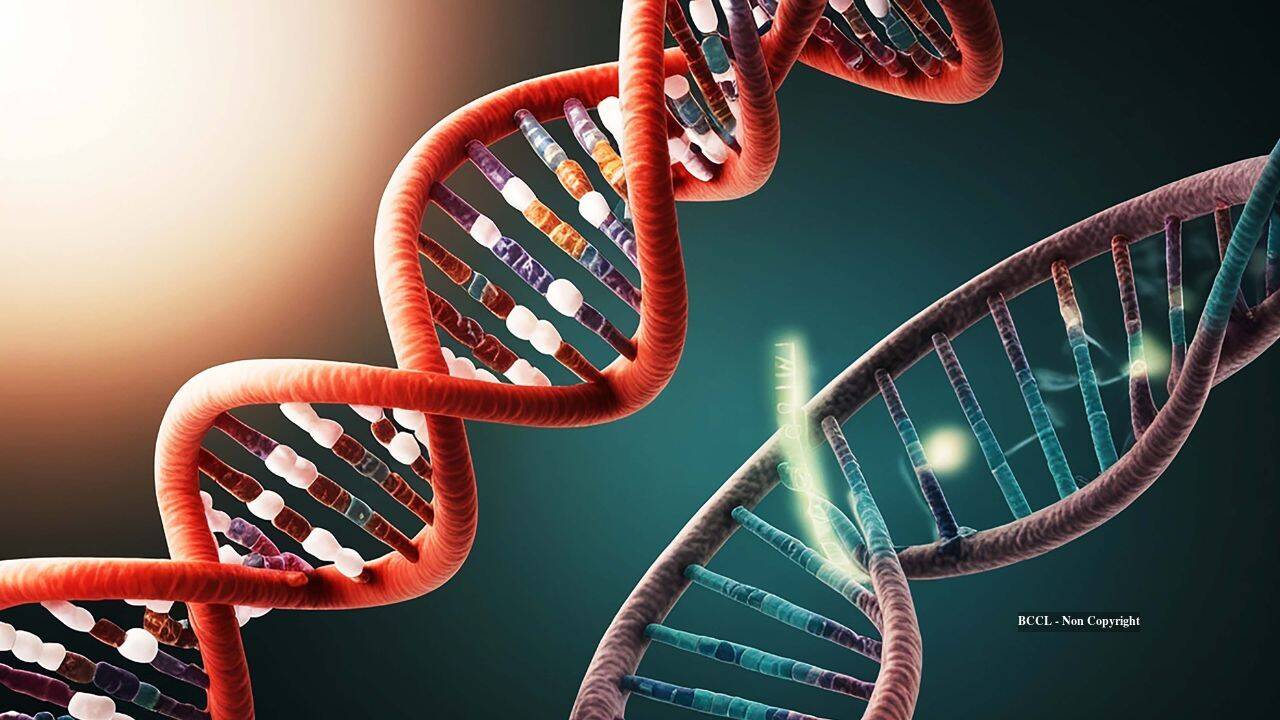
Scientists have made a groundbreaking discovery, showing that an enzyme can read 8 DNA letters, effectively doubling the genetic alphabet. This breakthrough has the potential to significantly impact our understanding of genetics and could lead to new advancements in the field.
The genetic alphabet, which is made up of four letters - A, C, G, and T - is the foundation of all life on Earth. These letters are combined in different sequences to create the genetic code that determines the characteristics of an organism. However, scientists have long been searching for ways to expand this alphabet, allowing for more complex and diverse genetic codes.
The discovery that an enzyme can read 8 DNA letters is a major step forward in this quest. The enzyme, which is capable of reading the additional letters, has the potential to be used in a variety of applications, including the development of new genetic engineering techniques.
The researchers behind the discovery used a combination of advanced technologies, including DNA sequencing and gene editing, to demonstrate the enzyme's ability to read the extra letters. The results of the study show that the enzyme is able to accurately read the 8 DNA letters, paving the way for further research into the potential applications of this technology.
The expansion of the genetic alphabet has significant implications for the field of genetics. It could allow for the creation of new genetic codes that are more complex and diverse, leading to new possibilities for genetic engineering and synthetic biology. Additionally, the discovery could also lead to a greater understanding of the fundamental principles of genetics, allowing scientists to better understand how the genetic code is used to create the characteristics of an organism.
The discovery is also likely to have significant implications for the development of new technologies, including genetic engineering and gene editing. The ability to read and write the genetic code with greater precision and complexity could lead to new breakthroughs in fields such as medicine and agriculture.
In the future, researchers are likely to explore the potential applications of this technology, including the development of new genetic engineering techniques and the creation of new genetic codes. The discovery of an enzyme that can read 8 DNA letters is a major step forward in this quest, and is likely to have significant implications for the field of genetics and beyond.
The breakthrough discovery has the potential to revolutionize our understanding of genetics and could lead to new advancements in the field. As researchers continue to explore the potential applications of this technology, it is likely that we will see significant breakthroughs in the coming years.
In conclusion, the discovery that an enzyme can read 8 DNA letters, doubling the genetic alphabet, is a major breakthrough with significant implications for the field of genetics. The potential applications of this technology are vast, and researchers are likely to continue exploring the possibilities in the coming years.
Frequently asked questions
What is the current genetic alphabet made up of?
The current genetic alphabet is made up of four letters - A, C, G, and T.
What are the potential applications of an enzyme that can read 8 DNA letters?
The potential applications include the development of new genetic engineering techniques, the creation of new genetic codes, and advancements in fields such as medicine and agriculture.