USCIS Reaches H-1B Visa Cap For 2027
No more lottery rounds for FY 2027. Both regular and master's caps met.
'%3E%3Crect%20width%3D'96'%20height%3D'96'%20fill%3D'%23C2185B'%2F%3E%3Ccircle%20cx%3D'30'%20cy%3D'24'%20r%3D'44'%20fill%3D'%23fff'%20opacity%3D'.12'%2F%3E%3Ccircle%20cx%3D'60'%20cy%3D'74'%20r%3D'40'%20fill%3D'%23000'%20opacity%3D'.10'%2F%3E%3C%2Fg%3E%3Cpath%20fill%3D'%23fff'%20d%3D'M48%2031%20l4.6%2010.2%2011.2%201%20-8.4%207.5%202.5%2011%20-9.9%20-5.8%20-9.9%205.8%202.5%20-11%20-8.4%20-7.5%2011.2%20-1%20z'%2F%3E%3C%2Fsvg%3E)
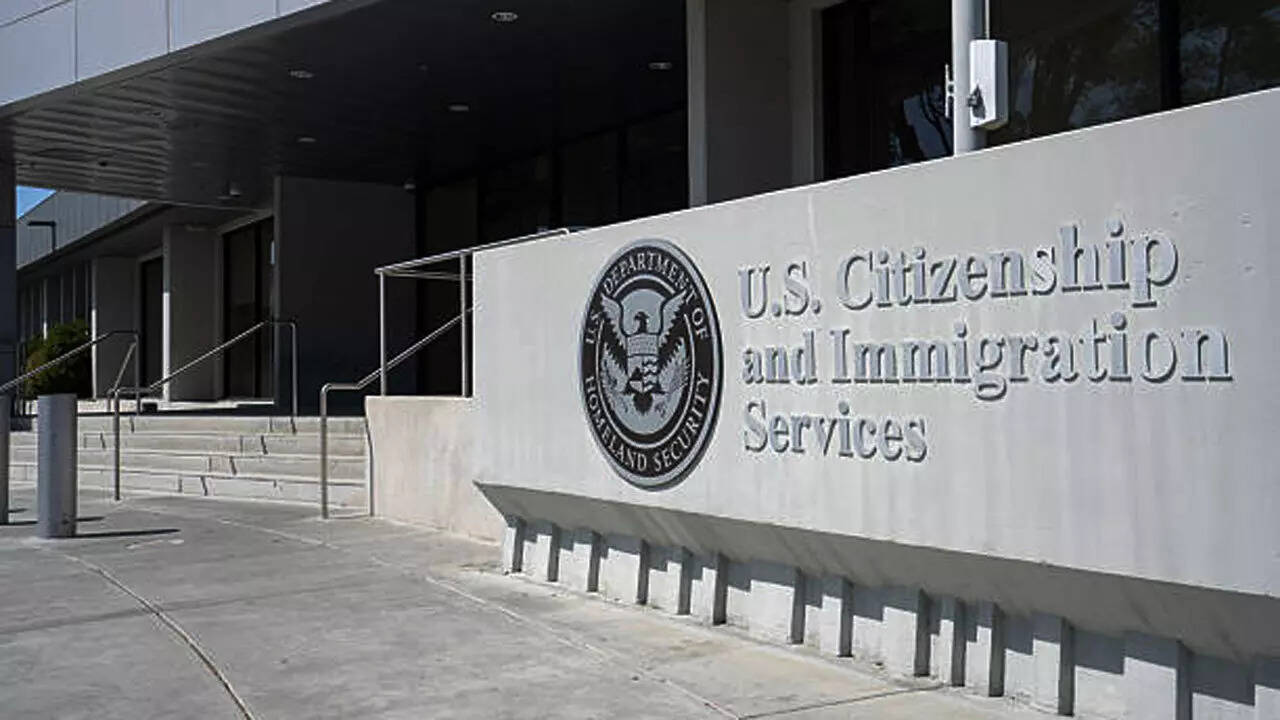
The U.S. Citizenship and Immigration Services (USCIS) has announced that it has reached its H-1B visa cap for Fiscal Year 2027. This means that no additional lottery rounds will be held for the upcoming fiscal year.
The agency confirmed that both the regular cap and the master's cap have been met, marking the end of the registration process for this year.
Fiscal Year 2027 saw significant changes to the H-1B visa registration process, including the introduction of a wage-based lottery system. This new system aimed to prioritize higher-paying jobs and reduce the reliance on random chance.
Another change that affected the registration process was the introduction of a new petition fee, which may have influenced the number of employer registrations this year.
The H-1B visa program is a popular route for foreign workers, particularly from India, to work in the United States. The program allows U.S. employers to temporarily employ foreign workers in specialty occupations.
The master's cap, which is a subset of the H-1B visa program, is reserved for individuals who hold a master's degree or higher from a U.S. institution. This cap is typically reached quickly, and the fact that it has been met for FY 2027 is not surprising.
The regular cap, on the other hand, is open to all applicants, regardless of their educational background. The fact that this cap has also been met indicates a high level of demand for H-1B visas.
The USCIS typically receives a large number of applications for H-1B visas, and the lottery system is used to randomly select applicants who will be granted visas. The fact that no additional lottery rounds will be held for FY 2027 means that applicants who were not selected in the initial round will not have another chance to apply.
The H-1B visa program is an important part of the U.S. immigration system, and changes to the program can have significant impacts on employers and foreign workers. The introduction of a wage-based lottery system and the new petition fee are likely to have far-reaching consequences for the program.
In terms of what this means for India, the H-1B visa program is a critical route for Indian workers to gain employment in the United States. The fact that the cap has been met for FY 2027 may mean that fewer Indian workers will be able to secure H-1B visas, which could have implications for the Indian economy and the U.S.-India relationship.
Overall, the announcement by the USCIS that it has reached its H-1B visa cap for FY 2027 is significant, and it will likely have important implications for employers, foreign workers, and the U.S. immigration system as a whole.