Neville D'Souza Ground Reservation Status Changed
Outrage sparks over reservation change, affecting land allocation and open spaces
'%3E%3Crect%20width%3D'96'%20height%3D'96'%20fill%3D'%23B3261E'%2F%3E%3Ccircle%20cx%3D'30'%20cy%3D'24'%20r%3D'44'%20fill%3D'%23fff'%20opacity%3D'.12'%2F%3E%3Ccircle%20cx%3D'60'%20cy%3D'74'%20r%3D'40'%20fill%3D'%23000'%20opacity%3D'.10'%2F%3E%3C%2Fg%3E%3Cg%20fill%3D'%23fff'%3E%3Crect%20x%3D'29'%20y%3D'49'%20width%3D'8'%20height%3D'19'%20rx%3D'1'%2F%3E%3Crect%20x%3D'39'%20y%3D'40'%20width%3D'9'%20height%3D'28'%20rx%3D'1'%2F%3E%3Crect%20x%3D'50'%20y%3D'45'%20width%3D'8'%20height%3D'23'%20rx%3D'1'%2F%3E%3Crect%20x%3D'60'%20y%3D'53'%20width%3D'7'%20height%3D'15'%20rx%3D'1'%2F%3E%3Crect%20x%3D'41'%20y%3D'34'%20width%3D'5'%20height%3D'6'%2F%3E%3C%2Fg%3E%3C%2Fsvg%3E)
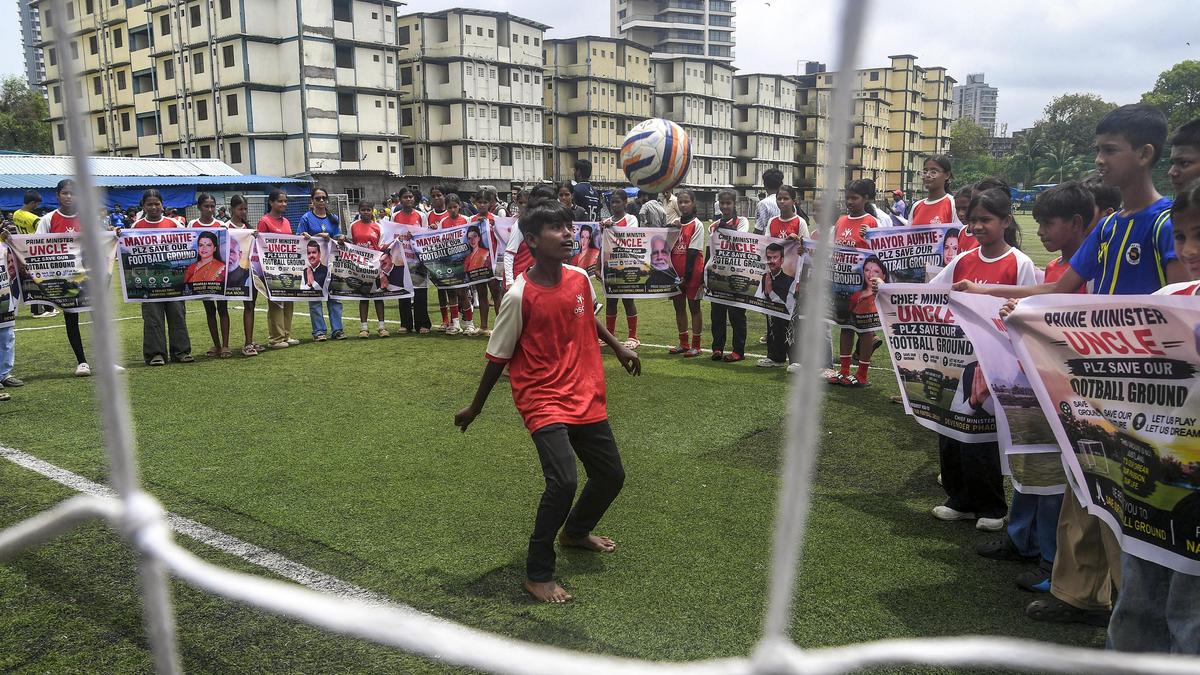
The Neville D'Souza football ground in Mumbai has been at the center of controversy after its reservation status was changed.
The reservation status of a land parcel determines how it is allocated for infrastructure and open spaces in the Development Plan, based on the area's population density.
This change has sparked outrage among locals and football enthusiasts, who are concerned about the potential loss of open space and the impact on the community.
The Development Plan is a comprehensive document that outlines the city's infrastructure and development priorities.
It takes into account the population density of an area to determine the allocation of land for various purposes, including open spaces, roads, and public facilities.
The reservation status of a land parcel is a critical factor in this process, as it determines how the land will be used.
In the case of the Neville D'Souza football ground, the change in reservation status could potentially lead to the loss of a valuable open space.
The city's population density is a key consideration in the Development Plan, as it affects the demand for infrastructure and services.
The plan aims to balance the needs of different communities and ensure that everyone has access to basic amenities and open spaces.
However, the change in reservation status of the Neville D'Souza football ground has raised concerns about the city's commitment to preserving open spaces.
The community is worried that the change could lead to the ground being used for other purposes, such as construction or commercial development.
The controversy surrounding the Neville D'Souza football ground highlights the importance of preserving open spaces in urban areas.
Open spaces like parks, gardens, and playgrounds are essential for the well-being and quality of life of city residents.
They provide a space for recreation, socialization, and relaxation, and are critical for maintaining the city's environmental sustainability.
The loss of open spaces can have severe consequences, including increased pollution, decreased air quality, and reduced opportunities for physical activity.
In the context of Mumbai, the preservation of open spaces is particularly important due to the city's high population density.
The city's residents need access to open spaces to maintain their physical and mental health, and to mitigate the effects of urbanization.
The controversy surrounding the Neville D'Souza football ground is a reminder of the need for careful planning and management of urban spaces.
It highlights the importance of balancing development priorities with the needs of local communities and the environment.
Ultimately, the change in reservation status of the Neville D'Souza football ground has significant implications for the city's open spaces and the community that uses them.
It is essential to ensure that the city's development priorities are aligned with the needs of its residents and the environment, to create a sustainable and livable urban space.
Frequently asked questions
What is the Development Plan and how does it affect land allocation?
The Development Plan is a comprehensive document that outlines the city's infrastructure and development priorities, allocating land based on population density.
Why is the Neville D'Souza football ground reservation change controversial?
The change in reservation status could lead to the loss of a valuable open space, sparking outrage among locals and football enthusiasts.