Sarah Baartman Returns Home After 192 Years
Sarah Baartman, the 'Hottentot Venus', has been repatriated to South Africa. Her life was marked by colonial exploitation and violence.
'%3E%3Crect%20width%3D'96'%20height%3D'96'%20fill%3D'%23C2185B'%2F%3E%3Ccircle%20cx%3D'30'%20cy%3D'24'%20r%3D'44'%20fill%3D'%23fff'%20opacity%3D'.12'%2F%3E%3Ccircle%20cx%3D'60'%20cy%3D'74'%20r%3D'40'%20fill%3D'%23000'%20opacity%3D'.10'%2F%3E%3C%2Fg%3E%3Cpath%20fill%3D'%23fff'%20d%3D'M48%2031%20l4.6%2010.2%2011.2%201%20-8.4%207.5%202.5%2011%20-9.9%20-5.8%20-9.9%205.8%202.5%20-11%20-8.4%20-7.5%2011.2%20-1%20z'%2F%3E%3C%2Fsvg%3E)
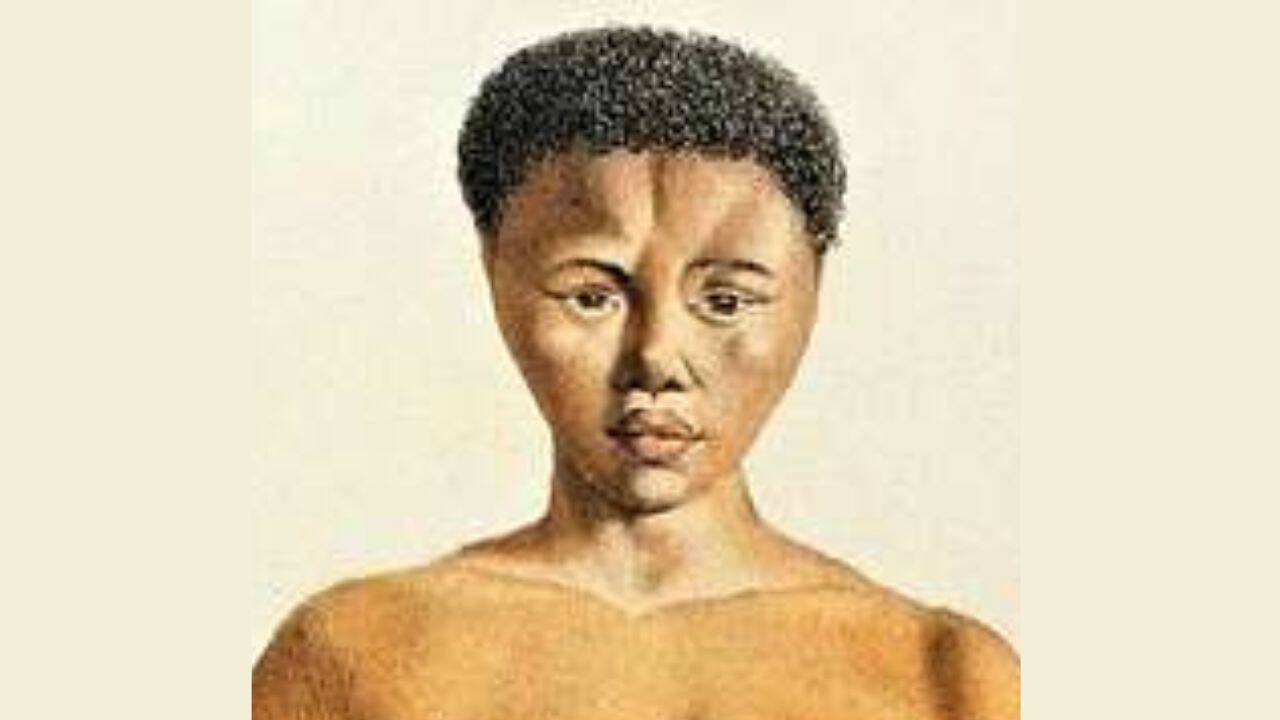
Sarah Baartman, a woman from South Africa, was subjected to extreme colonial violence and exploitation during her lifetime. Born in the late 18th century, Baartman was taken to Europe where she was exhibited as a curiosity, dubbed the 'Hottentot Venus'. This was a result of the voyeuristic fascination with her body, which was deemed 'exotic' by the Europeans.
Her life was one of immense struggle and hardship, as she was paraded in front of crowds, who would gawk at her physique. After her death, French scientists further exploited her body, conducting studies that would later fuel racist narratives about the supposed 'inferiority' of certain races. The remains of Sarah Baartman were kept in a French museum for nearly two centuries, serving as a grim reminder of the dark history of colonialism.
It was not until recently that Baartman's remains were finally repatriated to her home country of South Africa. This move has been seen as a significant step towards justice and remembrance for the woman who was exploited and mistreated by colonial powers. The story of Sarah Baartman serves as a powerful reminder of the brutal history of colonialism and the ongoing struggle for justice and equality.
Baartman's life and legacy have been the subject of much discussion and debate in recent years, with many calling for greater recognition of the injustices she faced. Her repatriation to South Africa has been hailed as a major victory for those seeking to right the wrongs of the past. The return of Baartman's remains to her homeland has also sparked a renewed conversation about the need for greater awareness and understanding of the history of colonialism and its ongoing impact on communities around the world.
The exploitation of Sarah Baartman's body, both in life and in death, is a stark reminder of the ways in which colonial powers sought to control and dominate the bodies of indigenous and marginalized peoples. Her story is one of resistance and survival, and serves as a powerful emblem of the ongoing struggle for justice and equality.
In the context of South Africa's complex and often painful history, the repatriation of Sarah Baartman's remains is a significant step towards healing and reconciliation. It is a recognition of the injustices of the past and a commitment to working towards a more just and equitable future. The story of Sarah Baartman will continue to serve as a powerful reminder of the need for ongoing vigilance and activism in the pursuit of justice and human rights.
The return of Baartman's remains to South Africa has also highlighted the need for greater awareness and understanding of the history of colonialism and its ongoing impact on communities around the world. It is a reminder that the legacy of colonialism continues to be felt today, and that ongoing efforts are needed to address the injustices of the past and to work towards a more just and equitable future.
In conclusion, the story of Sarah Baartman is one of immense significance, serving as a powerful reminder of the brutal history of colonialism and the ongoing struggle for justice and equality. Her repatriation to South Africa is a major step towards justice and remembrance, and highlights the need for ongoing awareness and activism in the pursuit of human rights.