E Coli Found in Mumbai Drinking Water
E coli bacteria detected in water, railway stations lack basic facilities.
'%3E%3Crect%20width%3D'96'%20height%3D'96'%20fill%3D'%23B3261E'%2F%3E%3Ccircle%20cx%3D'30'%20cy%3D'24'%20r%3D'44'%20fill%3D'%23fff'%20opacity%3D'.12'%2F%3E%3Ccircle%20cx%3D'60'%20cy%3D'74'%20r%3D'40'%20fill%3D'%23000'%20opacity%3D'.10'%2F%3E%3C%2Fg%3E%3Cg%20fill%3D'%23fff'%3E%3Crect%20x%3D'29'%20y%3D'49'%20width%3D'8'%20height%3D'19'%20rx%3D'1'%2F%3E%3Crect%20x%3D'39'%20y%3D'40'%20width%3D'9'%20height%3D'28'%20rx%3D'1'%2F%3E%3Crect%20x%3D'50'%20y%3D'45'%20width%3D'8'%20height%3D'23'%20rx%3D'1'%2F%3E%3Crect%20x%3D'60'%20y%3D'53'%20width%3D'7'%20height%3D'15'%20rx%3D'1'%2F%3E%3Crect%20x%3D'41'%20y%3D'34'%20width%3D'5'%20height%3D'6'%2F%3E%3C%2Fg%3E%3C%2Fsvg%3E)
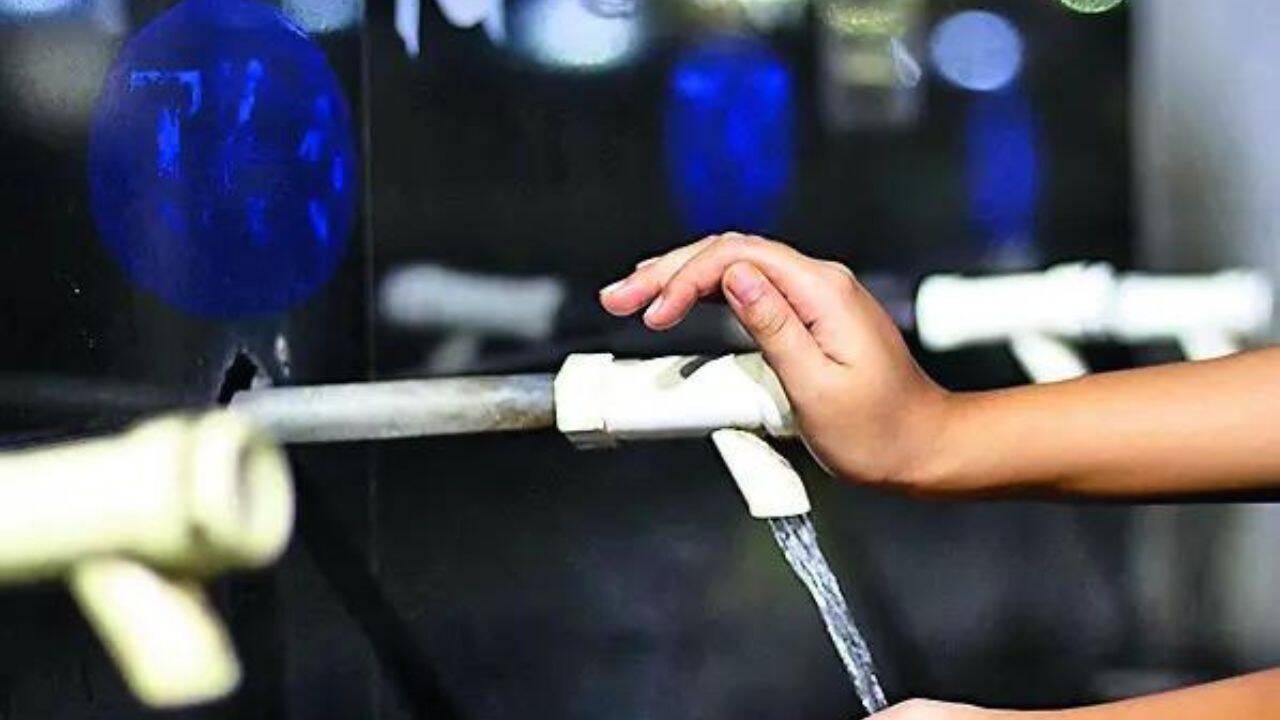
A recent report by the Comptroller and Auditor General (CAG) has revealed that E coli bacteria were found in the drinking water supply in certain areas of Mumbai. This discovery raises concerns about the safety and quality of the water being consumed by the city's residents. The CAG report also highlighted the lack of basic facilities at railway stations in Mumbai, which is a major cause for concern given the large number of commuters who use these stations daily.
The presence of E coli in drinking water is a serious issue, as it can cause a range of health problems, including diarrhea, urinary tract infections, and pneumonia. The CAG report did not specify which areas of Mumbai were affected, but it emphasized the need for immediate action to ensure the water supply is safe for consumption.
The report also criticized the condition of railway stations in Mumbai, stating that many lack basic facilities such as clean drinking water, toilets, and waiting rooms. This is despite the fact that millions of people use these stations every day, making them some of the busiest in the country.
The CAG report is a wake-up call for the authorities to take immediate action to address these issues. The Mumbai civic authorities and railway officials must work together to ensure that the water supply is safe and that railway stations have basic facilities to cater to the needs of commuters.
Mumbai is one of the most populous cities in the world, and it is essential that the authorities prioritize the health and well-being of its residents. The discovery of E coli in drinking water and the lack of basic facilities at railway stations are just two examples of the many challenges that the city faces.
In recent years, Mumbai has experienced significant growth and development, but this has also put a strain on the city's infrastructure. The authorities must ensure that they are able to keep up with the demands of a growing population and provide basic amenities such as safe drinking water and decent public facilities.
The CAG report has highlighted the need for urgent action to address these issues. It is now up to the authorities to take the necessary steps to ensure that the water supply is safe and that railway stations have the basic facilities that commuters need.
In conclusion, the discovery of E coli in drinking water and the lack of basic facilities at railway stations are serious issues that need to be addressed immediately. The authorities must take urgent action to ensure the health and well-being of Mumbai's residents and commuters.
The city's residents and commuters have a right to expect basic amenities such as safe drinking water and decent public facilities. It is the responsibility of the authorities to ensure that these needs are met, and it is essential that they take the necessary steps to address these issues as soon as possible.
The CAG report is a reminder that there is still much work to be done to improve the quality of life for Mumbai's residents and commuters. The authorities must take the report's findings seriously and work towards providing a better quality of life for all.
What it means for Mumbai is that the city's authorities need to take immediate action to address the issues highlighted in the CAG report. This includes ensuring that the water supply is safe and that railway stations have basic facilities. It is essential that the authorities prioritize the health and well-being of the city's residents and commuters and take the necessary steps to provide them with the basic amenities they need.
Frequently asked questions
What is E coli and how does it affect human health?
E coli is a type of bacteria that can cause a range of health problems, including diarrhea, urinary tract infections, and pneumonia.
What are the authorities doing to address the issues highlighted in the CAG report?
The authorities must take immediate action to ensure the water supply is safe and that railway stations have basic facilities, but the report does not specify what actions are being taken.