Humans, Dogs Bonded 12,000 Years Ago
Ancient dogs in Alaska shared salmon with humans, new findings show. This unique partnership dates back 12,000 years.
'%3E%3Crect%20width%3D'96'%20height%3D'96'%20fill%3D'%23B3261E'%2F%3E%3Ccircle%20cx%3D'30'%20cy%3D'24'%20r%3D'44'%20fill%3D'%23fff'%20opacity%3D'.12'%2F%3E%3Ccircle%20cx%3D'60'%20cy%3D'74'%20r%3D'40'%20fill%3D'%23000'%20opacity%3D'.10'%2F%3E%3C%2Fg%3E%3Cg%20fill%3D'%23fff'%3E%3Crect%20x%3D'29'%20y%3D'49'%20width%3D'8'%20height%3D'19'%20rx%3D'1'%2F%3E%3Crect%20x%3D'39'%20y%3D'40'%20width%3D'9'%20height%3D'28'%20rx%3D'1'%2F%3E%3Crect%20x%3D'50'%20y%3D'45'%20width%3D'8'%20height%3D'23'%20rx%3D'1'%2F%3E%3Crect%20x%3D'60'%20y%3D'53'%20width%3D'7'%20height%3D'15'%20rx%3D'1'%2F%3E%3Crect%20x%3D'41'%20y%3D'34'%20width%3D'5'%20height%3D'6'%2F%3E%3C%2Fg%3E%3C%2Fsvg%3E)
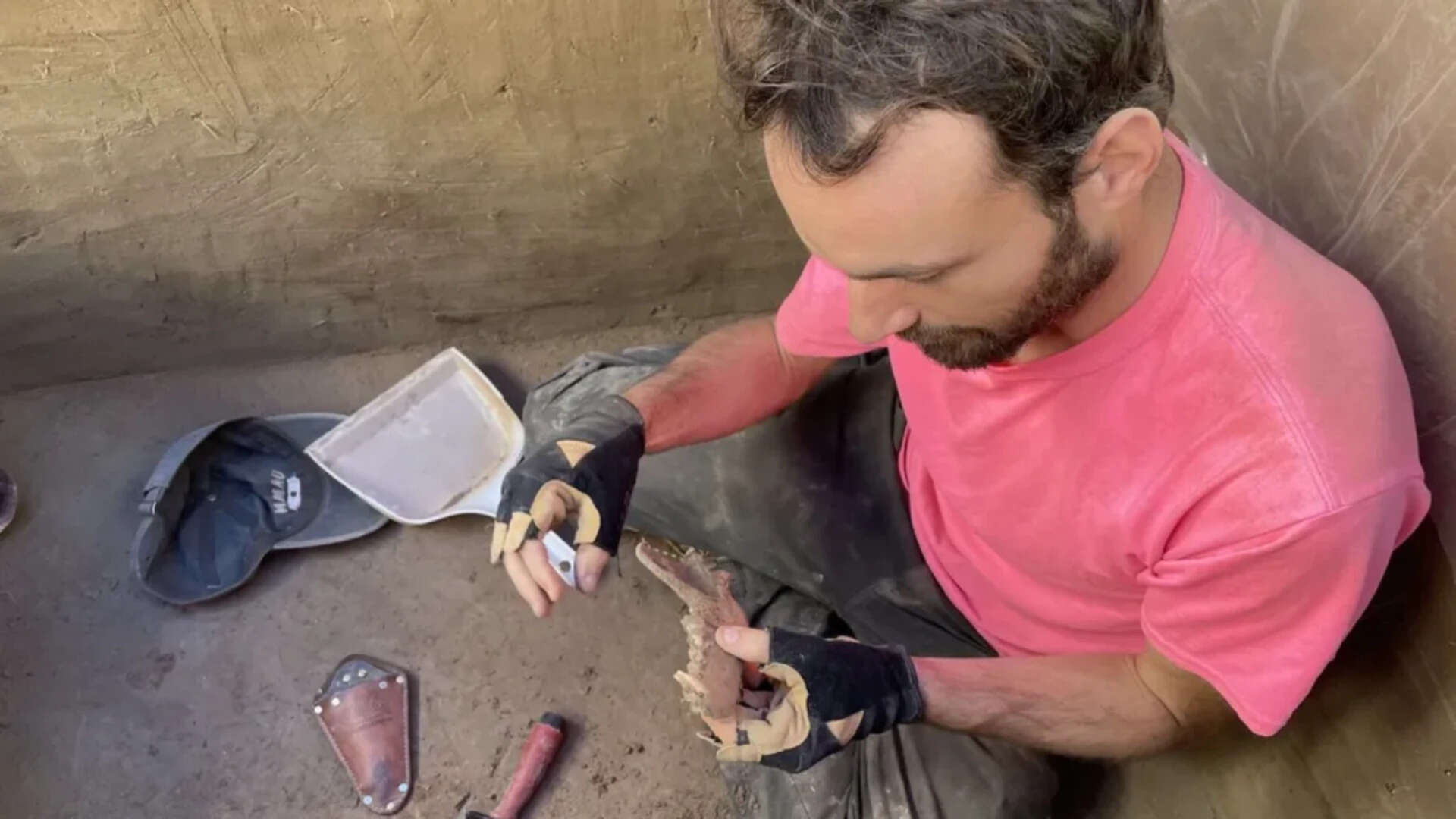
A groundbreaking discovery has revealed that humans and dogs formed a unique bond 12,000 years ago in Alaska. This ancient partnership was centered around the sharing of salmon, which was a staple food source for both humans and dogs.
The findings, based on the analysis of fossilized bones, suggest that early dogs in Alaska had a diet rich in fish, particularly salmon. This discovery has significant implications for our understanding of the domestication of wolves and the evolving dynamics between humans and dogs in the Americas.
Researchers have long been fascinated by the process of wolf domestication, and this new evidence sheds light on the complex history of human-canine interactions. The fact that ancient dogs were sharing food with humans suggests a level of cooperation and mutualism that is rare in the animal kingdom.
The discovery was made possible by the analysis of fossilized bones found in Alaska, which revealed a diet rich in fish. This is significant because it suggests that early dogs were not solely dependent on humans for food, but were also able to hunt and gather their own food sources.
The partnership between humans and dogs in Alaska 12,000 years ago is a testament to the complex and nuanced history of human-canine interactions. It highlights the importance of cooperation and mutualism in the development of human societies and the domestication of animals.
The findings also have implications for our understanding of the migration patterns of early humans and dogs in the Americas. The fact that dogs were able to thrive in Alaska 12,000 years ago suggests that they were able to adapt to new environments and form partnerships with humans in a variety of contexts.
In conclusion, the discovery of the ancient partnership between humans and dogs in Alaska is a significant one, shedding light on the complex history of human-canine interactions and the domestication of wolves. It highlights the importance of cooperation and mutualism in the development of human societies and the adaptability of dogs in a variety of environments.
The study of human-canine interactions is an ongoing one, and this new evidence is sure to spark further research and debate. As we continue to learn more about the history of humans and dogs, we are reminded of the complex and nuanced nature of our relationships with animals and the importance of cooperation and mutualism in the development of human societies.
Overall, the discovery of the 12,000-year-old partnership between humans and dogs in Alaska is a fascinating one, highlighting the complex and evolving dynamics between humans and animals. It is a testament to the power of cooperation and mutualism and the importance of understanding the complex history of human-canine interactions.
The significance of this discovery extends beyond the realm of science, highlighting the importance of preserving and protecting our cultural and natural heritage. As we continue to learn more about the history of humans and dogs, we are reminded of the importance of responsible animal ownership and the need to protect and preserve the natural environments that support human and animal life.
In the end, the story of the ancient partnership between humans and dogs in Alaska is one of cooperation, mutualism, and adaptability. It is a testament to the complex and nuanced nature of human-canine interactions and the importance of understanding and preserving our cultural and natural heritage.