Govt May Form JPC for FCRA Bill
Govt hints at forming JPC, opposition demands rollback
'%3E%3Crect%20width%3D'96'%20height%3D'96'%20fill%3D'%231A5276'%2F%3E%3Ccircle%20cx%3D'30'%20cy%3D'24'%20r%3D'44'%20fill%3D'%23fff'%20opacity%3D'.12'%2F%3E%3Ccircle%20cx%3D'60'%20cy%3D'74'%20r%3D'40'%20fill%3D'%23000'%20opacity%3D'.10'%2F%3E%3C%2Fg%3E%3Cg%20fill%3D'%23fff'%3E%3Cpath%20d%3D'M31%2041%20L48%2031%20L65%2041%20Z'%2F%3E%3Crect%20x%3D'33'%20y%3D'43'%20width%3D'4'%20height%3D'17'%2F%3E%3Crect%20x%3D'41'%20y%3D'43'%20width%3D'4'%20height%3D'17'%2F%3E%3Crect%20x%3D'51'%20y%3D'43'%20width%3D'4'%20height%3D'17'%2F%3E%3Crect%20x%3D'59'%20y%3D'43'%20width%3D'4'%20height%3D'17'%2F%3E%3Crect%20x%3D'30'%20y%3D'62'%20width%3D'36'%20height%3D'4'%20rx%3D'1'%2F%3E%3C%2Fg%3E%3C%2Fsvg%3E)
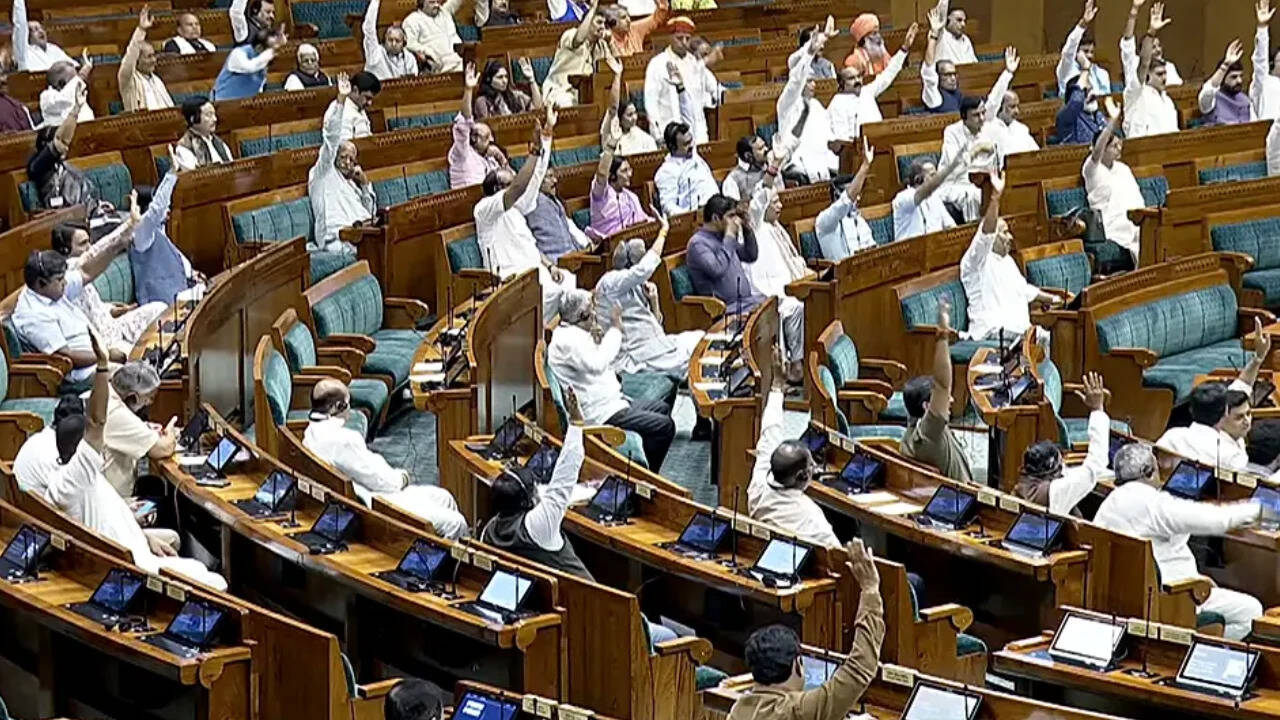
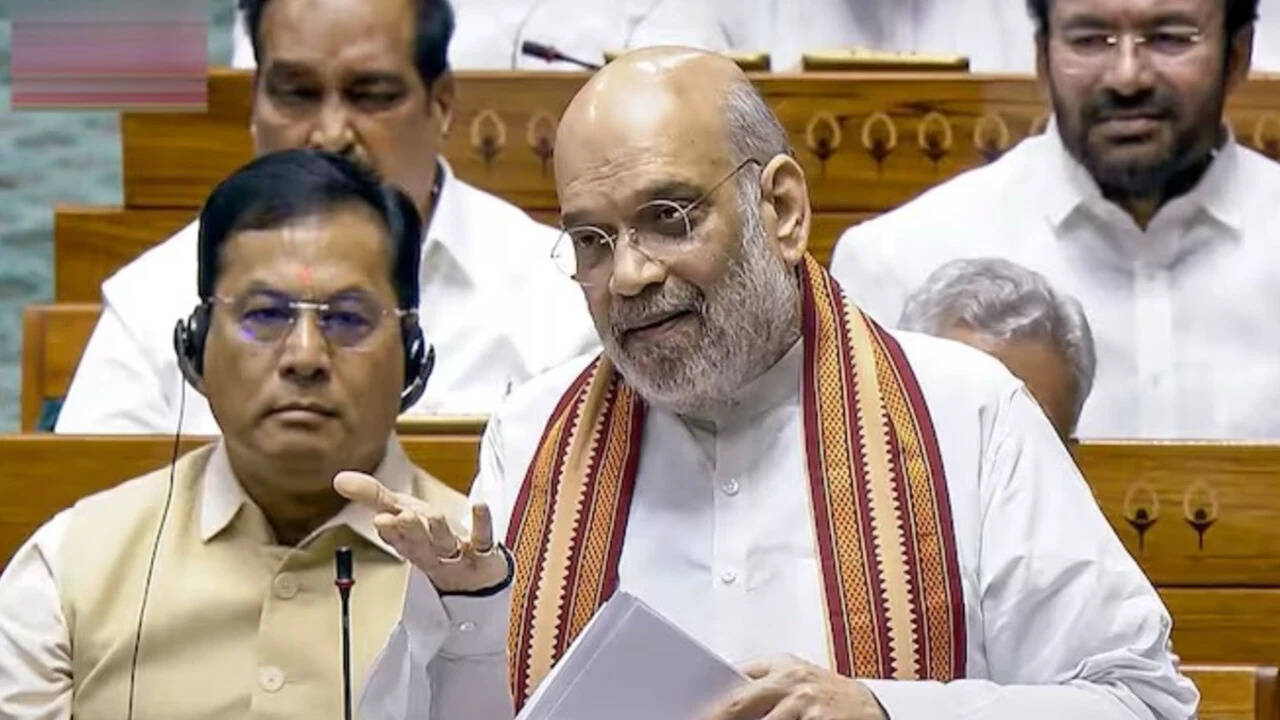
The government has hinted at forming a Joint Parliamentary Committee (JPC) to examine the Foreign Contribution (Regulation) Amendment Bill, 2020. This move comes after opposition parties have been demanding a total rollback of the bill.
The FCRA Bill has been a subject of controversy, with opposition parties alleging that it will hinder the functioning of non-governmental organizations (NGOs) in the country. The government, however, maintains that the bill is aimed at strengthening the regulatory framework for foreign contributions.
The opposition parties have been vocal about their demands, stating that the bill will have a negative impact on the social sector. They have also alleged that the bill is an attempt to suppress dissenting voices.
The government's hint at forming a JPC has been seen as a move to placate the opposition parties. A JPC is a parliamentary committee that comprises members from both the Lok Sabha and the Rajya Sabha. It is formed to examine a specific bill or issue and submit a report to the parliament.
The FCRA Bill was introduced in the Lok Sabha in September 2020 and was passed by the house in the same month. However, it has been pending in the Rajya Sabha since then. The opposition parties have been blocking the passage of the bill, demanding that it be sent to a select committee or a JPC for further examination.
The government's decision to form a JPC, if it materializes, is likely to be seen as a compromise. However, it remains to be seen whether the opposition parties will accept this offer or continue to demand a total rollback of the bill.
The FCRA Bill has been a subject of debate, with many NGOs and civil society organizations expressing concerns about its provisions. The bill aims to regulate foreign contributions to NGOs and other organizations in the country. However, the opposition parties have alleged that it will give the government excessive powers to regulate NGOs.
In the context of Indian politics, the FCRA Bill is significant as it reflects the government's approach to regulating NGOs and foreign contributions. The bill has been seen as a part of the government's efforts to strengthen national security and prevent money laundering.
The outcome of the government's decision to form a JPC, if it happens, will be crucial in determining the fate of the FCRA Bill. It remains to be seen whether the opposition parties will accept the government's offer or continue to demand a total rollback of the bill.
The implications of the FCRA Bill are far-reaching, and its passage or rejection will have a significant impact on the social sector in India. The government's decision to form a JPC, if it materializes, will be a significant development in the ongoing debate over the bill.
In conclusion, the government's hint at forming a JPC for the FCRA Bill is a significant development in the ongoing debate over the bill. The opposition parties have been demanding a total rollback of the bill, and it remains to be seen whether the government's offer will be accepted. The fate of the FCRA Bill will have a significant impact on the social sector in India, and its outcome will be closely watched by NGOs, civil society organizations, and the general public.
Frequently asked questions
What is the FCRA Bill about?
The FCRA Bill aims to regulate foreign contributions to NGOs and other organizations in India.
Why are opposition parties opposing the FCRA Bill?
Opposition parties allege that the bill will hinder the functioning of NGOs and give the government excessive powers to regulate them.