Mumbai Sees 11.4% Rise in Malaria Cases
Malaria cases surge, H1N1 increases fourfold, while dengue and Covid decline.
'%3E%3Crect%20width%3D'96'%20height%3D'96'%20fill%3D'%23B3261E'%2F%3E%3Ccircle%20cx%3D'30'%20cy%3D'24'%20r%3D'44'%20fill%3D'%23fff'%20opacity%3D'.12'%2F%3E%3Ccircle%20cx%3D'60'%20cy%3D'74'%20r%3D'40'%20fill%3D'%23000'%20opacity%3D'.10'%2F%3E%3C%2Fg%3E%3Cg%20fill%3D'%23fff'%3E%3Crect%20x%3D'29'%20y%3D'49'%20width%3D'8'%20height%3D'19'%20rx%3D'1'%2F%3E%3Crect%20x%3D'39'%20y%3D'40'%20width%3D'9'%20height%3D'28'%20rx%3D'1'%2F%3E%3Crect%20x%3D'50'%20y%3D'45'%20width%3D'8'%20height%3D'23'%20rx%3D'1'%2F%3E%3Crect%20x%3D'60'%20y%3D'53'%20width%3D'7'%20height%3D'15'%20rx%3D'1'%2F%3E%3Crect%20x%3D'41'%20y%3D'34'%20width%3D'5'%20height%3D'6'%2F%3E%3C%2Fg%3E%3C%2Fsvg%3E)
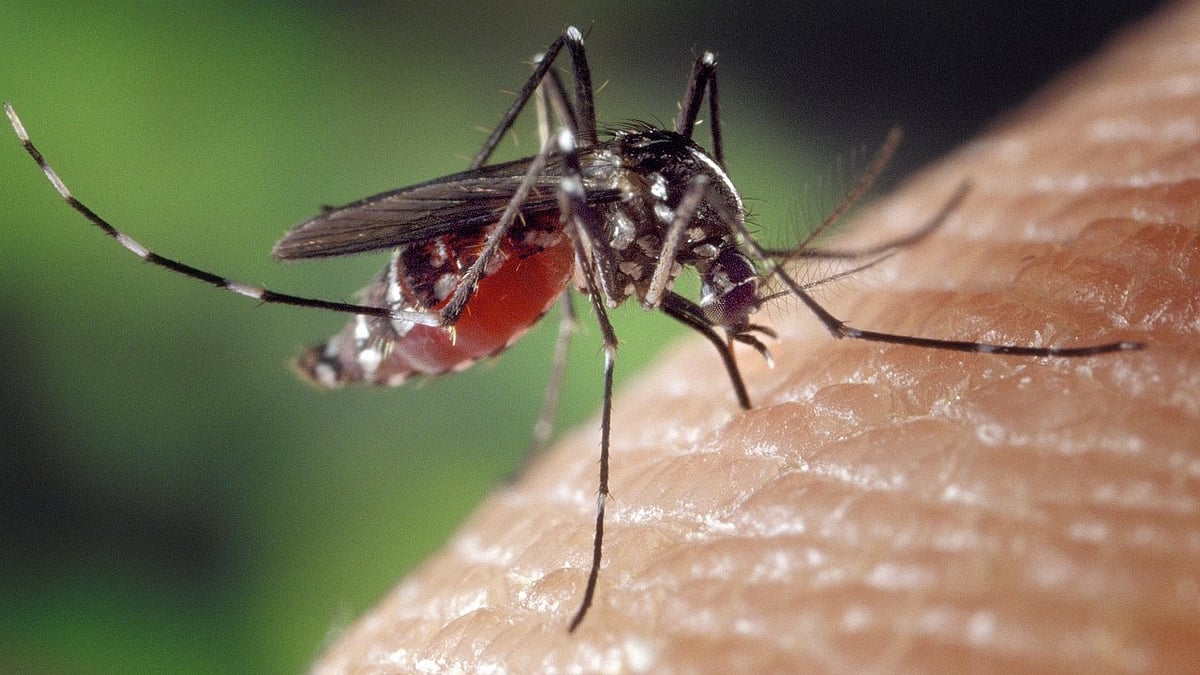
Mumbai has witnessed an 11.4% increase in malaria cases during the monsoon season this year, with 3,177 cases recorded between June 1 and August 15. This is compared to 2,852 cases during the same period last year.
The data, released by the BMC's Infectious Disease Control Cell, also shows a significant surge in H1N1 cases, with a 329.2% increase from 72 cases last year to 309 cases this year.
On the other hand, cases of dengue, chikungunya, leptospirosis, gastroenteritis, and Covid-19 have declined compared to the corresponding period last year. Dengue cases fell by 11.3%, from 1,217 to 1,079, while chikungunya declined sharply by 88.2%, from 279 to 33.
Leptospirosis cases dropped by 41.3%, from 322 to 189, while gastroenteritis cases declined by 23%, from 2,274 to 1,752. Covid-19 cases registered the steepest decline of 81.4%, falling from 668 to 124.
The BMC has been taking measures to control the spread of these diseases, including surveying houses, screening people, and collecting blood samples. From August 1 to 15, BMC teams surveyed 5,63,382 houses and screened 26,85,828 people, while collecting 32,158 blood samples.
The civic body also organised 24 health camps and provided preventive treatment for leptospirosis to 10,542 people. Additionally, thousands of mosquito breeding sites were inspected, and discarded tyres and scrap items were removed from rooftops and premises.
Fogging was carried out at 18,568 building premises and 3,18,803 slum dwellings. The BMC has reported a rise in malaria cases in several areas, including Byculla-Madanpura-Mazgaon, Andheri-Nehru Nagar-Amboli, and BDD Chawl-Satarasta.
Leptospirosis cases have increased in areas such as Sangam Nagar, GTB Nagar, and Dharavi. The civic body has urged residents, particularly those in affected areas, to take precautions against mosquito-borne and monsoon-related diseases.
The decline in cases of dengue, chikungunya, and Covid-19 is a positive trend, but the surge in malaria and H1N1 cases is a cause for concern. The BMC's efforts to control the spread of these diseases are crucial in preventing further outbreaks.
Mumbai residents are advised to take necessary precautions, such as using mosquito repellents, wearing protective clothing, and avoiding stagnant water, to prevent the spread of these diseases.
In conclusion, the rise in malaria cases and the surge in H1N1 cases in Mumbai are significant public health concerns that require immediate attention and action. The BMC's efforts to control the spread of these diseases are essential in protecting the health and well-being of Mumbai residents.
Frequently asked questions
What is the current trend of malaria cases in Mumbai?
Malaria cases in Mumbai have increased by 11.4% during the monsoon season this year.
Which areas in Mumbai have seen a rise in malaria cases?
The BMC has reported a rise in malaria cases in areas such as Byculla-Madanpura-Mazgaon, Andheri-Nehru Nagar-Amboli, and BDD Chawl-Satarasta.