Many Buildings Skip 13th Floor Due to Superstition
Superstition drives design, affecting sales and occupancy.

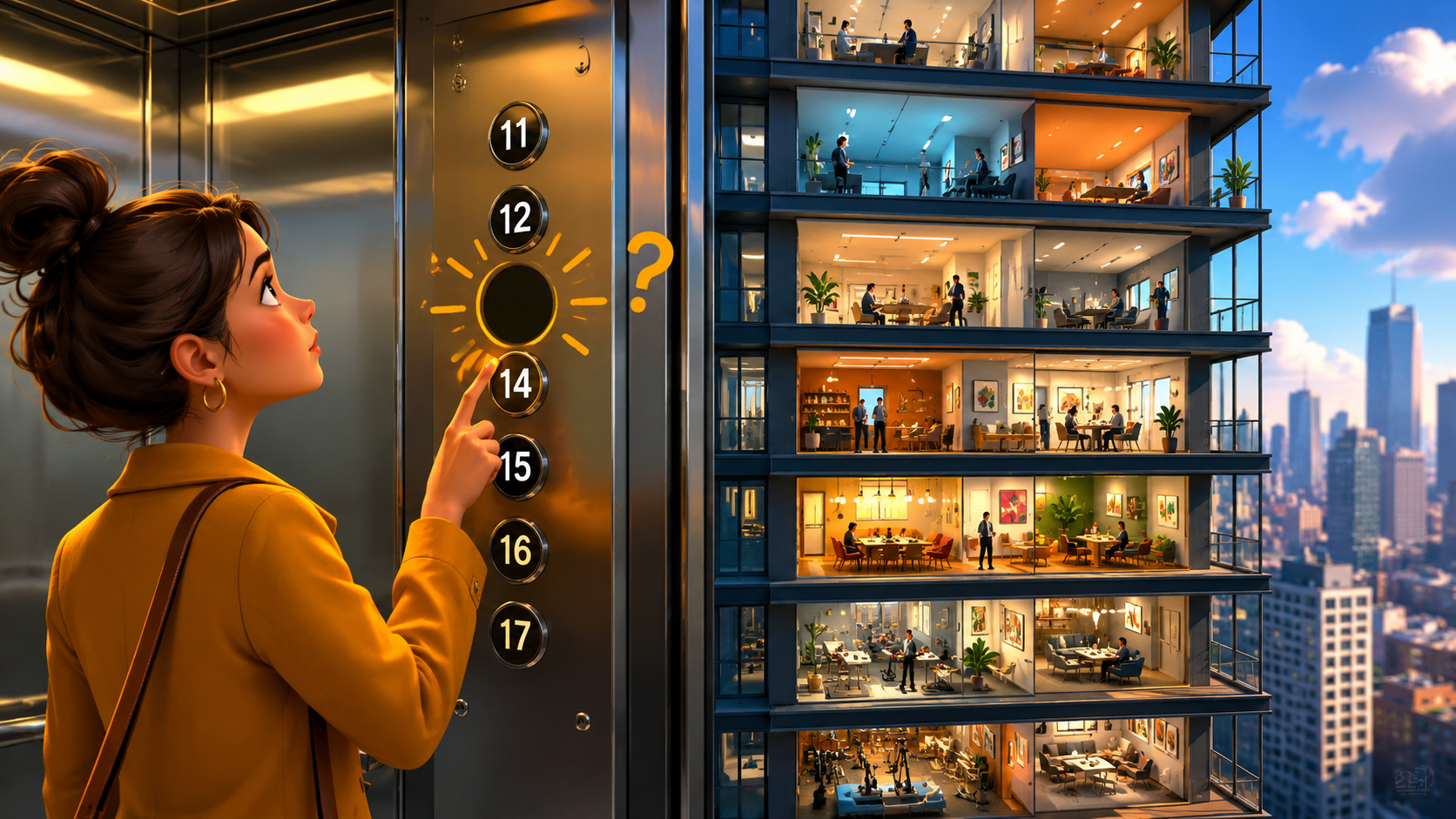
A common phenomenon in the real estate industry is the omission of the 13th floor in many buildings. This practice is not limited to a specific region but is a global trend. The reason behind this is largely attributed to buyer superstition and triskaidekaphobia, a fear of the number 13.
Developers and builders often avoid labeling a floor as the 13th to ensure faster sales and higher occupancy rates. This decision is driven by the perception that the number 13 is unlucky, which can deter potential buyers. According to industry experts, this practice is a result of catering to buyer preferences and superstitions.
From a technical standpoint, there is no difference in the structural integrity or safety of the 13th floor compared to any other floor. The decision to skip the 13th floor is purely based on buyer perception and the desire to avoid any potential stigma associated with the number.
The impact of this practice is significant, as it influences design choices and building layouts. Developers must consider the potential consequences of labeling a floor as the 13th, which can affect the marketability and saleability of the property. As a result, many buildings opt to skip the 13th floor, instead choosing to label the next floor as the 14th.
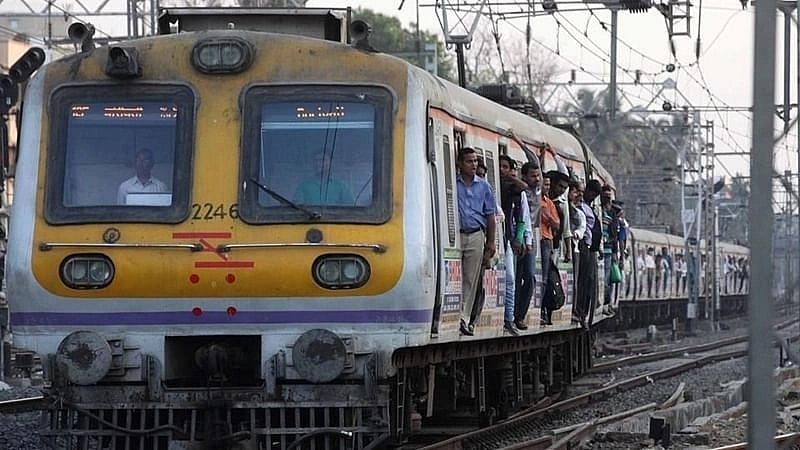
The phenomenon of skipping the 13th floor is not unique to any particular region, including Mumbai. Many buildings in the city and its surrounding areas have adopted this practice, reflecting the widespread nature of triskaidekaphobia.
In terms of what happens next, it is likely that this practice will continue, given the significant influence of buyer perception on real estate development decisions. As the industry continues to evolve, it will be interesting to see if this trend persists or if there is a shift towards embracing the number 13. For now, the omission of the 13th floor remains a common feature in many buildings, driven by superstition and the desire to cater to buyer preferences.
The real estate industry's response to triskaidekaphobia highlights the importance of understanding buyer psychology and preferences. By acknowledging and addressing these concerns, developers can create more marketable and appealing properties, ultimately driving sales and occupancy rates.
In conclusion, the practice of skipping the 13th floor is a global phenomenon driven by superstition and buyer perception. While it may seem like a minor detail, it has significant implications for real estate development and design choices. As the industry continues to grow and evolve, it will be important to consider the role of buyer psychology and preferences in shaping development decisions.