Bombay HC Sets Up 23 Fast-Track Courts For Exam Fraud Cases
Bombay HC expands network of special courts, 23 more courts designated across Maharashtra
'%3E%3Crect%20width%3D'96'%20height%3D'96'%20fill%3D'%23B3261E'%2F%3E%3Ccircle%20cx%3D'30'%20cy%3D'24'%20r%3D'44'%20fill%3D'%23fff'%20opacity%3D'.12'%2F%3E%3Ccircle%20cx%3D'60'%20cy%3D'74'%20r%3D'40'%20fill%3D'%23000'%20opacity%3D'.10'%2F%3E%3C%2Fg%3E%3Cg%20fill%3D'%23fff'%3E%3Crect%20x%3D'29'%20y%3D'49'%20width%3D'8'%20height%3D'19'%20rx%3D'1'%2F%3E%3Crect%20x%3D'39'%20y%3D'40'%20width%3D'9'%20height%3D'28'%20rx%3D'1'%2F%3E%3Crect%20x%3D'50'%20y%3D'45'%20width%3D'8'%20height%3D'23'%20rx%3D'1'%2F%3E%3Crect%20x%3D'60'%20y%3D'53'%20width%3D'7'%20height%3D'15'%20rx%3D'1'%2F%3E%3Crect%20x%3D'41'%20y%3D'34'%20width%3D'5'%20height%3D'6'%2F%3E%3C%2Fg%3E%3C%2Fsvg%3E)
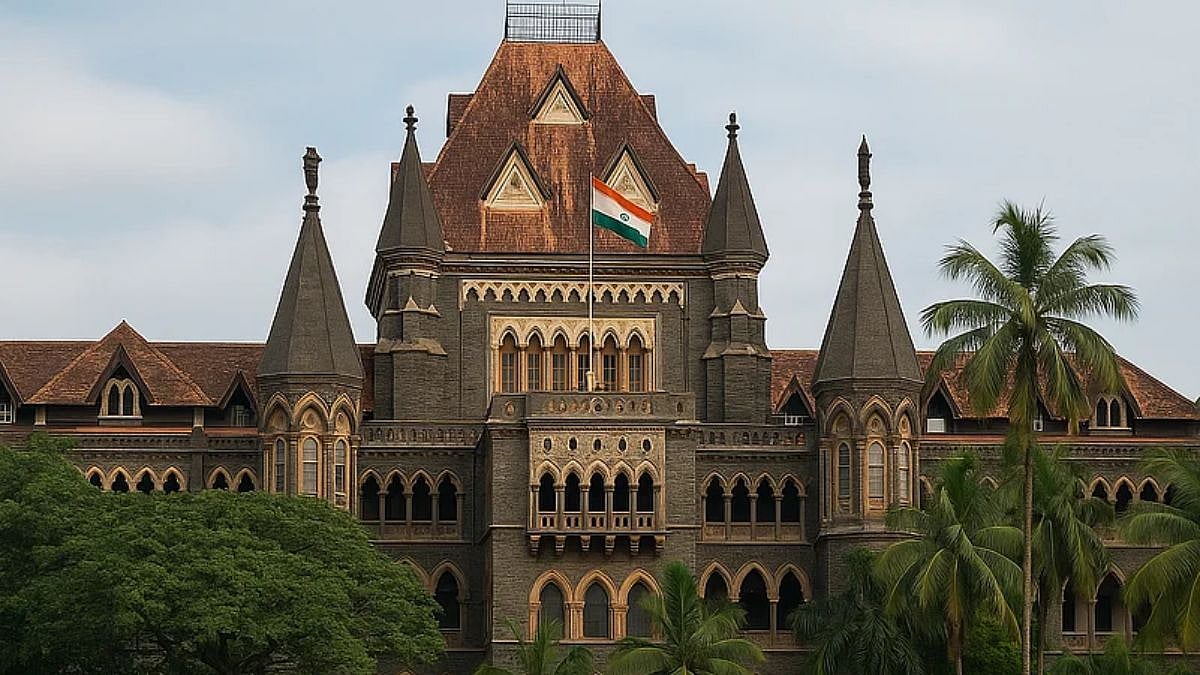
The Bombay High Court has designated 23 more fast-track courts across Maharashtra to exclusively try offences related to question paper leaks and other unfair practices in public examinations.
This move is part of a larger effort to curb examination malpractice and ensure swift trials in such cases. The newly designated courts are spread across various districts, including Beed, Chandrapur, Dhule, and Pune.
The decision to set up these special courts was made in accordance with the Public Examinations (Prevention of Unfair Means) Act, 2024, and relevant provisions of the Bharatiya Nyaya Sanhita and the Maharashtra Prevention of Malpractices at University, Board and Other Specified Examinations Act, 1982.
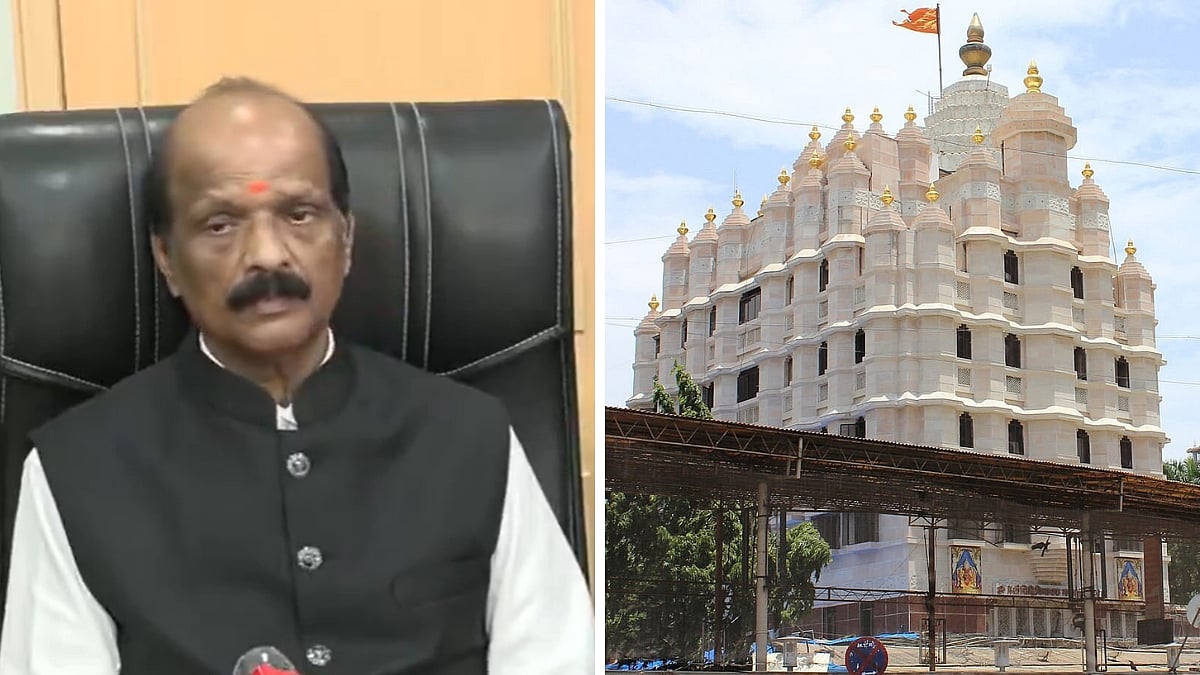
Acting Chief Justice Ravindra Ghuge issued a notification on August 1, appointing judicial officers in several districts to conduct trials under these laws. In Mumbai, one judge each from the City Civil and Sessions Court and the Court of the Chief Judicial Magistrate has been designated to exclusively hear such cases.
This expansion follows the High Court’s July 24 order setting up two special fast-track courts in Aurangabad and Nagpur. The latest notification is also in line with Prime Minister Narendra Modi’s announcement on July 23 to set up fast-track courts to ensure speedy trials in paper leak cases.
The Union Law Ministry had asked High Courts across the country to designate exclusive courts to try offences under the Public Examinations (Prevention of Unfair Means) Act, 2024. The law requires trials in such cases to be completed within three months.
The decision was taken in the wake of protests by students in several parts of the country, including Mumbai and Nagpur, over alleged irregularities in the NEET examination. The special court in Nagpur has already been assigned at least 11 pending cases related to examination malpractices.
With the latest notification, Maharashtra now has 25 designated fast-track courts to exclusively deal with paper leak and examination malpractice cases. This move aims to ensure quicker disposal of such offences and strengthen the integrity of the public examination system.
The setting up of these special courts is expected to have a significant impact on the education system in Maharashtra, as it will help to prevent and punish examination malpractices. The swift trials will also provide relief to students who have been affected by such malpractices.
Overall, the Bombay High Court’s decision to set up more fast-track courts is a positive step towards ensuring the integrity of public examinations in Maharashtra. It is expected to contribute to a fair and transparent education system in the state.
The expansion of the network of special fast-track courts is also a response to the growing concern over examination malpractices in the country. The government has been taking various measures to prevent and punish such malpractices, and the setting up of these special courts is an important step in this direction.
In conclusion, the Bombay High Court’s decision to designate 23 more fast-track courts across Maharashtra is a significant move towards ensuring swift trials in paper leak and examination malpractice cases. It is expected to have a positive impact on the education system in the state and contribute to a fair and transparent public examination system.
Frequently asked questions
What is the purpose of the fast-track courts set up by the Bombay High Court?
The purpose of the fast-track courts is to try offences related to paper leaks and other unfair practices in public examinations and ensure swift trials in such cases.
How many fast-track courts have been designated in Maharashtra?
Maharashtra now has 25 designated fast-track courts to exclusively deal with paper leak and examination malpractice cases.