Bihar Warns Against Eating Unidentified Fish From Nepal Floods
Bihar government advises against consuming unknown fish, cites health risks. Floods in Nepal bring unusual fish to Bihar.
'%3E%3Crect%20width%3D'96'%20height%3D'96'%20fill%3D'%23B3261E'%2F%3E%3Ccircle%20cx%3D'30'%20cy%3D'24'%20r%3D'44'%20fill%3D'%23fff'%20opacity%3D'.12'%2F%3E%3Ccircle%20cx%3D'60'%20cy%3D'74'%20r%3D'40'%20fill%3D'%23000'%20opacity%3D'.10'%2F%3E%3C%2Fg%3E%3Cg%20fill%3D'%23fff'%3E%3Crect%20x%3D'29'%20y%3D'49'%20width%3D'8'%20height%3D'19'%20rx%3D'1'%2F%3E%3Crect%20x%3D'39'%20y%3D'40'%20width%3D'9'%20height%3D'28'%20rx%3D'1'%2F%3E%3Crect%20x%3D'50'%20y%3D'45'%20width%3D'8'%20height%3D'23'%20rx%3D'1'%2F%3E%3Crect%20x%3D'60'%20y%3D'53'%20width%3D'7'%20height%3D'15'%20rx%3D'1'%2F%3E%3Crect%20x%3D'41'%20y%3D'34'%20width%3D'5'%20height%3D'6'%2F%3E%3C%2Fg%3E%3C%2Fsvg%3E)
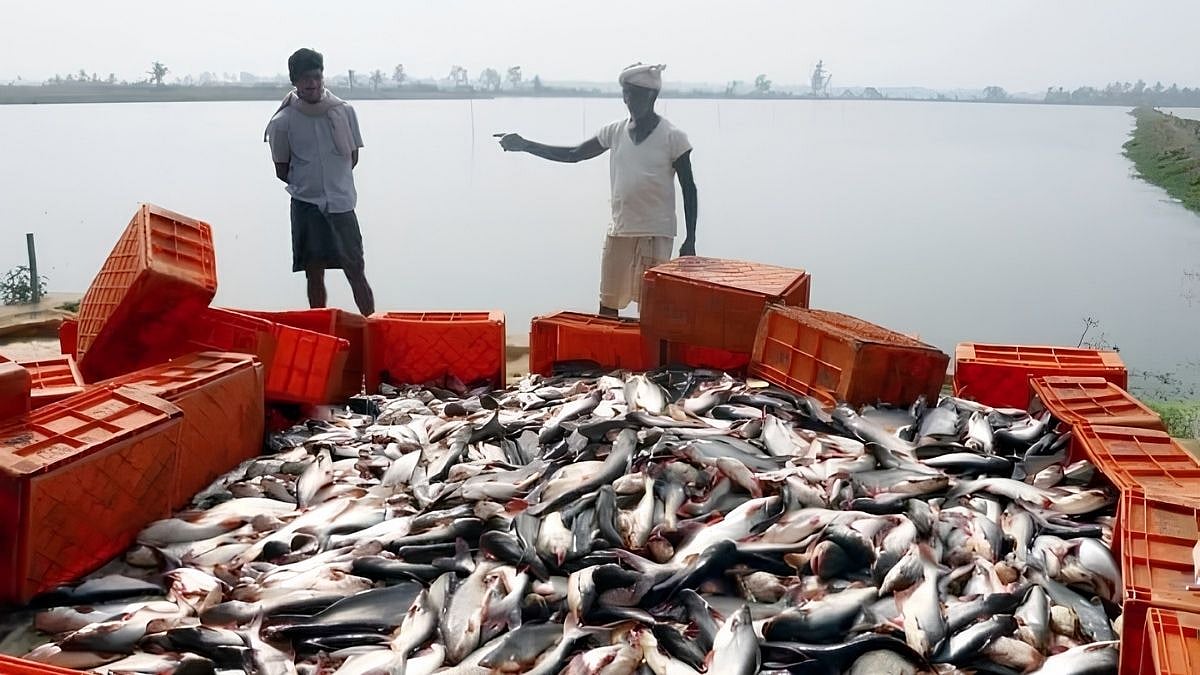
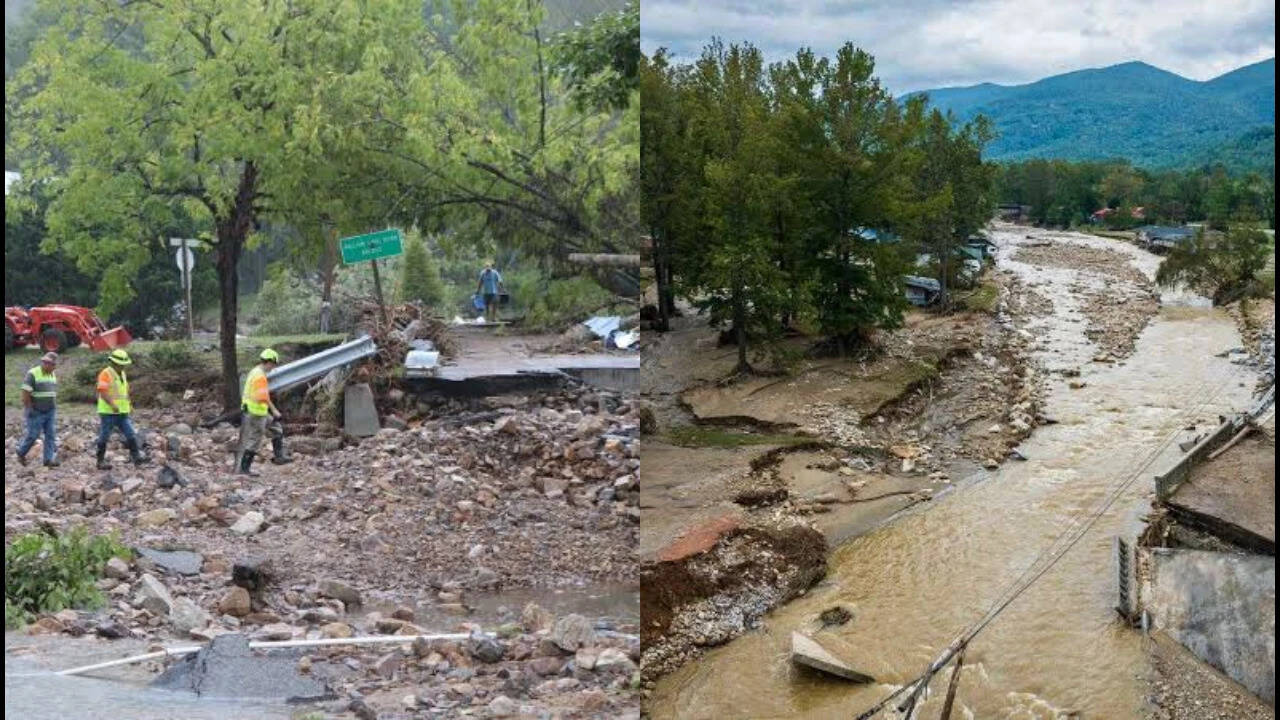
The recent flash floods in Nepal have led to an unusual concern in Bihar, as unidentified fish have been found in water bodies and flood-affected areas. The Bihar government has advised residents not to catch, sell, or consume fish whose species and origin cannot be verified.
The warning comes amid concerns over the movement of aquatic species through floodwaters. Heavy rainfall and sudden flooding can wash fish and other aquatic organisms from rivers, ponds, and breeding areas into locations where they are not normally found. In Bihar, which shares a close geographical connection with Nepal through several rivers, floodwaters can travel across the border and alter local aquatic environments.
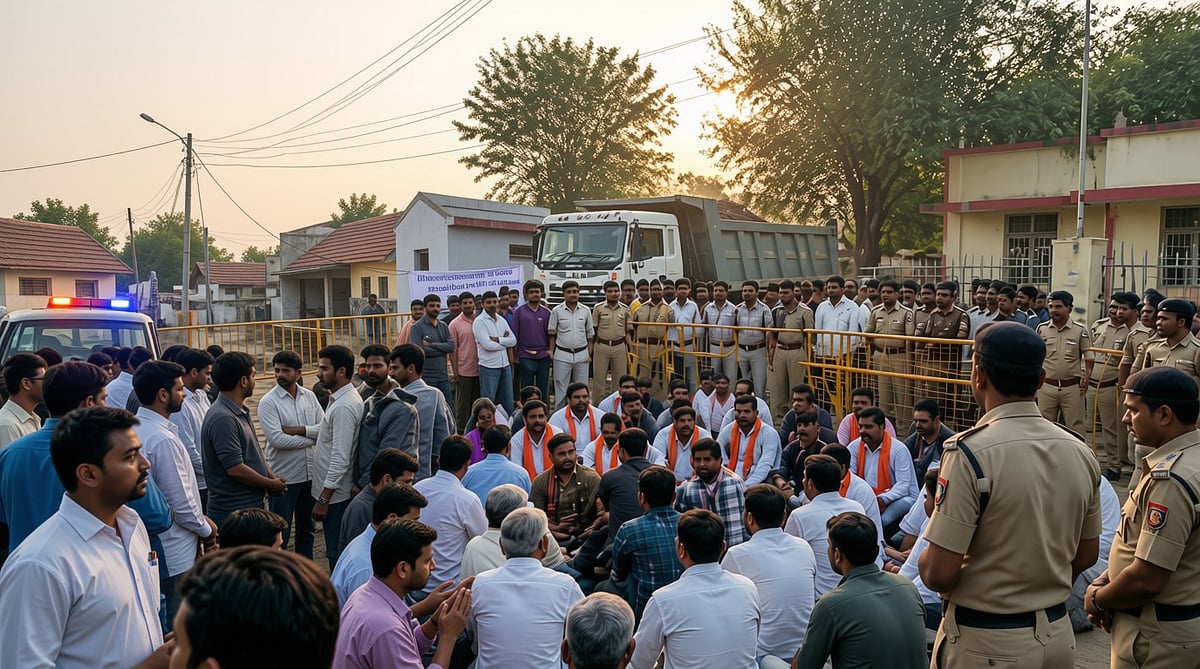
The Animal and Fisheries Resources Department has issued an advisory regarding fish arriving in Bihar from Nepal. The department states that floods can lead to fish encountering sewage, dead animals, and other polluted materials, heightening the contamination risk from bacteria, viruses, and various pathogens. Eating such fish could be detrimental to health.
Minister Leshi Singh has acknowledged the situation, stating that the floods in Nepal have affected everyone, particularly India, and that the rivers flowing from Nepal into Bihar are under pressure. The government has advised people to exercise caution, particularly in areas affected by floodwater.
Residents have been advised to avoid experimenting with unfamiliar fish and to report such sightings to local fisheries officials. The department has also prohibited the sale of fish caught in floodwaters in the market. If someone consumes these fish and experiences vomiting, diarrhoea, stomach pain, dizziness, or difficulty breathing, they are advised to immediately contact the nearest health centre or hospital.
The situation highlights the need for vigilance and caution in the face of natural disasters. The movement of aquatic species through floodwaters can have unintended consequences, and it is essential to prioritize public health and safety. The Bihar government's advisory serves as a reminder of the importance of being aware of the potential risks associated with consuming unknown or unfamiliar fish.
In the coming days, it is likely that the situation will continue to be monitored closely, and residents will be advised to remain cautious. The government's efforts to raise awareness about the potential health risks associated with consuming unidentified fish are crucial in preventing any potential outbreaks.
The incident also underscores the interconnectedness of the region's water bodies and the need for cooperation and coordination between Nepal and Bihar to address the challenges posed by natural disasters. As the situation continues to unfold, it is essential to prioritize public health and safety, and to take all necessary precautions to prevent any potential risks.
In conclusion, the Bihar government's advisory against consuming unidentified fish from Nepal floods is a timely reminder of the importance of prioritizing public health and safety. The situation highlights the need for vigilance and caution in the face of natural disasters, and the importance of being aware of the potential risks associated with consuming unknown or unfamiliar fish.
Frequently asked questions
What is the Bihar government's advisory on consuming fish from Nepal floods?
The Bihar government has advised residents not to catch, sell, or consume fish whose species and origin cannot be verified, citing health risks.
What are the potential health risks associated with consuming unidentified fish from Nepal floods?
The potential health risks include vomiting, diarrhoea, stomach pain, dizziness, and difficulty breathing, due to the risk of contamination from bacteria, viruses, and various pathogens.