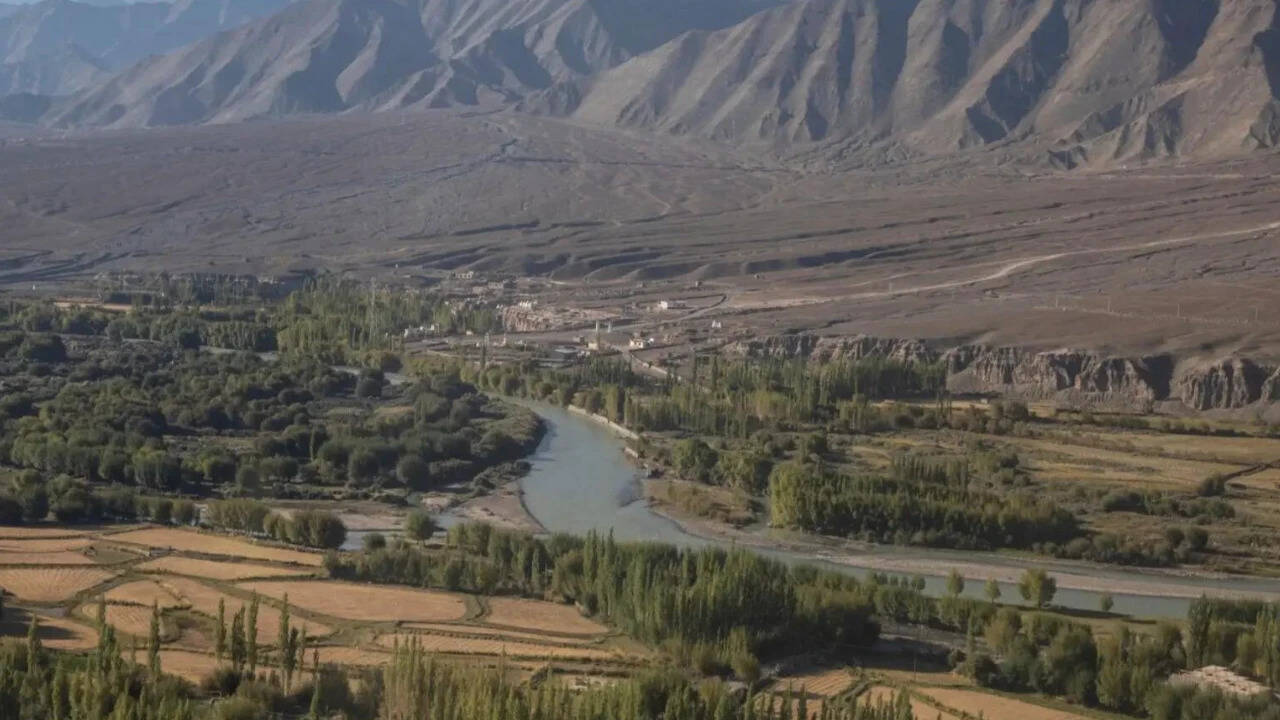
Nepal Sends Disaster Warning 38 Minutes Late
Glacier collapse triggers delayed alert, Nepal explains reason. Warning sent 38 minutes late.
'%3E%3Crect%20width%3D'96'%20height%3D'96'%20fill%3D'%234A235A'%2F%3E%3Ccircle%20cx%3D'30'%20cy%3D'24'%20r%3D'44'%20fill%3D'%23fff'%20opacity%3D'.12'%2F%3E%3Ccircle%20cx%3D'60'%20cy%3D'74'%20r%3D'40'%20fill%3D'%23000'%20opacity%3D'.10'%2F%3E%3C%2Fg%3E%3Cg%20fill%3D'none'%20stroke%3D'%23fff'%20stroke-width%3D'3'%3E%3Ccircle%20cx%3D'48'%20cy%3D'48'%20r%3D'16'%2F%3E%3Cellipse%20cx%3D'48'%20cy%3D'48'%20rx%3D'6.5'%20ry%3D'16'%2F%3E%3Cline%20x1%3D'32'%20y1%3D'42'%20x2%3D'64'%20y2%3D'42'%2F%3E%3Cline%20x1%3D'32'%20y1%3D'54'%20x2%3D'64'%20y2%3D'54'%2F%3E%3C%2Fg%3E%3C%2Fsvg%3E)
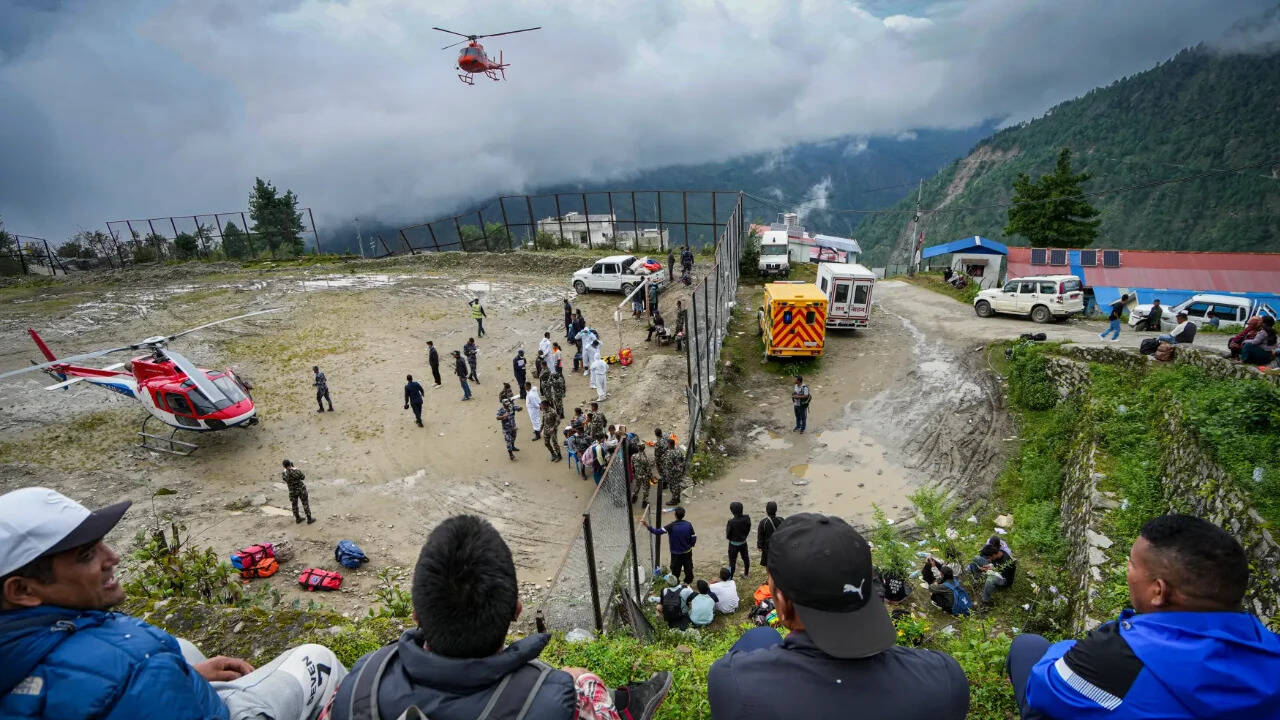
A glacier collapse occurred at 8:37 am in Nepal, prompting a disaster warning to be issued. However, the alert was sent out 38 minutes later, at 9:15 am. The delay in sending the warning has raised questions about the country's disaster response system.
The glacier collapse was a significant event that required immediate attention and action. The warning was supposed to be sent out promptly to alert people in the surrounding areas of potential dangers.
The reason for the delay in sending the warning is attributed to the time it took for the authorities to verify the incident. The authorities had to confirm the collapse and assess the situation before sending out the alert.
Nepal's disaster response system has been criticized in the past for being slow and ineffective. The country is prone to natural disasters such as earthquakes, landslides, and floods, and a prompt response is crucial in saving lives.
The government has been working to improve the disaster response system, including investing in early warning systems and conducting regular drills. However, the delay in sending the warning in this instance highlights the need for further improvement.
The glacier collapse is a reminder of the importance of being prepared for natural disasters. The authorities must be able to respond quickly and effectively to minimize damage and loss of life.
In the context of Nepal's geography, the country is highly susceptible to natural disasters due to its location in the Himalayan region. The government and authorities must be vigilant and proactive in responding to such incidents.
The delay in sending the warning has sparked concerns about the effectiveness of Nepal's disaster response system. The government must take steps to address these concerns and ensure that the system is robust and efficient.
In conclusion, the delay in sending the disaster warning in Nepal highlights the need for improvement in the country's disaster response system. The government must prioritize the development of a prompt and effective response system to minimize the impact of natural disasters.
Frequently asked questions
What time did the glacier collapse occur in Nepal?
The glacier collapse occurred at 8:37 am.
Why was the disaster warning sent late?
The warning was sent late due to the time it took for the authorities to verify the incident and assess the situation.