SC Seeks Bengal Voter Deletion Data
SC asks EC for data on voter deletion appeals. What's next?
'%3E%3Crect%20width%3D'96'%20height%3D'96'%20fill%3D'%231A5276'%2F%3E%3Ccircle%20cx%3D'30'%20cy%3D'24'%20r%3D'44'%20fill%3D'%23fff'%20opacity%3D'.12'%2F%3E%3Ccircle%20cx%3D'60'%20cy%3D'74'%20r%3D'40'%20fill%3D'%23000'%20opacity%3D'.10'%2F%3E%3C%2Fg%3E%3Cg%20fill%3D'%23fff'%3E%3Cpath%20d%3D'M31%2041%20L48%2031%20L65%2041%20Z'%2F%3E%3Crect%20x%3D'33'%20y%3D'43'%20width%3D'4'%20height%3D'17'%2F%3E%3Crect%20x%3D'41'%20y%3D'43'%20width%3D'4'%20height%3D'17'%2F%3E%3Crect%20x%3D'51'%20y%3D'43'%20width%3D'4'%20height%3D'17'%2F%3E%3Crect%20x%3D'59'%20y%3D'43'%20width%3D'4'%20height%3D'17'%2F%3E%3Crect%20x%3D'30'%20y%3D'62'%20width%3D'36'%20height%3D'4'%20rx%3D'1'%2F%3E%3C%2Fg%3E%3C%2Fsvg%3E)
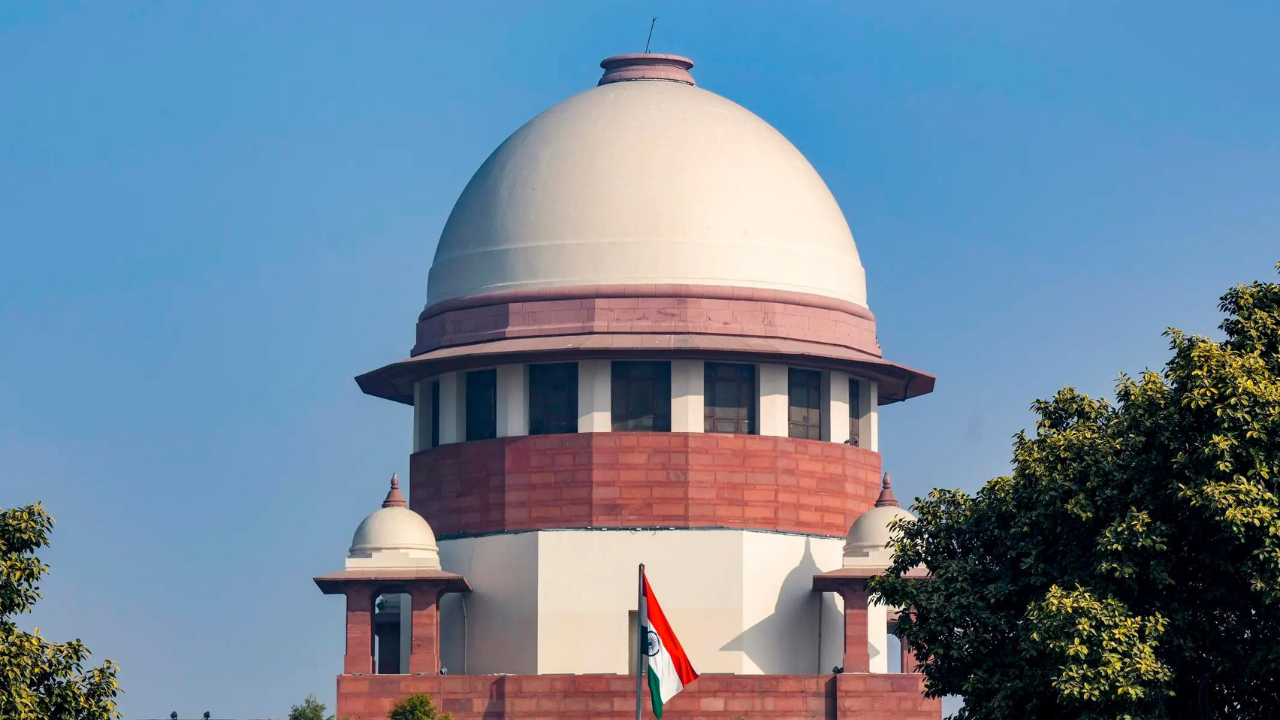
The Supreme Court has asked the Election Commission (EC) to provide data on appeals against voter deletions during the Special Summary Revision (SSR) in West Bengal. This move comes as the court hears a petition challenging the deletion of voters in the state.
The petitioners have alleged that a large number of voters were wrongly deleted from the electoral rolls in West Bengal during the SSR. The EC had conducted the SSR to update the voter list and remove duplicate or ineligible entries. However, the petitioners claim that many genuine voters were removed due to errors or misinformation.
The Supreme Court has directed the EC to submit data on the number of appeals filed against voter deletions, as well as the number of appeals that were accepted or rejected. The court wants to know the exact number of voters who were deleted from the rolls and the reasons behind their deletion.
The SSR was conducted in West Bengal from November 2022 to January 2023. During this period, the EC received a large number of applications for inclusion, deletion, and correction of voter entries. The petitioners have alleged that the EC did not follow proper procedures while deleting voters, leading to the removal of many genuine voters.
The Election Commission has been asked to submit the data within a week. The Supreme Court will then hear the matter further based on the information provided by the EC. The court's decision is expected to have significant implications for the electoral process in West Bengal.
The Special Summary Revision is a process undertaken by the EC to update the electoral rolls and ensure that they are accurate and up-to-date. The process involves the verification of voter entries and the removal of duplicate or ineligible entries. However, the petitioners have alleged that the EC's actions during the SSR in West Bengal were arbitrary and unjustified.
The Supreme Court's intervention in the matter is seen as a significant development. The court's decision to seek data from the EC suggests that it is taking the allegations of voter deletion seriously. The outcome of the case is expected to have far-reaching implications for the electoral process in India.
In recent years, there have been several instances of voter deletion and electoral roll errors in various states. The Supreme Court's decision in this case is expected to set a precedent for future cases. The court's emphasis on transparency and accountability in the electoral process is seen as a positive development.
The Election Commission has been working to improve the accuracy and transparency of the electoral process. The use of technology and data analytics has helped to identify and remove duplicate or ineligible entries from the voter list. However, the petitioners' allegations suggest that more needs to be done to ensure that the electoral process is fair and transparent.
The Supreme Court's decision in this case will be closely watched by election experts and citizens alike. The outcome is expected to have significant implications for the future of elections in India.
In conclusion, the Supreme Court's move to seek data from the EC on appeals against voter deletions during the SSR in West Bengal is a significant development. The court's emphasis on transparency and accountability in the electoral process is seen as a positive step. The outcome of the case is expected to have far-reaching implications for the electoral process in India.
What the Supreme Court's decision means for Mumbai or India is that it will set a precedent for future cases of voter deletion and electoral roll errors. The court's emphasis on transparency and accountability will help to ensure that the electoral process is fair and transparent. This will have significant implications for the future of elections in India and will help to strengthen the country's democratic institutions.
Frequently asked questions
What is the Supreme Court seeking from the EC?
The Supreme Court is seeking data on appeals against voter deletions during the Special Summary Revision in West Bengal.
Why are the petitioners challenging the voter deletions?
The petitioners are challenging the voter deletions because they allege that many genuine voters were wrongly deleted from the electoral rolls due to errors or misinformation.