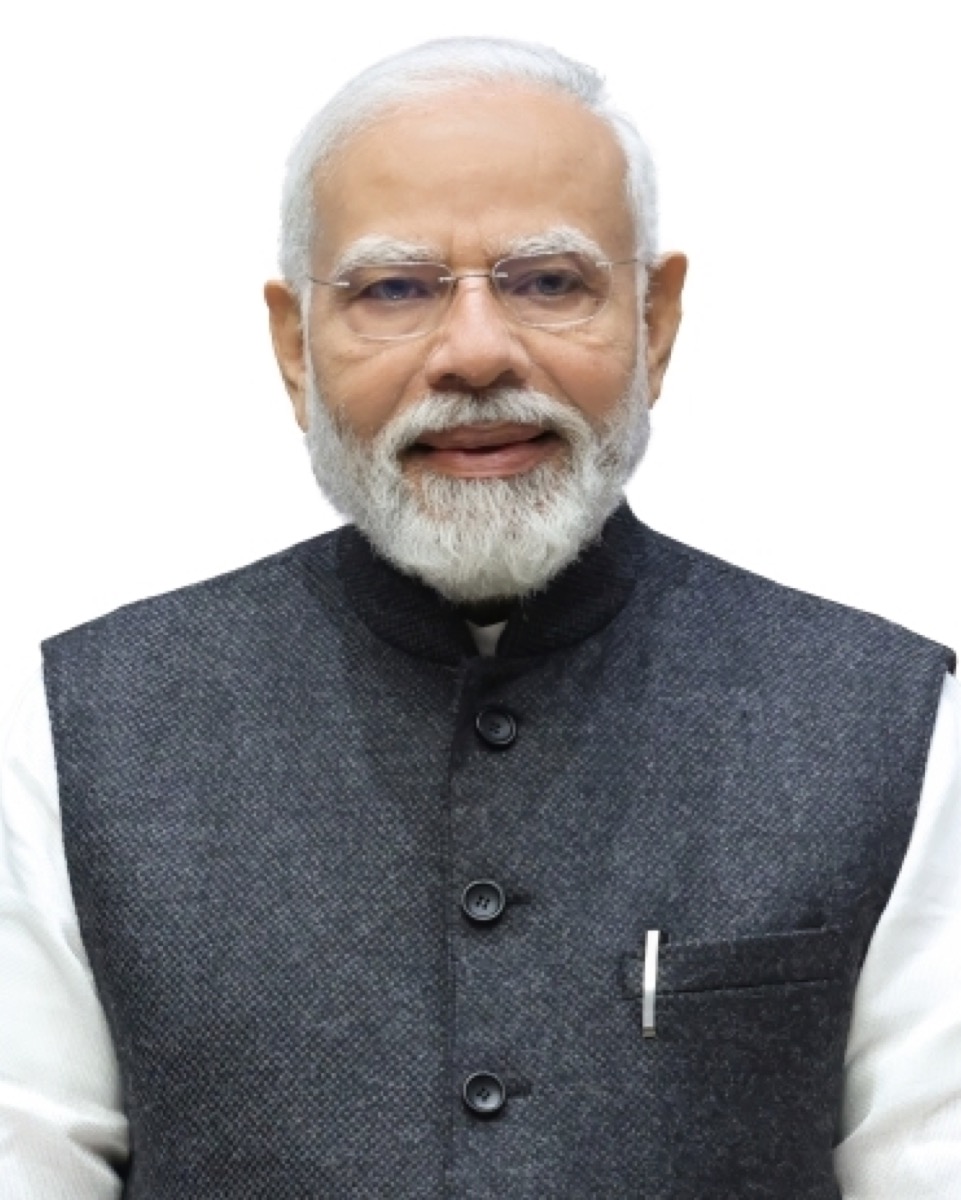
CJP Founder Dipke Calls for Mass Movement
Dipke rules out political party, seeks public pressure on institutions
'%3E%3Crect%20width%3D'96'%20height%3D'96'%20fill%3D'%231A5276'%2F%3E%3Ccircle%20cx%3D'30'%20cy%3D'24'%20r%3D'44'%20fill%3D'%23fff'%20opacity%3D'.12'%2F%3E%3Ccircle%20cx%3D'60'%20cy%3D'74'%20r%3D'40'%20fill%3D'%23000'%20opacity%3D'.10'%2F%3E%3C%2Fg%3E%3Cg%20fill%3D'%23fff'%3E%3Cpath%20d%3D'M31%2041%20L48%2031%20L65%2041%20Z'%2F%3E%3Crect%20x%3D'33'%20y%3D'43'%20width%3D'4'%20height%3D'17'%2F%3E%3Crect%20x%3D'41'%20y%3D'43'%20width%3D'4'%20height%3D'17'%2F%3E%3Crect%20x%3D'51'%20y%3D'43'%20width%3D'4'%20height%3D'17'%2F%3E%3Crect%20x%3D'59'%20y%3D'43'%20width%3D'4'%20height%3D'17'%2F%3E%3Crect%20x%3D'30'%20y%3D'62'%20width%3D'36'%20height%3D'4'%20rx%3D'1'%2F%3E%3C%2Fg%3E%3C%2Fsvg%3E)
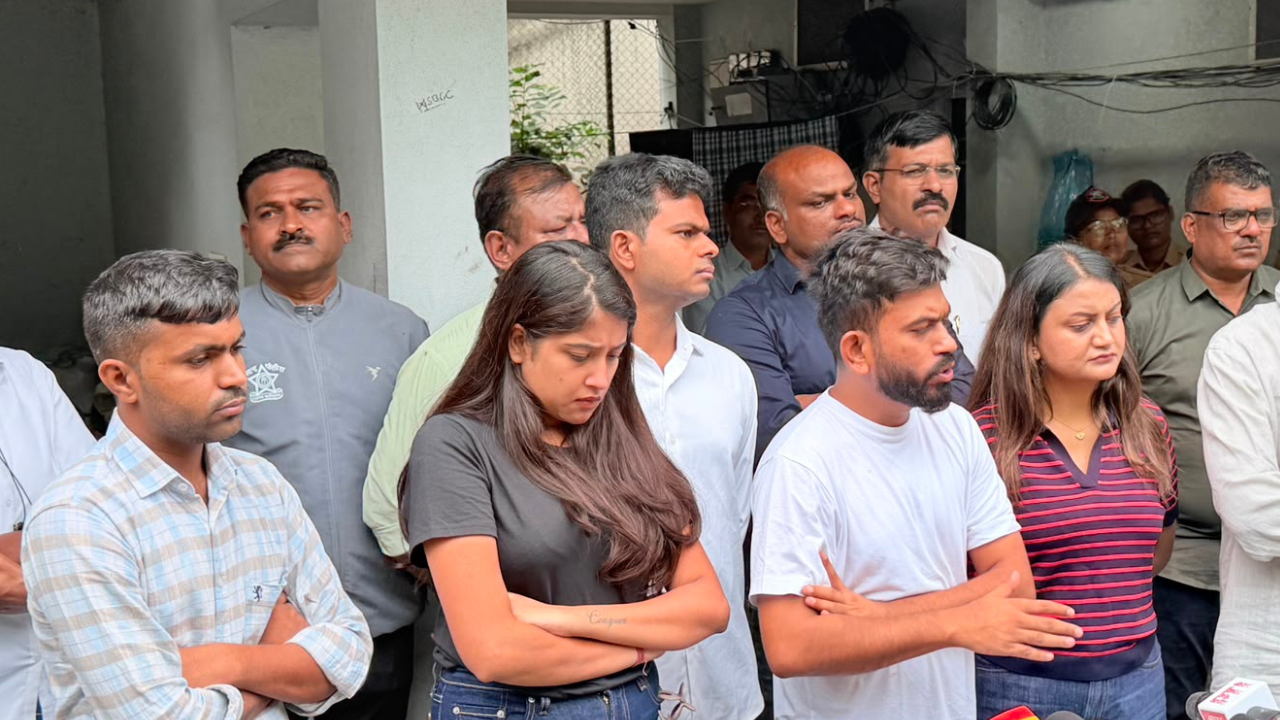
Abhijeet Dipke, founder of the Citizens for Justice and Peace (CJP), has stated that his organization will not be converted into a political party. According to Dipke, the public's trust in democratic institutions, including the judiciary and the Election Commission, has significantly eroded.
This erosion of trust, Dipke emphasized, necessitates a nationwide people's movement to restore accountability and neutrality in these key institutions. The CJP, under Dipke's leadership, will continue to function as a pressure group, focusing on various national issues and advocating for the rights of citizens.
Dipke's call for a mass movement underscores the urgent need for public pressure to ensure that democratic institutions are held accountable for their actions. The CJP founder believes that this movement is essential to restore the public's faith in the judiciary and the Election Commission.
The CJP has been actively involved in various national issues, including advocacy for human rights and social justice. As a pressure group, the organization has been working to raise awareness about important issues and to mobilize public opinion in support of its causes.
Dipke's statement comes at a time when there is growing concern about the independence and impartiality of democratic institutions in India. The erosion of trust in these institutions has significant implications for the health of India's democracy.
The CJP's decision to remain a pressure group, rather than converting into a political party, reflects its commitment to advocating for the rights of citizens and promoting social justice. By continuing to function as a pressure group, the CJP aims to maintain its independence and ability to critique and engage with the government and other institutions.
In the context of India's democratic landscape, the CJP's call for a mass movement highlights the importance of citizen engagement and participation in the democratic process. It also underscores the need for greater accountability and transparency in democratic institutions.
Overall, Dipke's call for a mass movement and the CJP's decision to remain a pressure group reflect the organization's commitment to promoting social justice and advocating for the rights of citizens. As India continues to navigate the challenges of maintaining a healthy democracy, the role of organizations like the CJP will be crucial in promoting accountability and transparency in democratic institutions.
The implications of Dipke's statement are significant, as they highlight the need for a renewed focus on citizen engagement and participation in the democratic process. By mobilizing public opinion and advocating for the rights of citizens, organizations like the CJP can play a crucial role in promoting social justice and ensuring that democratic institutions are held accountable for their actions.
In conclusion, Dipke's call for a mass movement and the CJP's decision to remain a pressure group reflect the organization's commitment to promoting social justice and advocating for the rights of citizens. As India continues to navigate the challenges of maintaining a healthy democracy, the role of organizations like the CJP will be crucial in promoting accountability and transparency in democratic institutions.
Frequently asked questions
What is the CJP's stance on converting into a political party?
The CJP has ruled out converting into a political party and will continue to function as a pressure group.
What is the purpose of the mass movement called for by Dipke?
The mass movement aims to restore accountability and neutrality in key democratic institutions, including the judiciary and the Election Commission.