Warmer Waters Alter Amphibian Diets
Frogs and salamanders change diets due to warmer habitats. Young amphibians eat more plants to survive.
'%3E%3Crect%20width%3D'96'%20height%3D'96'%20fill%3D'%23B3261E'%2F%3E%3Ccircle%20cx%3D'30'%20cy%3D'24'%20r%3D'44'%20fill%3D'%23fff'%20opacity%3D'.12'%2F%3E%3Ccircle%20cx%3D'60'%20cy%3D'74'%20r%3D'40'%20fill%3D'%23000'%20opacity%3D'.10'%2F%3E%3C%2Fg%3E%3Cg%20fill%3D'%23fff'%3E%3Crect%20x%3D'29'%20y%3D'49'%20width%3D'8'%20height%3D'19'%20rx%3D'1'%2F%3E%3Crect%20x%3D'39'%20y%3D'40'%20width%3D'9'%20height%3D'28'%20rx%3D'1'%2F%3E%3Crect%20x%3D'50'%20y%3D'45'%20width%3D'8'%20height%3D'23'%20rx%3D'1'%2F%3E%3Crect%20x%3D'60'%20y%3D'53'%20width%3D'7'%20height%3D'15'%20rx%3D'1'%2F%3E%3Crect%20x%3D'41'%20y%3D'34'%20width%3D'5'%20height%3D'6'%2F%3E%3C%2Fg%3E%3C%2Fsvg%3E)
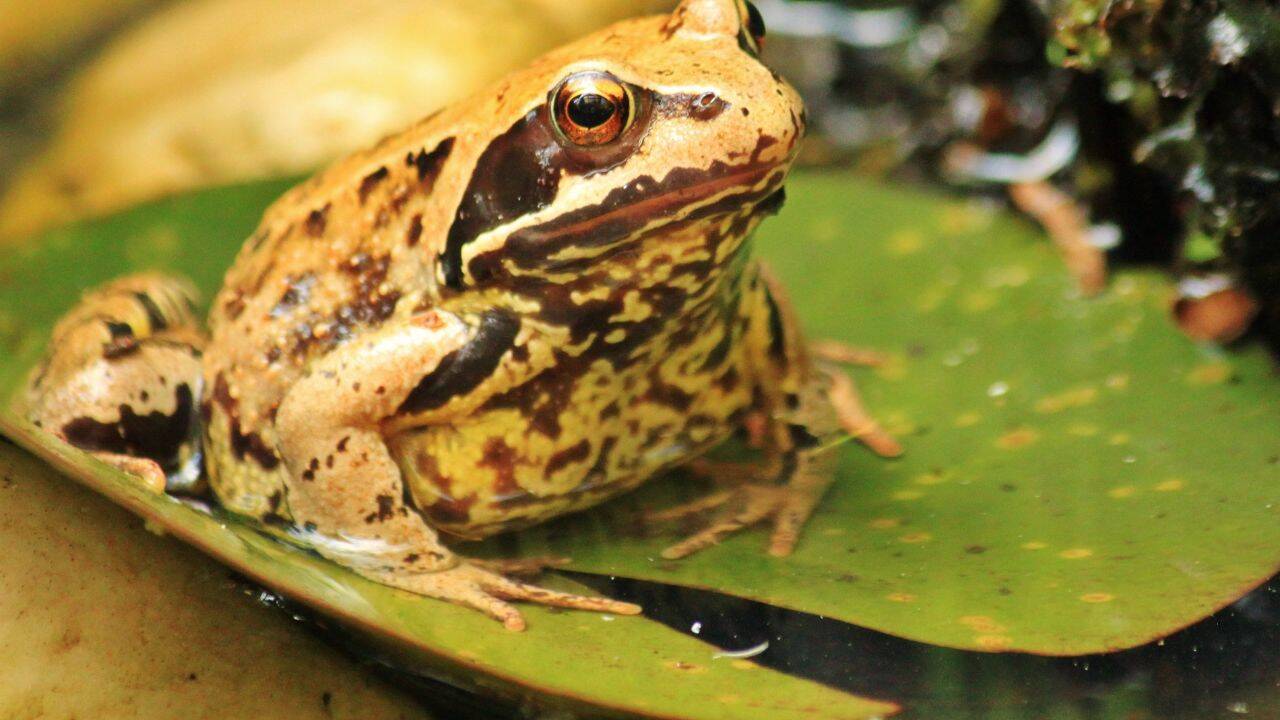
A recent study has found that warmer habitats are causing significant changes in the diets of frogs and salamanders. The research revealed that tadpoles, in particular, are adjusting their feeding habits to survive in warmer waters.
When waters warm up, tadpoles increase their feeding rates and shift their diets to include more plant material. This change in diet helps them cope with the rising energy demands caused by the warmer temperatures.
However, this strategy comes with a cost. The faster growth rate resulting from the increased feeding rate leads to the development of smaller and weaker bodies in the young amphibians. This can have long-term consequences for the survival and success of these species.
The study's findings highlight the importance of conservation efforts that protect cooler habitats for these species. As temperatures continue to rise due to climate change, it is essential to preserve areas with cooler temperatures to help frogs and salamanders thrive.
Frogs and salamanders play a crucial role in many ecosystems, serving as both predators and prey for other species. Changes in their populations can have a ripple effect throughout the entire ecosystem.
The research emphasizes the need for conservation strategies that take into account the impacts of climate change on amphibian populations. By protecting cooler habitats and reducing the effects of warming temperatures, conservation efforts can help ensure the long-term survival of these species.
In addition to preserving cooler habitats, conservation efforts can also focus on reducing other stressors that amphibian populations face, such as habitat destruction and pollution. By taking a comprehensive approach to conservation, it is possible to mitigate the impacts of climate change and protect the diversity of amphibian species.
The study's findings have significant implications for the conservation of frogs and salamanders in a warming world. As temperatures continue to rise, it is essential to develop and implement effective conservation strategies that take into account the complex interactions between species and their environments.
In conclusion, the study's results highlight the urgent need for conservation efforts that protect amphibian populations from the impacts of climate change. By preserving cooler habitats and reducing other stressors, it is possible to help these species thrive in a warming world.