India Reaches 300 GW Non-Fossil Capacity Milestone
India's non-fossil fuel capacity crosses 300 GW, exceeding 54% of total capacity.
'%3E%3Crect%20width%3D'96'%20height%3D'96'%20fill%3D'%23B3261E'%2F%3E%3Ccircle%20cx%3D'30'%20cy%3D'24'%20r%3D'44'%20fill%3D'%23fff'%20opacity%3D'.12'%2F%3E%3Ccircle%20cx%3D'60'%20cy%3D'74'%20r%3D'40'%20fill%3D'%23000'%20opacity%3D'.10'%2F%3E%3C%2Fg%3E%3Cg%20fill%3D'%23fff'%3E%3Crect%20x%3D'29'%20y%3D'49'%20width%3D'8'%20height%3D'19'%20rx%3D'1'%2F%3E%3Crect%20x%3D'39'%20y%3D'40'%20width%3D'9'%20height%3D'28'%20rx%3D'1'%2F%3E%3Crect%20x%3D'50'%20y%3D'45'%20width%3D'8'%20height%3D'23'%20rx%3D'1'%2F%3E%3Crect%20x%3D'60'%20y%3D'53'%20width%3D'7'%20height%3D'15'%20rx%3D'1'%2F%3E%3Crect%20x%3D'41'%20y%3D'34'%20width%3D'5'%20height%3D'6'%2F%3E%3C%2Fg%3E%3C%2Fsvg%3E)
India has achieved a significant milestone in its journey towards a sustainable energy future, with its installed non-fossil fuel capacity reaching 300.50 GW as of July 31. This accounts for more than 54% of the country's overall installed electricity generation capacity.
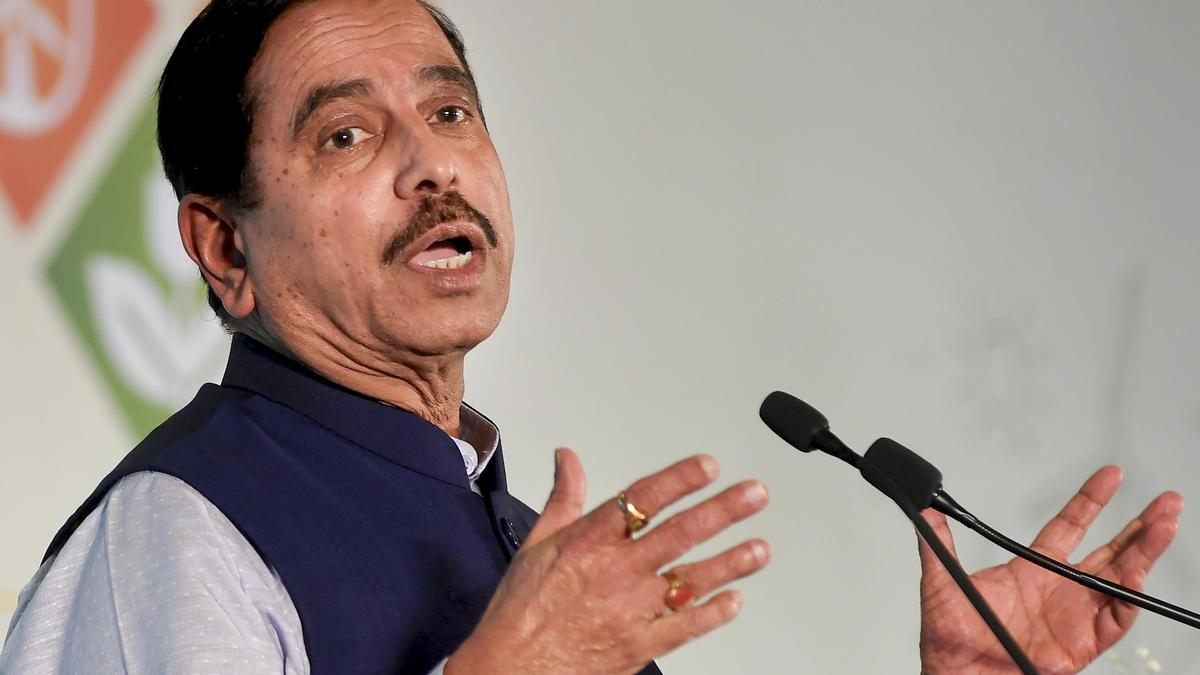
According to Pralhad Joshi, the country is on track to meet its ambitious target of 500 GW of non-fossil fuel capacity by 2030. This target is part of India's efforts to reduce its carbon footprint and transition to cleaner sources of energy.
The non-fossil fuel capacity includes solar, wind, hydro, and nuclear power, among other sources. The growth in this sector is a testament to India's commitment to renewable energy and its efforts to reduce dependence on fossil fuels.
India's renewable energy sector has been growing rapidly in recent years, driven by government policies and initiatives. The country has set ambitious targets for itself, including generating 40% of its power from non-fossil fuels by 2030.
The achievement of the 300 GW milestone is a significant step towards meeting this target. It demonstrates the country's progress in transitioning to cleaner sources of energy and reducing its reliance on fossil fuels.
The government has implemented various policies and initiatives to promote the growth of the renewable energy sector. These include tax incentives, subsidies, and other support mechanisms to encourage investment in the sector.
As India continues to grow and develop, its energy needs are expected to increase. The country's ability to meet these needs while reducing its carbon footprint will be crucial in achieving its sustainable development goals.
In conclusion, India's achievement of 300 GW of non-fossil fuel capacity is a significant milestone in its journey towards a sustainable energy future. The country's commitment to renewable energy and its efforts to reduce dependence on fossil fuels are commendable, and it is on track to meet its ambitious target of 500 GW by 2030.
The implications of this achievement are far-reaching, and it is expected to have a positive impact on the environment and the economy. As India continues to transition to cleaner sources of energy, it is likely to create new opportunities for investment, job creation, and economic growth.
Overall, India's progress in the renewable energy sector is a testament to its commitment to sustainable development and its efforts to reduce its carbon footprint. The country's achievement of 300 GW of non-fossil fuel capacity is a significant step towards a cleaner, greener future.
In the coming years, India is expected to continue to play a leading role in the global transition to renewable energy. The country's experience and expertise in this sector are likely to be sought after by other countries, and it is expected to emerge as a major player in the global renewable energy market.
The future of India's energy sector looks bright, with the country on track to meet its ambitious targets and achieve its sustainable development goals. As the country continues to grow and develop, its commitment to renewable energy and sustainable development is likely to remain a key priority.
The achievement of 300 GW of non-fossil fuel capacity is a significant milestone in India's journey towards a sustainable energy future. It demonstrates the country's progress in transitioning to cleaner sources of energy and reducing its reliance on fossil fuels. With the country on track to meet its ambitious target of 500 GW by 2030, the future of India's energy sector looks bright.
India's energy sector is expected to continue to play a critical role in the country's economic development. The growth of the renewable energy sector is likely to create new opportunities for investment, job creation, and economic growth. As the country continues to transition to cleaner sources of energy, it is likely to reduce its carbon footprint and achieve its sustainable development goals.
In conclusion, India's achievement of 300 GW of non-fossil fuel capacity is a significant milestone in its journey towards a sustainable energy future. The country's commitment to renewable energy and its efforts to reduce dependence on fossil fuels are commendable, and it is on track to meet its ambitious target of 500 GW by 2030.
Frequently asked questions
What is India's current non-fossil fuel capacity?
India's installed non-fossil fuel capacity is 300.50 GW, accounting for more than 54% of its overall installed electricity generation capacity.
What is India's target for non-fossil fuel capacity by 2030?
India aims to achieve 500 GW of non-fossil fuel capacity by 2030, as part of its efforts to reduce its carbon footprint and transition to cleaner sources of energy.