Mumbai Commuters Oppose Auto-Taxi Fare Hike
Commuter groups protest fare increase, citing cost burden.
'%3E%3Crect%20width%3D'96'%20height%3D'96'%20fill%3D'%23B3261E'%2F%3E%3Ccircle%20cx%3D'30'%20cy%3D'24'%20r%3D'44'%20fill%3D'%23fff'%20opacity%3D'.12'%2F%3E%3Ccircle%20cx%3D'60'%20cy%3D'74'%20r%3D'40'%20fill%3D'%23000'%20opacity%3D'.10'%2F%3E%3C%2Fg%3E%3Cg%20fill%3D'%23fff'%3E%3Crect%20x%3D'29'%20y%3D'49'%20width%3D'8'%20height%3D'19'%20rx%3D'1'%2F%3E%3Crect%20x%3D'39'%20y%3D'40'%20width%3D'9'%20height%3D'28'%20rx%3D'1'%2F%3E%3Crect%20x%3D'50'%20y%3D'45'%20width%3D'8'%20height%3D'23'%20rx%3D'1'%2F%3E%3Crect%20x%3D'60'%20y%3D'53'%20width%3D'7'%20height%3D'15'%20rx%3D'1'%2F%3E%3Crect%20x%3D'41'%20y%3D'34'%20width%3D'5'%20height%3D'6'%2F%3E%3C%2Fg%3E%3C%2Fsvg%3E)
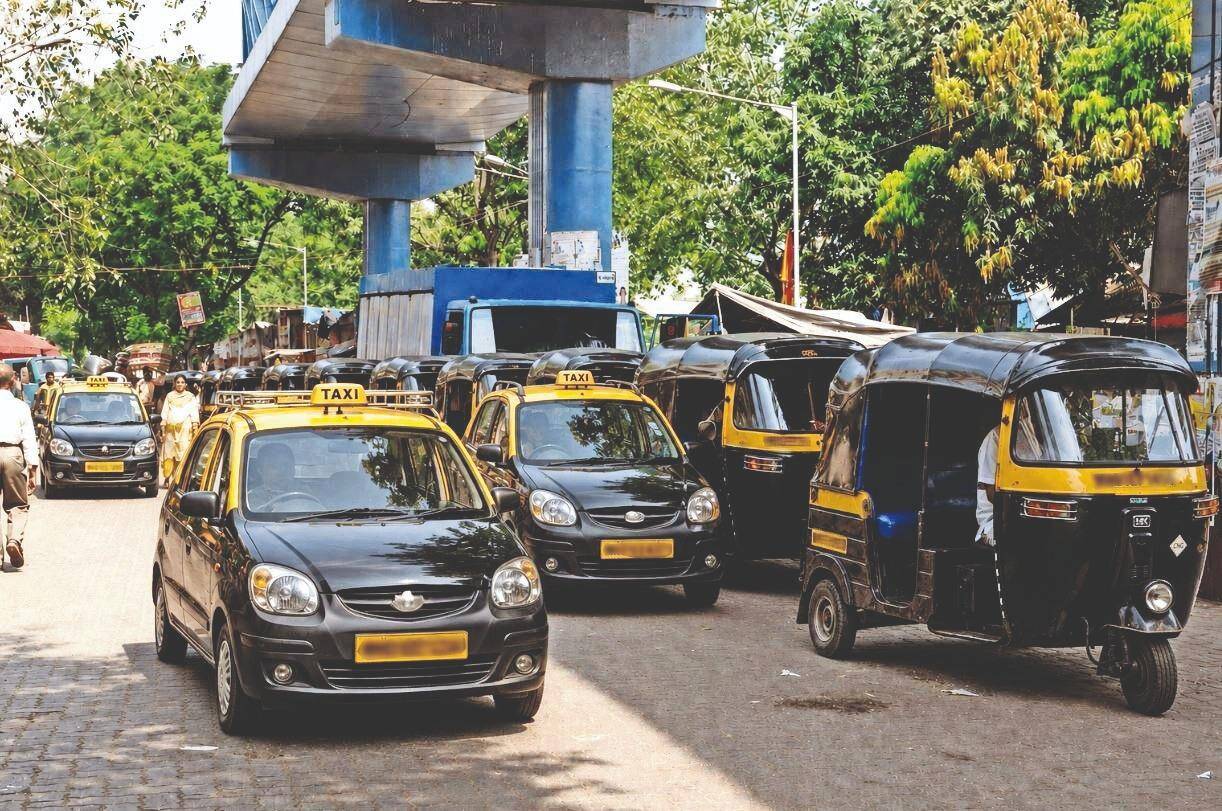
Commuter groups in the Mumbai Metropolitan Region are opposing the proposed auto-taxi fare hike, citing the rising cost burden on citizens. The fare hike, which is expected to be implemented soon, has been met with resistance from various commuter groups who feel that it will add to the already high cost of living in the region.
According to the proposed fare hike, the minimum auto-rickshaw fare will increase from Rs 18 to Rs 22, while the minimum taxi fare will rise from Rs 22 to Rs 25. The fare hike is expected to generate additional revenue for the auto-taxi operators, but commuter groups argue that it will only add to the financial burden on citizens.
The commuter groups have been protesting the fare hike, stating that it is unfair to pass on the increased costs to citizens who are already struggling to make ends meet. They have also pointed out that the fare hike will disproportionately affect low-income commuters who rely on auto-rickshaws and taxis for their daily commute.
The Mumbai Metropolitan Region is one of the most populous urban agglomerations in the world, with a large number of citizens relying on public transport for their daily commute. The auto-rickshaw and taxi services are a crucial part of the public transport system in the region, with thousands of citizens using these services every day.
The proposed fare hike has sparked a debate about the affordability of public transport in the Mumbai Metropolitan Region. While the auto-taxi operators argue that the fare hike is necessary to cover their increasing costs, commuter groups argue that it is the responsibility of the government to ensure that public transport is affordable and accessible to all citizens.
The issue of auto-taxi fare hike is not new to the Mumbai Metropolitan Region. In the past, there have been several instances of fare hikes, which have been met with resistance from commuter groups. However, the current proposal has sparked a renewed debate about the need for affordable public transport in the region.
The commuter groups are demanding that the government intervene in the matter and ensure that the fare hike is rolled back. They have also suggested alternative solutions, such as increasing the fleet of buses and improving the frequency of train services, to reduce the reliance on auto-rickshaws and taxis.
In conclusion, the proposed auto-taxi fare hike in the Mumbai Metropolitan Region has sparked a heated debate about the affordability of public transport. While the auto-taxi operators argue that the fare hike is necessary, commuter groups argue that it will only add to the financial burden on citizens. The government needs to intervene in the matter and ensure that public transport is affordable and accessible to all citizens.
Frequently asked questions
What is the proposed auto-taxi fare hike in Mumbai Metropolitan Region?
The minimum auto-rickshaw fare will increase from Rs 18 to Rs 22, while the minimum taxi fare will rise from Rs 22 to Rs 25.
Why are commuter groups opposing the fare hike?
Commuter groups are opposing the fare hike because it will add to the already high cost of living in the region and disproportionately affect low-income commuters.