CJI Surya Kant Denies Refusing NEET-UG Protest Plea
CJI refutes media reports, says no petition filed. Only a letter representation submitted.
'%3E%3Crect%20width%3D'96'%20height%3D'96'%20fill%3D'%231A5276'%2F%3E%3Ccircle%20cx%3D'30'%20cy%3D'24'%20r%3D'44'%20fill%3D'%23fff'%20opacity%3D'.12'%2F%3E%3Ccircle%20cx%3D'60'%20cy%3D'74'%20r%3D'40'%20fill%3D'%23000'%20opacity%3D'.10'%2F%3E%3C%2Fg%3E%3Cg%20fill%3D'%23fff'%3E%3Cpath%20d%3D'M31%2041%20L48%2031%20L65%2041%20Z'%2F%3E%3Crect%20x%3D'33'%20y%3D'43'%20width%3D'4'%20height%3D'17'%2F%3E%3Crect%20x%3D'41'%20y%3D'43'%20width%3D'4'%20height%3D'17'%2F%3E%3Crect%20x%3D'51'%20y%3D'43'%20width%3D'4'%20height%3D'17'%2F%3E%3Crect%20x%3D'59'%20y%3D'43'%20width%3D'4'%20height%3D'17'%2F%3E%3Crect%20x%3D'30'%20y%3D'62'%20width%3D'36'%20height%3D'4'%20rx%3D'1'%2F%3E%3C%2Fg%3E%3C%2Fsvg%3E)
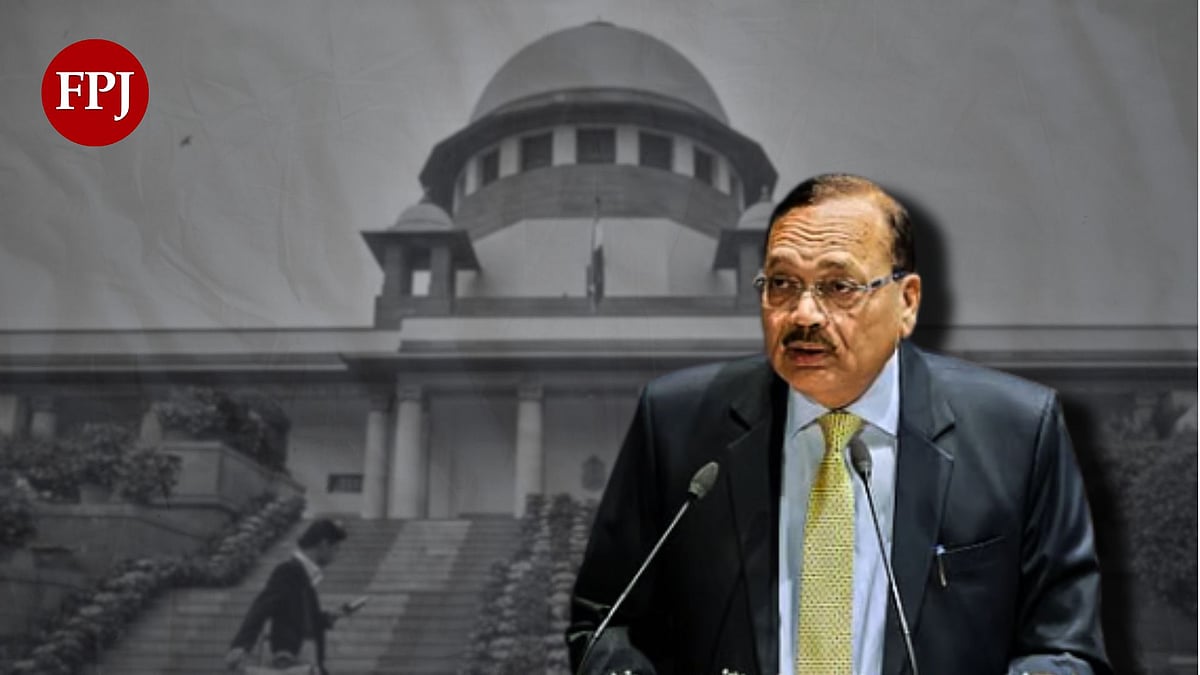
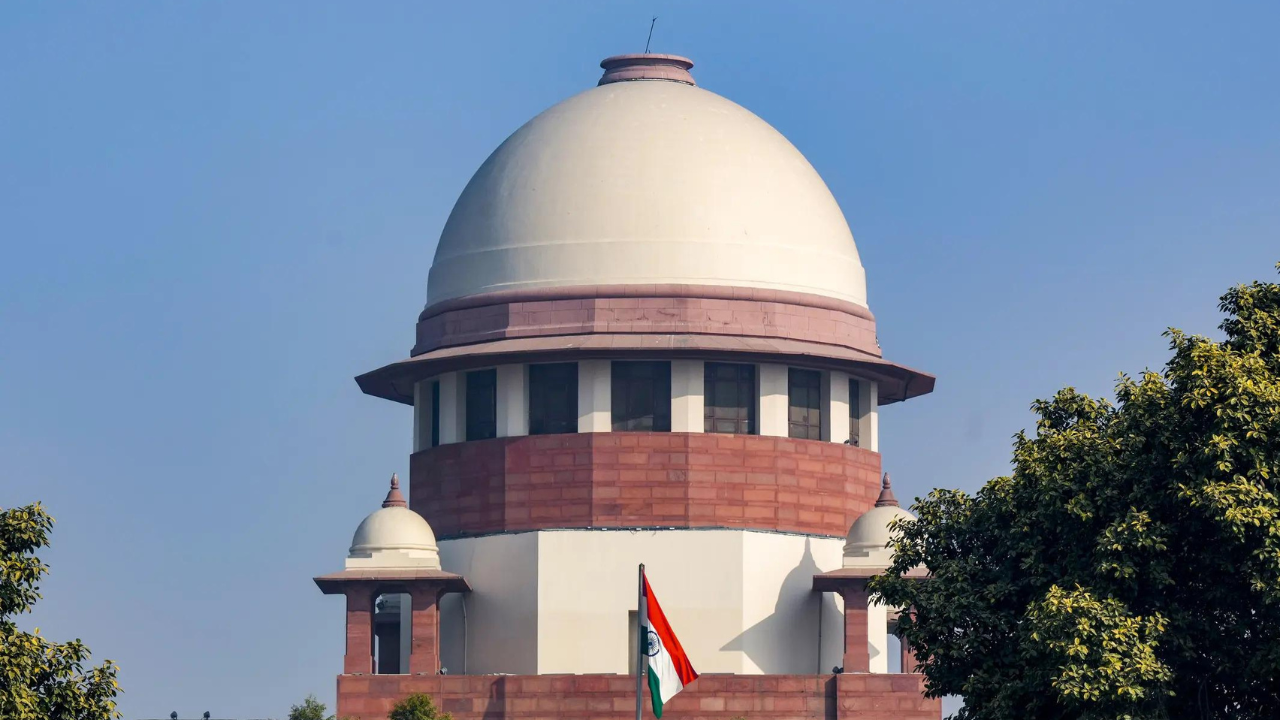
Chief Justice of India (CJI) Surya Kant has dismissed media reports claiming that he had refused to hear a plea regarding alleged police action against student protesters during the recent NEET-UG protest. The CJI clarified that no writ petition had been filed before the Supreme Court, and only a letter representation had been submitted.
The clarification was made in open court, where CJI Kant stated that reports suggesting the apex court had declined to hear the matter were 'completely false' and based on irresponsible reporting. He added that he had personally verified the position with the Supreme Court Registry before making the clarification.
The letter representation, addressed to CJI Kant, was submitted by advocate Narendra Mishra, who sought the apex court's suo motu intervention under Article 32 of the Constitution. The letter alleged violations of fundamental rights during the handling of the protest over the alleged NEET-UG 2026 paper leak.
Earlier this week, the Supreme Court had refused to take suo moto cognizance of the letter petition. When the counsel alleged police brutality during the protest and sought an urgent hearing, the CJI Kant-led Bench had responded by saying that the court's time should not be wasted.
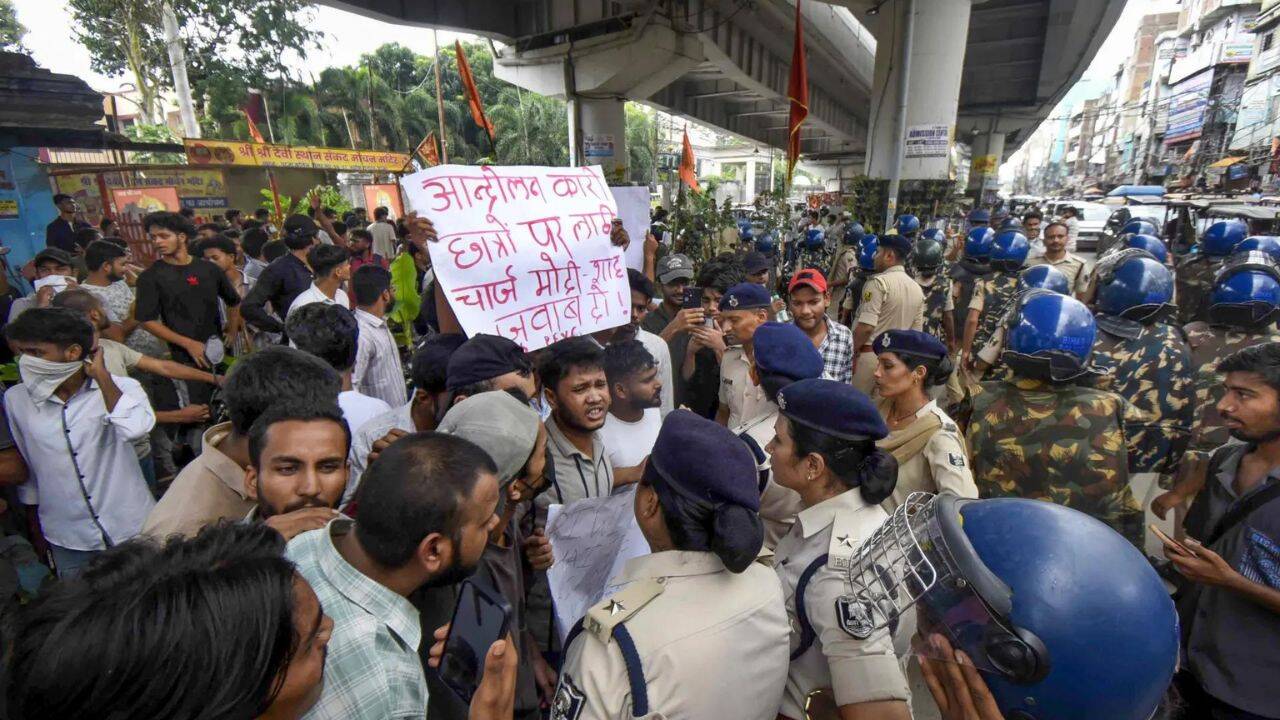
The protest was held over the alleged NEET-UG 2026 paper leak and demands for reforms in the examination system. The students were raising issues relating to the fair conduct of the NEET examination and reforms in the National Testing Agency (NTA), including its dissolution in light of repeated allegations of paper leaks.
The CJI's clarification comes amidst concerns over the handling of the protest and the alleged use of excessive force by Delhi Police against the students. The Supreme Court's decision not to intervene in the matter has been met with criticism from some quarters.
The incident highlights the need for responsible reporting and the importance of verifying facts before publishing news stories. The CJI's statement emphasizes the need for accuracy and truth in reporting, particularly in sensitive matters such as this.
In conclusion, the CJI's denial of refusing to hear the NEET-UG protest plea is a significant development in the case. The incident underscores the importance of responsible reporting and the need for accuracy in reporting sensitive matters.
The Supreme Court's decision not to intervene in the matter has significant implications for the students who were protesting against the alleged paper leak and demands for reforms in the examination system. The incident also raises questions about the handling of protests and the use of force by police against protesters.
The CJI's statement is a reminder of the importance of upholding the principles of justice and fairness in the country. The incident highlights the need for a thorough investigation into the allegations of police brutality and the need for reforms in the examination system.
The NEET-UG protest incident is a significant issue that affects the lives of many students in the country. The Supreme Court's decision not to intervene in the matter has been met with criticism from some quarters, and it remains to be seen how the issue will be resolved in the future.
The incident also raises questions about the role of the media in reporting sensitive matters. The CJI's statement emphasizes the need for responsible reporting and the importance of verifying facts before publishing news stories.
In the end, the CJI's denial of refusing to hear the NEET-UG protest plea is a significant development in the case. The incident highlights the need for responsible reporting, accuracy, and fairness in reporting sensitive matters.
Frequently asked questions
What was the CJI's response to the NEET-UG protest plea?
The CJI denied refusing to hear the plea, stating that no writ petition had been filed and only a letter representation had been submitted.
Why did the Supreme Court refuse to take suo moto cognizance of the letter petition?
The Supreme Court refused to take suo moto cognizance of the letter petition as it did not meet the necessary criteria for intervention.