Argentine Ants Threaten California Crops
Invasive ants protect pests, hurting citrus and vineyards. Farmers face challenges.
'%3E%3Crect%20width%3D'96'%20height%3D'96'%20fill%3D'%23B3261E'%2F%3E%3Ccircle%20cx%3D'30'%20cy%3D'24'%20r%3D'44'%20fill%3D'%23fff'%20opacity%3D'.12'%2F%3E%3Ccircle%20cx%3D'60'%20cy%3D'74'%20r%3D'40'%20fill%3D'%23000'%20opacity%3D'.10'%2F%3E%3C%2Fg%3E%3Cg%20fill%3D'%23fff'%3E%3Crect%20x%3D'29'%20y%3D'49'%20width%3D'8'%20height%3D'19'%20rx%3D'1'%2F%3E%3Crect%20x%3D'39'%20y%3D'40'%20width%3D'9'%20height%3D'28'%20rx%3D'1'%2F%3E%3Crect%20x%3D'50'%20y%3D'45'%20width%3D'8'%20height%3D'23'%20rx%3D'1'%2F%3E%3Crect%20x%3D'60'%20y%3D'53'%20width%3D'7'%20height%3D'15'%20rx%3D'1'%2F%3E%3Crect%20x%3D'41'%20y%3D'34'%20width%3D'5'%20height%3D'6'%2F%3E%3C%2Fg%3E%3C%2Fsvg%3E)
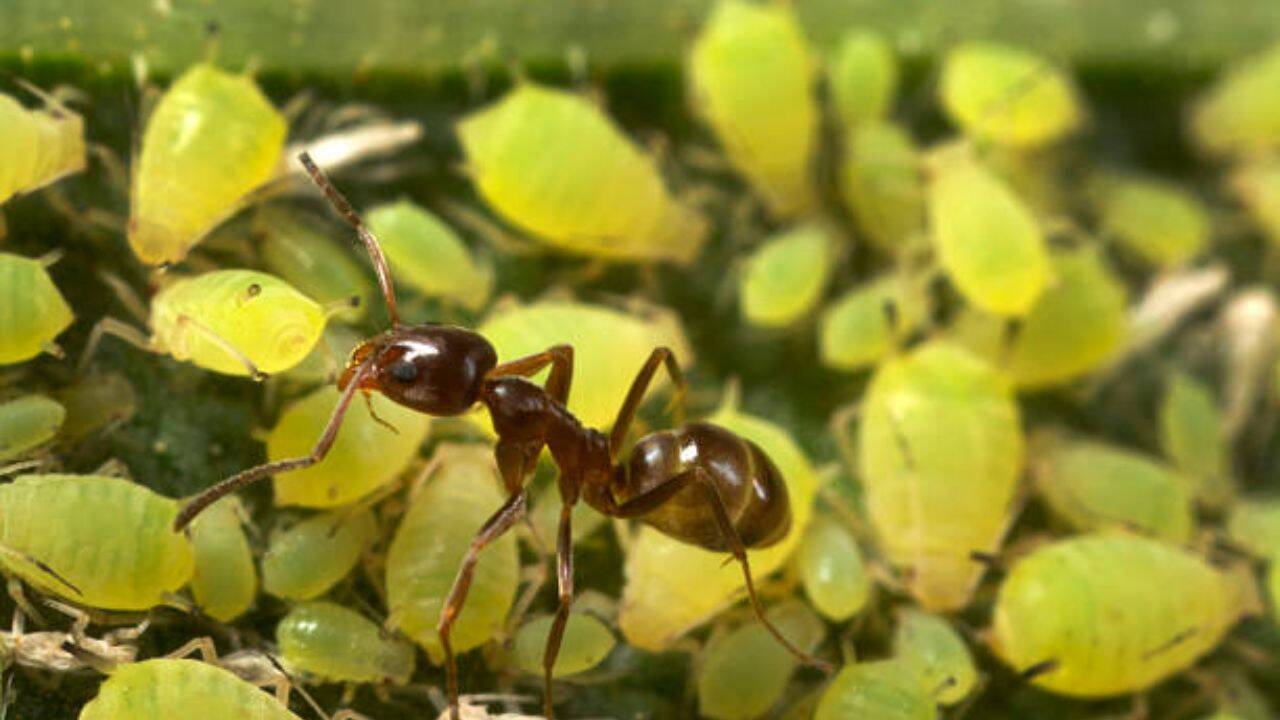
Argentine ants, first spotted in the U.S. in 1891, have formed a unique relationship with sap-feeding insects, posing a significant threat to California's citrus groves and vineyards.
The ants' expansion in California is facilitated by the state's favorable climate and human activity, allowing them to spread rapidly. This symbiotic relationship between the ants and other pests creates a challenging situation for farmers, as the ants protect these pests from natural predators and other insects that might harm them.
The Argentine ant population has been growing steadily, and their ability to work together with other pests has made them a formidable force in the state's agricultural landscape. To effectively manage the situation, farmers and pest control experts must tackle both the ant populations and their pest partners as interconnected issues.
California's citrus and vineyard industries are particularly vulnerable to the damage caused by these invasive ants and their pest partners. The ants' ability to protect and nurture these pests allows them to thrive, resulting in significant crop damage and economic losses for farmers.
The unique relationship between the Argentine ants and sap-feeding insects is a key factor in the challenges faced by California farmers. By working together, these pests are able to overcome natural defenses and exploit the state's agricultural resources.
To combat this issue, farmers and researchers are exploring new strategies for managing the ant populations and their pest partners. This includes the use of targeted pesticides, biological control methods, and cultural practices that disrupt the ants' ability to work with other pests.
The situation in California serves as a reminder of the importance of addressing invasive species and their impact on local ecosystems. By taking a comprehensive approach to managing the Argentine ant population and their pest partners, farmers and researchers can work towards mitigating the damage caused by these invasive pests.
In the long run, finding effective solutions to this problem will be crucial for the sustainability of California's agricultural industries. The state's farmers and researchers must continue to work together to develop and implement strategies that address the complex relationships between invasive species and their impact on local ecosystems.
The impact of Argentine ants on California's crops is a significant concern, and addressing this issue will require a coordinated effort from farmers, researchers, and policymakers. By working together, they can develop effective solutions to mitigate the damage caused by these invasive pests and protect the state's agricultural industries.
In conclusion, the threat posed by Argentine ants to California's crops is a complex issue that requires a comprehensive approach. By tackling both the ant populations and their pest partners, farmers and researchers can work towards finding effective solutions to this problem and ensuring the long-term sustainability of the state's agricultural industries.
Frequently asked questions
What is the main challenge posed by Argentine ants to California farmers?
The main challenge is the ants' ability to protect and nurture other pests, resulting in significant crop damage and economic losses.
How are farmers and researchers addressing the issue of Argentine ants?
They are exploring new strategies for managing the ant populations and their pest partners, including targeted pesticides and biological control methods.