Nawada Village Gets Permanent Bridge After Decades Of Isolation
Nawada village, birthplace of revolutionary martyr Thakur Roshan Singh, gets permanent bridge. Improved connectivity for villagers.
'%3E%3Crect%20width%3D'96'%20height%3D'96'%20fill%3D'%231A5276'%2F%3E%3Ccircle%20cx%3D'30'%20cy%3D'24'%20r%3D'44'%20fill%3D'%23fff'%20opacity%3D'.12'%2F%3E%3Ccircle%20cx%3D'60'%20cy%3D'74'%20r%3D'40'%20fill%3D'%23000'%20opacity%3D'.10'%2F%3E%3C%2Fg%3E%3Cg%20fill%3D'%23fff'%3E%3Cpath%20d%3D'M31%2041%20L48%2031%20L65%2041%20Z'%2F%3E%3Crect%20x%3D'33'%20y%3D'43'%20width%3D'4'%20height%3D'17'%2F%3E%3Crect%20x%3D'41'%20y%3D'43'%20width%3D'4'%20height%3D'17'%2F%3E%3Crect%20x%3D'51'%20y%3D'43'%20width%3D'4'%20height%3D'17'%2F%3E%3Crect%20x%3D'59'%20y%3D'43'%20width%3D'4'%20height%3D'17'%2F%3E%3Crect%20x%3D'30'%20y%3D'62'%20width%3D'36'%20height%3D'4'%20rx%3D'1'%2F%3E%3C%2Fg%3E%3C%2Fsvg%3E)
On August 8, 2026, the village of Nawada in Shahjahanpur district, Uttar Pradesh, marked a significant milestone in its history. The birthplace of revolutionary martyr Thakur Roshan Singh, who was executed for his role in India's freedom struggle, had remained cut off from mainstream development for decades due to the absence of a permanent bridge over the Khannaut River.
The isolation had affected several generations of residents, with the area remaining disconnected from surrounding regions for four to five months every year during the monsoon season. This had severely impacted access to essential services such as hospitals, schools, colleges, and markets.
However, after representations were made to the Uttar Pradesh government following the formation of the Yogi Adityanath administration, a permanent bridge was approved in place of the earlier pontoon bridge. The project was sanctioned on February 25, 2018, along with road connectivity works and a degree college project for the area.
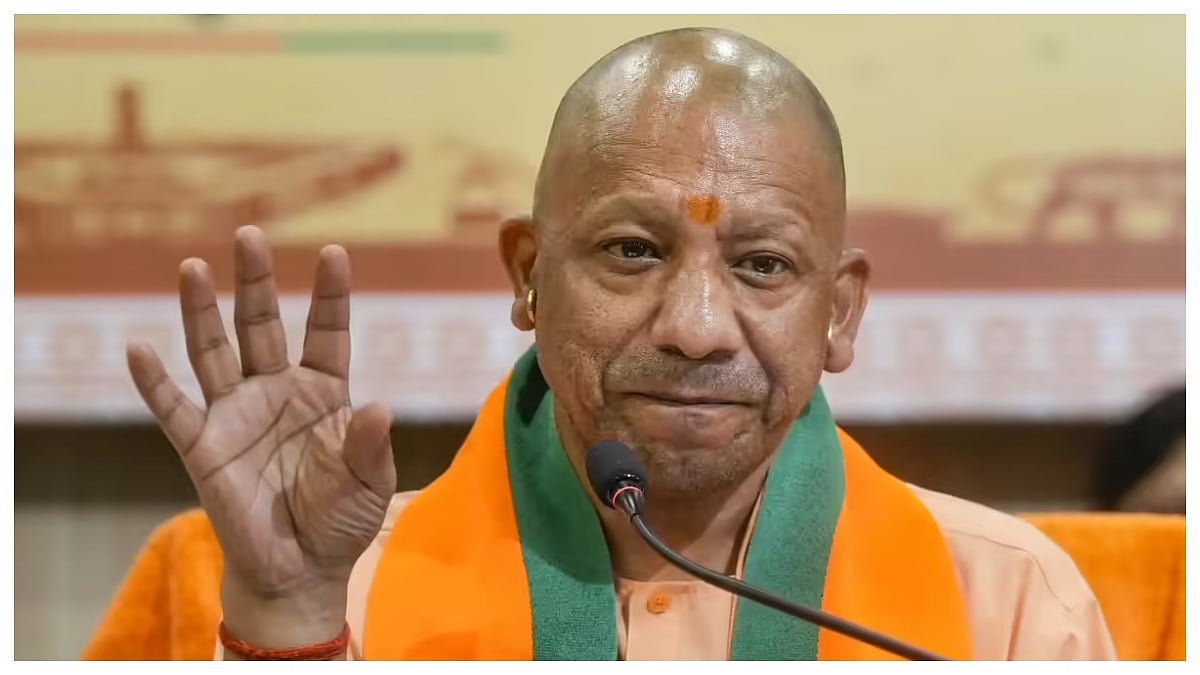
Chief Minister Yogi Adityanath later visited Nawada village on December 30, 2018, and inaugurated the bridge. He also paid tribute at the statue of Thakur Roshan Singh and met members of his family. The occasion was described as an emotional moment that marked the end of decades of neglect.
Thakur Roshan Singh was a prominent figure in India's freedom struggle. Born on December 19, 1892, in Nawada village, he participated in Mahatma Gandhi's Non-Cooperation Movement and later became associated with the Hindustan Republican Association (HRA). He was imprisoned for two years after participating in protests in Bareilly in 1922 and was later linked to revolutionary activities connected with the HRA.
Roshan Singh was tried along with Ram Prasad Bismil, Ashfaqulla Khan, and Rajendra Nath Lahiri and was sentenced to death. He was executed at Naini Jail in Prayagraj on December 19, 1927.
The permanent bridge has significantly improved connectivity for Nawada Darowast and nearby villages. Ambulances can now reach the area more quickly, students can travel more easily for education, and farmers have better access to markets for transporting their produce.
With plans for a degree college and the development of the martyr's ancestral home as a memorial, local residents believe the village is now receiving recognition linked to Thakur Roshan Singh's contribution to India's freedom struggle. The development is being seen locally as both an infrastructure improvement and a symbolic recognition of the sacrifice associated with one of the prominent revolutionaries of the Kakori era.
The improved connectivity is expected to have a positive impact on the lives of the villagers, providing them with better access to essential services and opportunities for economic growth. The recognition of Thakur Roshan Singh's contribution to India's freedom struggle is also a testament to the government's efforts to honor the country's rich history and cultural heritage.
In conclusion, the construction of the permanent bridge in Nawada village marks a significant milestone in the village's history, providing improved connectivity and recognition of the sacrifice of Thakur Roshan Singh. The development is a step towards bridging the gap between the village and the rest of the country, and is expected to have a positive impact on the lives of the villagers.
The legacy of Thakur Roshan Singh continues to inspire people, and the development of his ancestral home as a memorial is a fitting tribute to his contribution to India's freedom struggle. The village of Nawada is now poised to become a symbol of the country's rich history and cultural heritage, and the improved connectivity is expected to attract tourists and scholars interested in learning more about the life and times of Thakur Roshan Singh.
The government's efforts to develop the infrastructure in the village are also expected to have a positive impact on the local economy, providing opportunities for economic growth and development. The construction of the permanent bridge is a significant step towards achieving this goal, and is expected to have a lasting impact on the lives of the villagers.
Overall, the construction of the permanent bridge in Nawada village is a significant development that is expected to have a positive impact on the lives of the villagers. The improved connectivity and recognition of the sacrifice of Thakur Roshan Singh are a testament to the government's efforts to honor the country's rich history and cultural heritage, and are expected to have a lasting impact on the village and its people.
Frequently asked questions
Who was Thakur Roshan Singh
Thakur Roshan Singh was a revolutionary martyr who was executed for his role in India's freedom struggle.
What is the significance of the permanent bridge in Nawada village
The permanent bridge has improved connectivity for Nawada Darowast and nearby villages, providing better access to essential services and opportunities for economic growth.