Badminton Faces Challenges Globally
Badminton's global reach, limited resources in some nations
'%3E%3Crect%20width%3D'96'%20height%3D'96'%20fill%3D'%231B5E20'%2F%3E%3Ccircle%20cx%3D'30'%20cy%3D'24'%20r%3D'44'%20fill%3D'%23fff'%20opacity%3D'.12'%2F%3E%3Ccircle%20cx%3D'60'%20cy%3D'74'%20r%3D'40'%20fill%3D'%23000'%20opacity%3D'.10'%2F%3E%3C%2Fg%3E%3Cg%3E%3Ccircle%20cx%3D'48'%20cy%3D'48'%20r%3D'15'%20fill%3D'%23fff'%2F%3E%3Cpath%20d%3D'M43%2034%20Q50%2048%2043%2062'%20fill%3D'none'%20stroke%3D'%238a94a6'%20stroke-width%3D'2.4'%2F%3E%3Cpath%20d%3D'M47%2033%20Q54%2048%2047%2063'%20fill%3D'none'%20stroke%3D'%238a94a6'%20stroke-width%3D'1.8'%20stroke-dasharray%3D'1.5%203'%2F%3E%3C%2Fg%3E%3C%2Fsvg%3E)
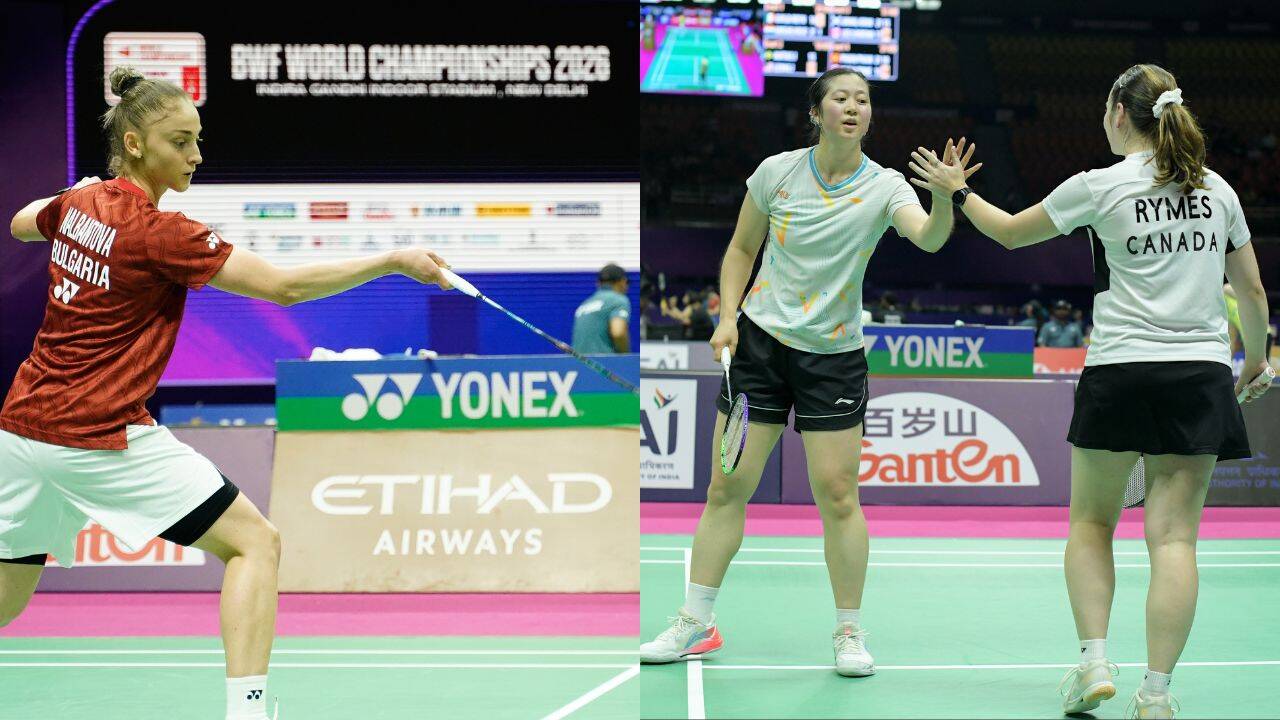
The 2026 BWF World Championships have brought attention to the global reach of badminton, with top representation from Asian powerhouses and Denmark. However, nations like Bulgaria, Uganda, and South Africa have fewer athletes and limited resources, making it challenging for them to compete at the same level.
Despite these challenges, the stories of badminton players from these countries underscore their dedication and growth in the sport. Badminton is often perceived as a popular sport in Asia, but its global presence is expanding, with many countries investing in the development of the sport.
The limited resources in countries like Uganda and Bulgaria make it difficult for players to access quality training facilities, coaching, and equipment. Additionally, the lack of funding and support from governments and sponsors hinders the growth of the sport in these nations.
In Uganda, badminton is often referred to as a 'lady's sport', which can make it difficult for male players to get recognition and support. However, the Uganda Badminton Association is working to promote the sport and increase participation among both males and females.
In Canada, badminton is a popular recreational sport, but it faces challenges in terms of funding and support for elite players. The Canadian Badminton Association is working to develop the sport and increase its profile, with a focus on grassroots development and high-performance training.
Bulgaria, on the other hand, has a rich history of producing talented badminton players, but the sport has struggled to gain popularity in recent years. The Bulgarian Badminton Federation is working to revive the sport and increase participation among young players.
The 2026 BWF World Championships provide a platform for players from around the world to compete and showcase their skills. While the challenges faced by nations like Uganda, Canada, and Bulgaria are significant, the dedication and growth of the sport in these countries are a testament to the power of badminton to bring people together and promote healthy lifestyles.
The global reach of badminton is a significant aspect of the sport, with players from over 100 countries participating in international competitions. The sport's popularity is growing, with many countries investing in badminton infrastructure and development programs.
In conclusion, while badminton faces challenges globally, the sport's growth and dedication in nations like Uganda, Canada, and Bulgaria are a positive sign for the future of the sport. With continued support and investment, badminton can become a truly global sport, with players from all over the world competing at the highest level.
Frequently asked questions
What are the challenges faced by badminton players in Uganda?
Badminton players in Uganda face challenges such as limited resources, lack of funding, and the perception that badminton is a 'lady's sport'.
How is the Canadian Badminton Association working to develop the sport?
The Canadian Badminton Association is working to develop the sport through grassroots development and high-performance training.