US, Iran Set Conditions for Strait of Hormuz Reopening
Tensions rise as US and Iran negotiate reopening of key waterway. Conditions set for resolution.
'%3E%3Crect%20width%3D'96'%20height%3D'96'%20fill%3D'%234A235A'%2F%3E%3Ccircle%20cx%3D'30'%20cy%3D'24'%20r%3D'44'%20fill%3D'%23fff'%20opacity%3D'.12'%2F%3E%3Ccircle%20cx%3D'60'%20cy%3D'74'%20r%3D'40'%20fill%3D'%23000'%20opacity%3D'.10'%2F%3E%3C%2Fg%3E%3Cg%20fill%3D'none'%20stroke%3D'%23fff'%20stroke-width%3D'3'%3E%3Ccircle%20cx%3D'48'%20cy%3D'48'%20r%3D'16'%2F%3E%3Cellipse%20cx%3D'48'%20cy%3D'48'%20rx%3D'6.5'%20ry%3D'16'%2F%3E%3Cline%20x1%3D'32'%20y1%3D'42'%20x2%3D'64'%20y2%3D'42'%2F%3E%3Cline%20x1%3D'32'%20y1%3D'54'%20x2%3D'64'%20y2%3D'54'%2F%3E%3C%2Fg%3E%3C%2Fsvg%3E)
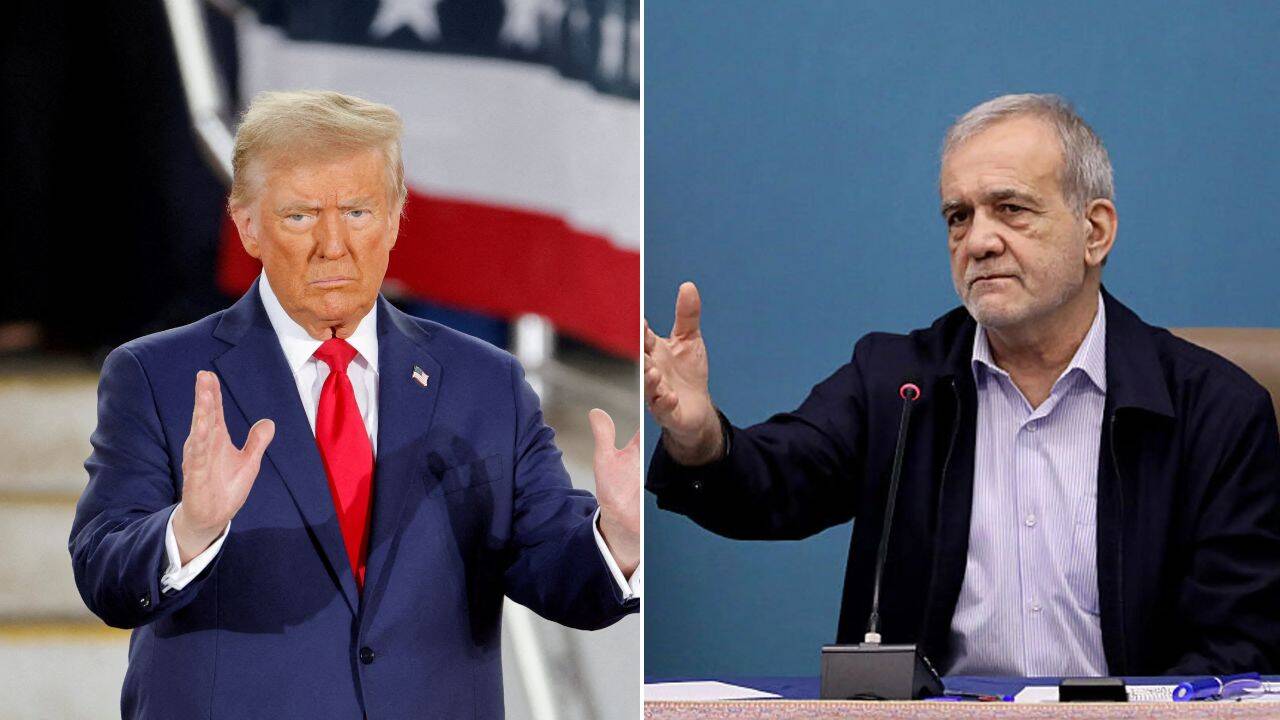
The Strait of Hormuz, a vital waterway connecting the Persian Gulf to the Gulf of Oman, has been at the center of a standoff between the United States and Iran. The two nations have been engaged in a diplomatic tug-of-war, with both sides setting conditions for the reopening of the waterway.
The US has been pushing for Iran to comply with international maritime laws and respect the freedom of navigation in the Strait. The US has also demanded that Iran release American citizens detained in the country and cease its support for militant groups in the region.
On the other hand, Iran has set its own conditions for the reopening of the Strait. Iran wants the US to lift economic sanctions imposed on the country and recognize its right to navigate through the waterway. Iran has also demanded that the US cease its military presence in the region and stop interfering in its internal affairs.
The Strait of Hormuz is a critical waterway, with nearly 20% of the world's oil passing through it. The standoff has raised concerns about the impact on global oil supplies and the potential for conflict in the region.
The US and Iran have been engaged in a war of words, with both sides accusing each other of aggression and provocation. The situation has been further complicated by the presence of other nations in the region, including China and the European Union, which have their own interests and stakes in the dispute.
Despite the tensions, there are indications that both sides are willing to negotiate a resolution. The US has hinted that it is open to talks with Iran, while Iran has suggested that it is willing to compromise on some of its demands.
The reopening of the Strait of Hormuz is crucial for the global economy, as it would ensure the free flow of oil and other goods through the waterway. However, the conditions set by both the US and Iran will need to be addressed through diplomatic efforts to resolve the standoff.
The situation in the Strait of Hormuz is complex and multifaceted, with various nations and interests at play. A resolution to the standoff will require careful diplomacy and a willingness to compromise from all parties involved.
In the meantime, the global community is watching the situation closely, aware of the potential consequences of a conflict in the region. The US and Iran must work towards a peaceful resolution, one that addresses the concerns of both sides and ensures the stability of the region.
The Strait of Hormuz standoff is a reminder of the complexities and challenges of international diplomacy. It highlights the need for nations to work together to resolve disputes and promote peace and stability in the region.
In conclusion, the US and Iran have set conditions for the reopening of the Strait of Hormuz, a critical waterway that is vital for global oil supplies. While there are indications that both sides are willing to negotiate, a resolution will require careful diplomacy and a willingness to compromise. The global community is watching the situation closely, aware of the potential consequences of a conflict in the region.
Frequently asked questions
What is the Strait of Hormuz and why is it important?
The Strait of Hormuz is a vital waterway connecting the Persian Gulf to the Gulf of Oman, with nearly 20% of the world's oil passing through it.
What conditions have the US and Iran set for the reopening of the Strait?
The US has demanded that Iran comply with international maritime laws and respect the freedom of navigation, while Iran wants the US to lift economic sanctions and recognize its right to navigate through the waterway.