Govt May Reimburse CBAM Costs For Small Steel Exporters
Government considers proposal to support small steel exporters, reimburse CBAM costs.

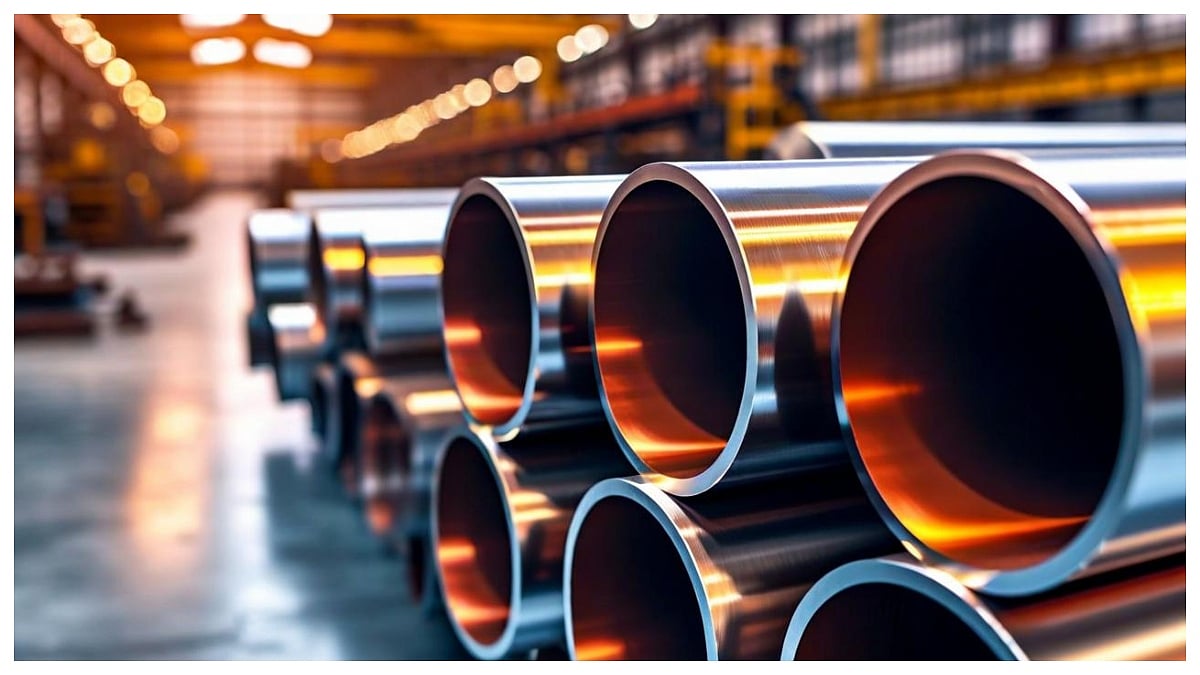
The Indian government is considering a proposal to support micro and small steel exporters by reimbursing a significant portion of the costs involved in complying with the European Union's Carbon Border Adjustment Mechanism (CBAM).
The proposal aims to include expenses related to CBAM certification and third-party verification under the Trade Regulations, Accreditation and Compliance Enablement (TRACE) intervention of the Export Promotion Mission (EPM). Currently, such costs are not specifically covered under the scheme.
According to sources, eligible micro and small exporters may receive reimbursement of up to 90% of the certification and verification expenses. The concerned ministry has reportedly agreed in principle to provide support, and the proposal has been sent to the Directorate General of Foreign Trade (DGFT) for consideration before being placed before the Empowered Committee.
The EU's CBAM has entered its definitive phase from January 1, applying to carbon-intensive imports, including iron and steel, aluminium, cement, fertilisers, hydrogen, and electricity. Under CBAM rules, European importers must report the embedded carbon emissions in imported goods and surrender CBAM certificates based on the emissions linked to those products.
Indian steel exporters will need to hire EU-approved verification agencies to audit their production processes, validate emissions data, and issue compliance certificates. The certification process is expected to cost around Rs 10 lakh per company, creating a significant financial burden for smaller exporters.
While larger companies may have the resources to absorb these additional expenses, micro and small enterprises are expected to face greater challenges in meeting the new requirements. Industry stakeholders have requested that CBAM certification costs be treated similarly to other export-related testing, inspection, and certification expenses already eligible for reimbursement under the TRACE framework.
The proposal, if cleared, could provide relief not only to small steel exporters but also to other carbon-intensive sectors such as aluminium and cement that fall under the scope of CBAM. The mechanism does not impose a direct tariff on steel imports but effectively increases costs for products with higher carbon footprints, encouraging exporters to adopt cleaner production practices and improve emissions reporting.
Once approved, export promotion councils will be able to submit reimbursement claims on behalf of eligible exporters. This move is expected to support the growth of micro and small steel exporters in India, enabling them to compete in the global market while adopting sustainable practices.
The government's consideration of this proposal reflects its commitment to promoting Indian exports and supporting small and medium-sized enterprises. The reimbursement of CBAM certification costs could be a significant step towards reducing the financial burden on small steel exporters and encouraging them to adopt environmentally friendly practices.
In the long run, this move could contribute to India's efforts to reduce its carbon footprint and promote sustainable development. The government's support for small steel exporters could also have a positive impact on the overall economy, as the steel industry is a significant contributor to India's GDP.
The proposal is currently under consideration, and its approval could provide a much-needed boost to small steel exporters in India. As the EU's CBAM continues to evolve, the Indian government's support for small exporters will be crucial in helping them navigate the new requirements and remain competitive in the global market.
The reimbursement of CBAM certification costs is a significant development for small steel exporters in India, and its impact will be closely watched by industry stakeholders and exporters. As the government continues to consider the proposal, small steel exporters are hopeful that they will receive the support they need to comply with the EU's CBAM and remain competitive in the global market.
In conclusion, the government's proposal to reimburse CBAM certification costs for small steel exporters is a significant step towards supporting the growth of micro and small enterprises in India. The move could provide relief to small steel exporters, encourage them to adopt sustainable practices, and contribute to India's efforts to reduce its carbon footprint.
The proposal's approval could have a positive impact on the overall economy, and its implementation will be closely watched by industry stakeholders and exporters. As the EU's CBAM continues to evolve, the Indian government's support for small exporters will be crucial in helping them navigate the new requirements and remain competitive in the global market.
The government's consideration of this proposal reflects its commitment to promoting Indian exports and supporting small and medium-sized enterprises. The reimbursement of CBAM certification costs could be a significant step towards reducing the financial burden on small steel exporters and encouraging them to adopt environmentally friendly practices.
The proposal is a significant development for small steel exporters in India, and its impact will be closely watched by industry stakeholders and exporters. As the government continues to consider the proposal, small steel exporters are hopeful that they will receive the support they need to comply with the EU's CBAM and remain competitive in the global market.
The move could provide a much-needed boost to small steel exporters in India, enabling them to compete in the global market while adopting sustainable practices. The government's support for small steel exporters could also have a positive impact on the overall economy, as the steel industry is a significant contributor to India's GDP.
In the end, the proposal's approval could be a significant step towards promoting the growth of micro and small steel exporters in India, encouraging them to adopt sustainable practices, and contributing to India's efforts to reduce its carbon footprint.
The government's consideration of this proposal is a positive development for small steel exporters in India, and its implementation will be closely watched by industry stakeholders and exporters. As the EU's CBAM continues to evolve, the Indian government's support for small exporters will be crucial in helping them navigate the new requirements and remain competitive in the global market.
What it means for India is that the government is taking steps to support small steel exporters, which could have a positive impact on the overall economy. The move could also contribute to India's efforts to reduce its carbon footprint and promote sustainable development.
The proposal's approval could be a significant step towards promoting the growth of micro and small steel exporters in India, enabling them to compete in the global market while adopting sustainable practices. The government's support for small steel exporters could also have a positive impact on the overall economy, as the steel industry is a significant contributor to India's GDP.
In conclusion, the government's proposal to reimburse CBAM certification costs for small steel exporters is a significant step towards supporting the growth of micro and small enterprises in India. The move could provide relief to small steel exporters, encourage them to adopt sustainable practices, and contribute to India's efforts to reduce its carbon footprint.
The proposal is a significant development for small steel exporters in India, and its impact will be closely watched by industry stakeholders and exporters. As the government continues to consider the proposal, small steel exporters are hopeful that they will receive the support they need to comply with the EU's CBAM and remain competitive in the global market.
The government's consideration of this proposal reflects its commitment to promoting Indian exports and supporting small and medium-sized enterprises. The reimbursement of CBAM certification costs could be a significant step towards reducing the financial burden on small steel exporters and encouraging them to adopt environmentally friendly practices.
The move could provide a much-needed boost to small steel exporters in India, enabling them to compete in the global market while adopting sustainable practices. The government's support for small steel exporters could also have a positive impact on the overall economy, as the steel industry is a significant contributor to India's GDP.
The proposal's approval could be a significant step towards promoting the growth of micro and small steel exporters in India, encouraging them to adopt sustainable practices, and contributing to India's efforts to reduce its carbon footprint.
The government's consideration of this proposal is a positive development for small steel exporters in India, and its implementation will be closely watched by industry stakeholders and exporters. As the EU's CBAM continues to evolve, the Indian government's support for small exporters will be crucial in helping them navigate the new requirements and remain competitive in the global market.
What it means for India is that the government is taking steps to support small steel exporters, which could have a positive impact on the overall economy. The move could also contribute to India's efforts to reduce its carbon footprint and promote sustainable development.
The proposal's approval could be a significant step towards promoting the growth of micro and small steel exporters in India, enabling them to compete in the global market while adopting sustainable practices. The government's support for small steel exporters could also have a positive impact on the overall economy, as the steel industry is a significant contributor to India's GDP.