MMRDA May Rebuild Metro 7A Viaduct, Rs 260cr Loss Possible
Design lapse in Metro 7A, MMRDA faces rebuilding costs, public funds at risk
'%3E%3Crect%20width%3D'96'%20height%3D'96'%20fill%3D'%23B3261E'%2F%3E%3Ccircle%20cx%3D'30'%20cy%3D'24'%20r%3D'44'%20fill%3D'%23fff'%20opacity%3D'.12'%2F%3E%3Ccircle%20cx%3D'60'%20cy%3D'74'%20r%3D'40'%20fill%3D'%23000'%20opacity%3D'.10'%2F%3E%3C%2Fg%3E%3Cg%20fill%3D'%23fff'%3E%3Crect%20x%3D'29'%20y%3D'49'%20width%3D'8'%20height%3D'19'%20rx%3D'1'%2F%3E%3Crect%20x%3D'39'%20y%3D'40'%20width%3D'9'%20height%3D'28'%20rx%3D'1'%2F%3E%3Crect%20x%3D'50'%20y%3D'45'%20width%3D'8'%20height%3D'23'%20rx%3D'1'%2F%3E%3Crect%20x%3D'60'%20y%3D'53'%20width%3D'7'%20height%3D'15'%20rx%3D'1'%2F%3E%3Crect%20x%3D'41'%20y%3D'34'%20width%3D'5'%20height%3D'6'%2F%3E%3C%2Fg%3E%3C%2Fsvg%3E)
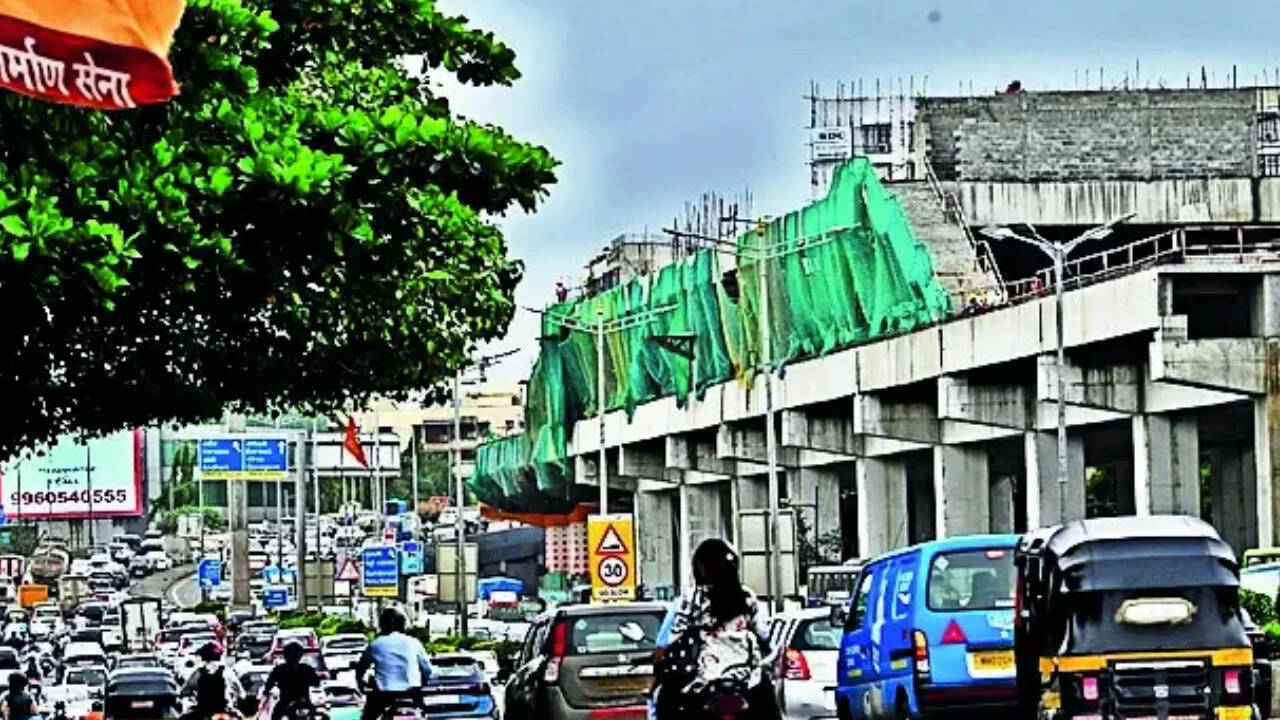
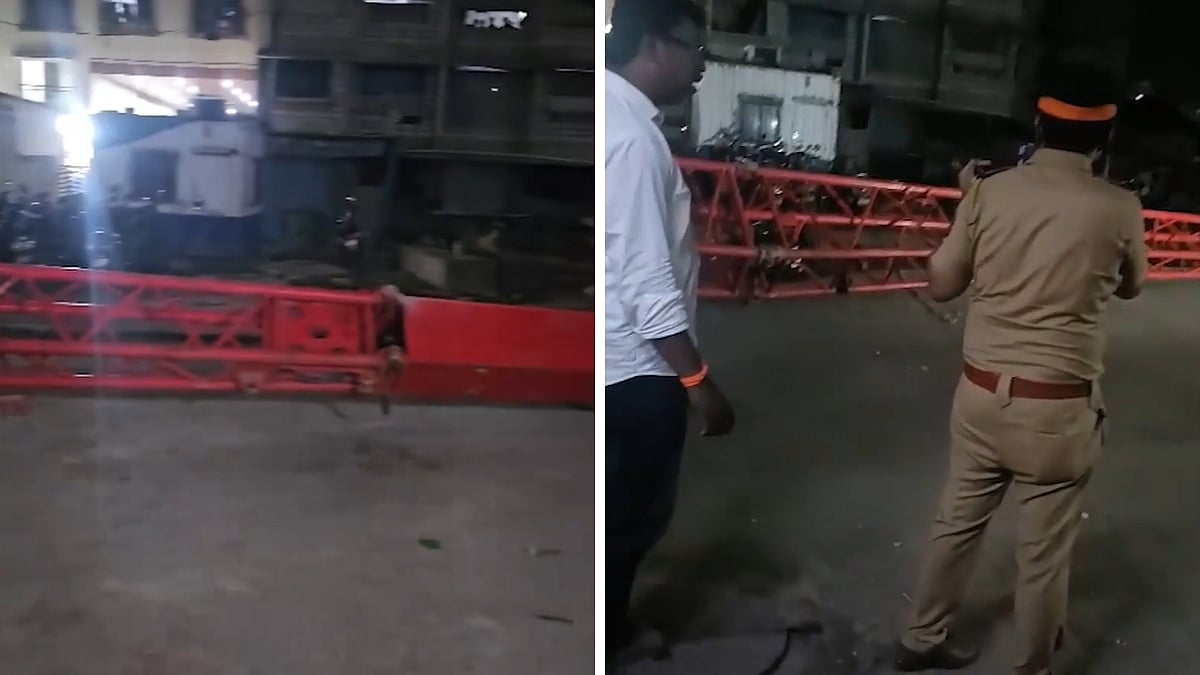
A significant design oversight in the Metro 7A project may force the Mumbai Metropolitan Region Development Authority (MMRDA) to rebuild a stretch of the viaduct, potentially resulting in a loss of Rs 260 crore in public funds. The error occurred when consultants failed to adequately consider airport height restrictions in the design and planning phase.
This oversight has significant implications for the project, as it affects the height of the elevated structure and the placement of overhead electrical equipment. Despite the fact that civil works on the project are already 71% complete, additional clearance ranging from 2.5cm to 2.4m is now required to ensure compliance with airport height regulations.
The Metro 7A project is a critical component of Mumbai's transportation infrastructure, and any delays or cost overruns will have significant consequences for the city's commuters. The MMRDA will need to take swift action to address this issue and minimize the potential losses.
The design lapse is a concern for the MMRDA, as it highlights the importance of careful planning and attention to detail in large-scale infrastructure projects. The authority will need to conduct a thorough review of the project's design and planning phases to identify the root cause of the error and take steps to prevent similar mistakes in the future.
The potential loss of Rs 260 crore in public funds is a significant concern, as it could have been avoided with more careful planning and design. The MMRDA will need to work closely with consultants and contractors to find a solution that minimizes costs and ensures the project's timely completion.
In the context of Mumbai's transportation infrastructure, the Metro 7A project is a vital component of the city's plans to reduce congestion and improve commute times. The project's success is critical to the city's economic and social development, and any delays or cost overruns will have far-reaching consequences.
The MMRDA's response to this issue will be closely watched, as it will have significant implications for the city's transportation infrastructure and the use of public funds. The authority must take swift and decisive action to address the design lapse and ensure the project's successful completion.
In conclusion, the design lapse in the Metro 7A project is a significant concern that requires immediate attention from the MMRDA. The potential loss of Rs 260 crore in public funds is a stark reminder of the importance of careful planning and attention to detail in large-scale infrastructure projects. The MMRDA must work closely with consultants and contractors to find a solution that minimizes costs and ensures the project's timely completion.
The impact of this issue on Mumbai's transportation infrastructure and the city's commuters cannot be overstated. The MMRDA must take swift action to address the design lapse and ensure the project's successful completion, as any delays or cost overruns will have significant consequences for the city's economic and social development.
What it means for Mumbai is that the city's transportation infrastructure is at a critical juncture, and the success of the Metro 7A project is vital to the city's plans to reduce congestion and improve commute times. The MMRDA's response to this issue will be closely watched, and the authority must take swift and decisive action to address the design lapse and ensure the project's successful completion.
Frequently asked questions
What is the potential loss in public funds due to the design lapse in Metro 7A?
The potential loss is Rs 260 crore.
What is the cause of the design lapse in the Metro 7A project?
The cause is the failure to adequately consider airport height restrictions in the design and planning phase.