Ayodhya Temple Sees Massive Footfall Amid Corruption Concerns
Ayodhya temple draws 100 million tourists yearly, but corruption and theft plague Indian temples.

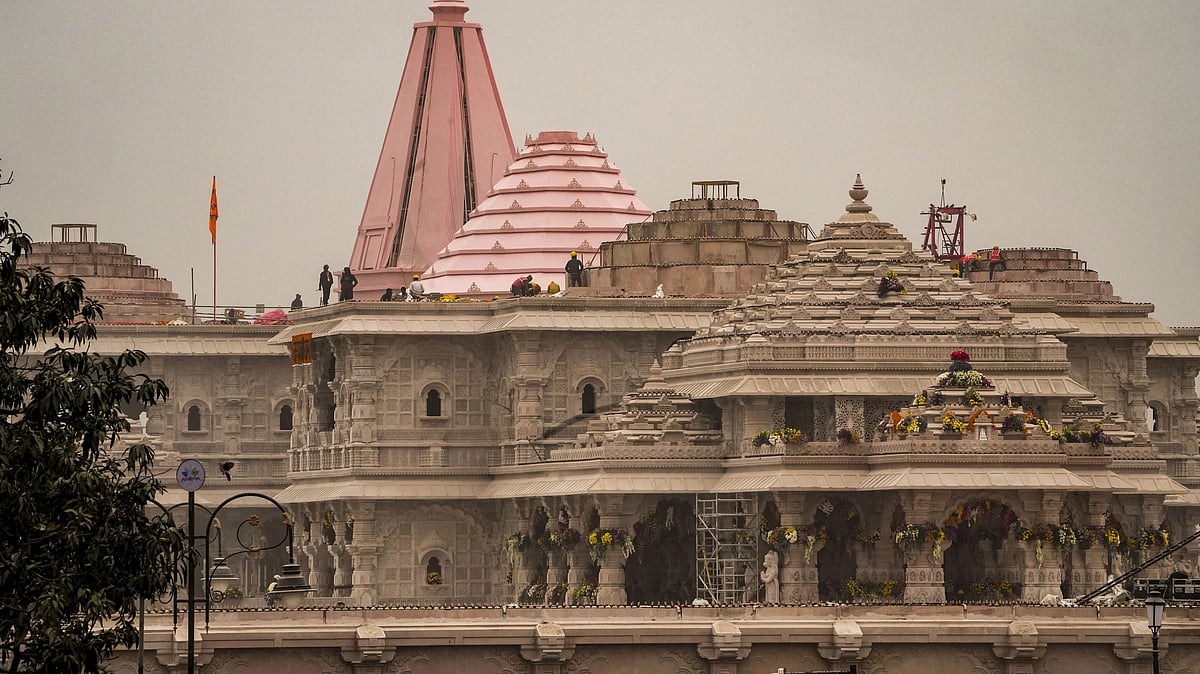
The Ayodhya temple, inaugurated by Prime Minister Modi in 2024, has seen a massive surge in devotees, with over 100 million tourists visiting every year. This is part of a larger trend, with Indian temples experiencing an unprecedented increase in footfall and revenue over the last decade.
The construction of the Kashi Vishwanath corridor in Varanasi, for example, has seen a significant rise in devotees, from five million in 2014 to an expected 150 million in 2026. Similarly, the four Dhams of Gangotri, Yamunotri, Kedarnath, and Badrinath saw over 52 lakh tourists visit between May and September 2025.
However, this increase in footfall and revenue has also raised concerns about corruption and theft in Indian temples. The Ayodhya temple, in particular, has been at the center of controversy, with many questioning the management and allocation of funds for its construction and development.
The Indian government has invested heavily in temple construction and development, with a $6 billion makeover for Ayodhya and an additional $15 billion allocated for 45 other key temple sites. This investment has already generated a revenue of over $10.8 billion in 2024, which is expected to double in the next five years.
Despite this investment, many Indian temples have been rocked by scandals and corruption. For example, gold from the gold-plated sanctum sanctorum of Kedarnath was stolen overnight, causing a major outrage. This has raised questions about the management and security of Indian temples, with many calling for greater transparency and accountability.
The transformation of Ayodhya from a quiet pilgrimage town to a major tourist hub has been significant, with the construction of the grand temple drawing millions of devotees. However, this transformation has also raised concerns about the commercialization of Indian temples and the potential for corruption and exploitation.
The Indian government's focus on temple construction and development has been seen as a key factor in the growth of the tourism industry, with many temples now boasting modern amenities and infrastructure. However, this growth has also raised concerns about the impact on local communities and the environment.
In conclusion, while the Ayodhya temple and other Indian temples have seen a significant increase in footfall and revenue, concerns about corruption and theft remain. The Indian government must ensure that the management and allocation of funds for temple construction and development are transparent and accountable, and that the interests of local communities and the environment are protected.
The issue of corruption and theft in Indian temples is a complex one, with many factors at play. However, by promoting transparency and accountability, and by ensuring that the management of temples is free from corruption and exploitation, the Indian government can help to protect the integrity of these sacred institutions and ensure that they continue to thrive for generations to come.
The question uppermost in the average Indian's mind is, why have our key shrines been allowed to become hubs of corruption and theft? The answer lies in the lack of transparency and accountability in the management of these temples, and the need for greater oversight and regulation. By addressing these issues, the Indian government can help to restore the faith and trust of the people in these sacred institutions.
In the end, the growth and development of Indian temples must be balanced with the need to protect their integrity and sanctity. This requires a nuanced approach that takes into account the complex factors at play, and that prioritizes transparency, accountability, and the protection of local communities and the environment.