Air India Pilot Fails Dope Test After Turbulence Incident
Air India pilot tests positive for psychoactive substance, taken off flying duties. Incident occurred after severe turbulence injured 13-17 people.
'%3E%3Crect%20width%3D'96'%20height%3D'96'%20fill%3D'%23B3261E'%2F%3E%3Ccircle%20cx%3D'30'%20cy%3D'24'%20r%3D'44'%20fill%3D'%23fff'%20opacity%3D'.12'%2F%3E%3Ccircle%20cx%3D'60'%20cy%3D'74'%20r%3D'40'%20fill%3D'%23000'%20opacity%3D'.10'%2F%3E%3C%2Fg%3E%3Cg%20fill%3D'%23fff'%3E%3Crect%20x%3D'29'%20y%3D'49'%20width%3D'8'%20height%3D'19'%20rx%3D'1'%2F%3E%3Crect%20x%3D'39'%20y%3D'40'%20width%3D'9'%20height%3D'28'%20rx%3D'1'%2F%3E%3Crect%20x%3D'50'%20y%3D'45'%20width%3D'8'%20height%3D'23'%20rx%3D'1'%2F%3E%3Crect%20x%3D'60'%20y%3D'53'%20width%3D'7'%20height%3D'15'%20rx%3D'1'%2F%3E%3Crect%20x%3D'41'%20y%3D'34'%20width%3D'5'%20height%3D'6'%2F%3E%3C%2Fg%3E%3C%2Fsvg%3E)
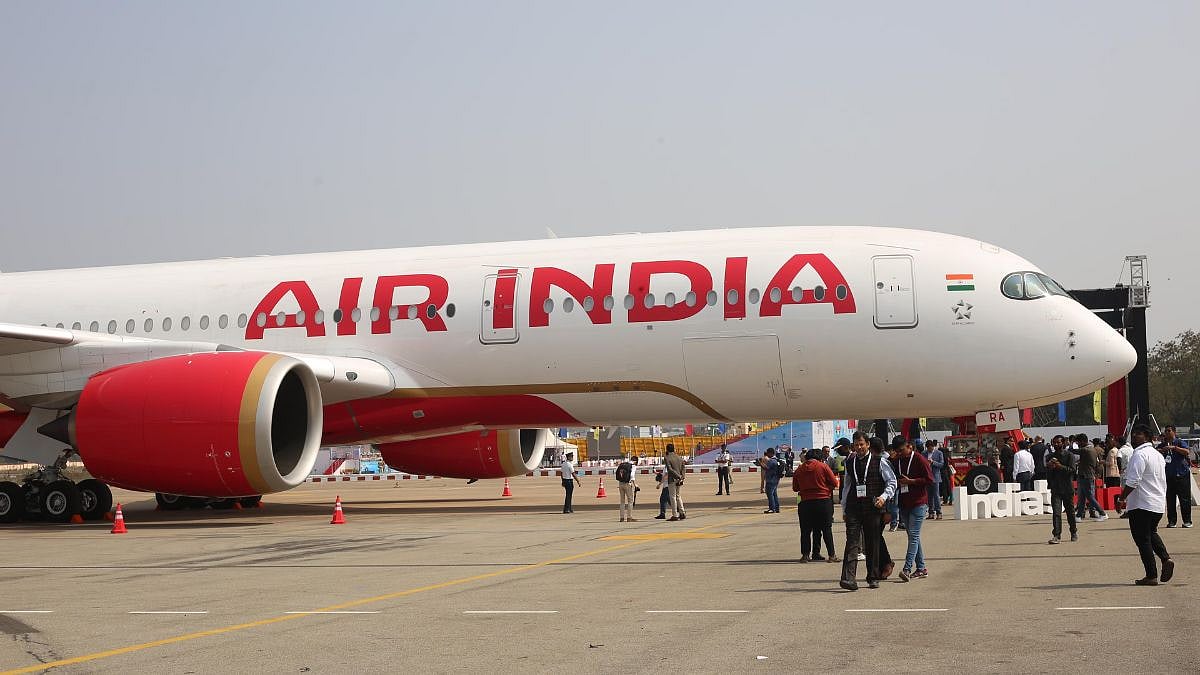
An Air India pilot has reportedly tested positive for a psychoactive substance during a post-flight screening after an incident of severe turbulence on a Phuket-Delhi flight. The flight, AI2379, encountered turbulence over Odisha on August 4, resulting in injuries to 13-17 people, including four crew members.
The pilot, who was operating the Airbus A320, was subjected to a post-flight screening as per applicable protocols. Although the results have not been officially confirmed by Air India or the Directorate General of Civil Aviation (DGCA), sources suggest that the substance detected was marijuana.
Air India has stated that it is aware of the post-flight screening test but has not received the results. The airline conducts regular drug testing of crew members as required under civil aviation regulations. Both pilots of the flight have been removed from flying duties pending the outcome of the investigation.
The DGCA is examining the incident from multiple angles, including the crew's handling of the turbulence and the decision to continue the flight to Delhi instead of diverting to a closer airport. The regulator is also investigating whether the incident was entirely weather-related and if the aircraft sustained any damage.
Under DGCA regulations, a first-time positive test for psychoactive substances can result in the crew member being referred for de-addiction and rehabilitation. The individual can return to flying duties only after completing the prescribed process, receiving fitness clearance, and testing negative. Repeat positive results can lead to more stringent action, including longer suspension or cancellation of the crew member's licence.
The incident has raised concerns about aviation safety and the measures in place to ensure that crew members are fit to fly. The matter remains under investigation, and the reported positive test result has significant implications for the pilot and the airline.
The DGCA's investigation will also examine the aircraft's maintenance and inspection records to determine if any technical issues contributed to the incident. The regulator will also review the crew's training and experience to determine if they were adequately prepared to handle the turbulence.
In the meantime, all 13 passengers who were injured in the incident have been discharged from hospital, while the four crew members are still undergoing treatment. The incident has highlighted the importance of ensuring that crew members are fit to fly and that airlines have robust measures in place to prevent such incidents.
The investigation is ongoing, and the outcome will have significant implications for the aviation industry. The incident serves as a reminder of the importance of prioritizing safety and ensuring that crew members are fit to fly.
In conclusion, the Air India pilot's positive test result for a psychoactive substance has significant implications for the pilot, the airline, and the aviation industry as a whole. The incident highlights the importance of ensuring that crew members are fit to fly and that airlines have robust measures in place to prevent such incidents. The outcome of the investigation will be closely watched, and the regulator's findings will have significant implications for the industry.
Frequently asked questions
What happened to the Air India pilot after the turbulence incident?
The pilot tested positive for a psychoactive substance and was removed from flying duties pending the outcome of the investigation.
How many people were injured in the turbulence incident?
13-17 people, including four crew members, were injured in the incident.