Vikas Pansare Takes Charge As Maharashtra Tourism Director
IAS officer Vikas Pansare assumes new role, overseeing tourism policy and promotion.
'%3E%3Crect%20width%3D'96'%20height%3D'96'%20fill%3D'%23B3261E'%2F%3E%3Ccircle%20cx%3D'30'%20cy%3D'24'%20r%3D'44'%20fill%3D'%23fff'%20opacity%3D'.12'%2F%3E%3Ccircle%20cx%3D'60'%20cy%3D'74'%20r%3D'40'%20fill%3D'%23000'%20opacity%3D'.10'%2F%3E%3C%2Fg%3E%3Cg%20fill%3D'%23fff'%3E%3Crect%20x%3D'29'%20y%3D'49'%20width%3D'8'%20height%3D'19'%20rx%3D'1'%2F%3E%3Crect%20x%3D'39'%20y%3D'40'%20width%3D'9'%20height%3D'28'%20rx%3D'1'%2F%3E%3Crect%20x%3D'50'%20y%3D'45'%20width%3D'8'%20height%3D'23'%20rx%3D'1'%2F%3E%3Crect%20x%3D'60'%20y%3D'53'%20width%3D'7'%20height%3D'15'%20rx%3D'1'%2F%3E%3Crect%20x%3D'41'%20y%3D'34'%20width%3D'5'%20height%3D'6'%2F%3E%3C%2Fg%3E%3C%2Fsvg%3E)
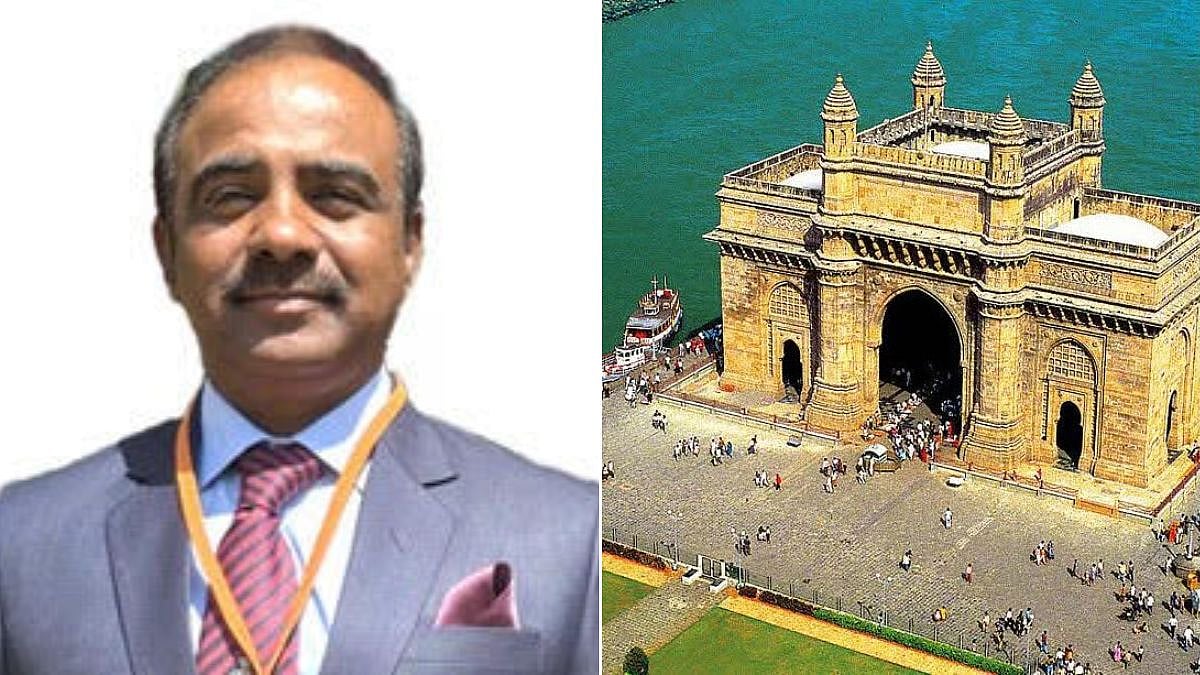
Vikas Pansare, an Indian Administrative Service (IAS) officer, has taken charge as the new Director of Maharashtra Tourism. This appointment is part of a recent statewide administrative reshuffle.
Pansare previously served as the managing director of the Maharashtra Small Scale Industries Development Corporation (MSSIDC), where he gained valuable experience that will likely benefit him in his new role. As Director of Tourism, he will be responsible for implementing policies, promoting Maharashtra's tourism industry overseas and domestically, and developing strategies to increase the state's visibility on the global travel map.
The new director's experience with small-scale industries and inter-departmental governance is expected to contribute significantly to the development of sustainable, community-driven tourism across Maharashtra's diverse regions. These regions include the Konkan coastline, as well as the heritage circuits of Vidarbha and Marathwada.
Under Pansare's leadership, the Directorate of Tourism will focus on key objectives such as global and domestic branding, sustainable tourism development, and streamlining state schemes to facilitate investment and development in tier-2 and tier-3 tourism hubs.
Pansare succeeds Mangesh Joshi, who served as Director for less than four months. During his tenure, Joshi initiated several flagship projects aimed at upgrading regional tourism infrastructure, expanding public-private partnerships, and launching high-visibility marketing campaigns in India and abroad.
The change in leadership is expected to bring new perspectives and approaches to the development of Maharashtra's tourism industry. With Pansare's experience and expertise, the state is likely to see significant growth and improvements in its tourism sector.
As the new director begins his tenure, industry insiders are optimistic about the potential for sustainable and community-driven tourism initiatives. The state's diverse regions offer a wide range of opportunities for tourism development, from the scenic Konkan coastline to the rich cultural heritage of Vidarbha and Marathwada.
In the coming months, Pansare will oversee the implementation of various initiatives aimed at promoting Maharashtra's tourism industry and increasing its global visibility. His leadership is expected to play a crucial role in shaping the state's tourism sector and driving growth and development in the industry.
The appointment of Vikas Pansare as the new Director of Maharashtra Tourism marks a significant development in the state's efforts to promote its tourism industry. With his experience and expertise, the state is poised to make significant strides in developing its tourism sector and increasing its visibility on the global travel map.
The new director's priorities will be closely watched by industry stakeholders, who are eager to see the impact of his leadership on the state's tourism industry. As Maharashtra continues to develop its tourism sector, the role of the Director of Tourism will be critical in shaping the state's strategy and driving growth and development in the industry.
In conclusion, the appointment of Vikas Pansare as the new Director of Maharashtra Tourism is a significant development that is expected to have a positive impact on the state's tourism industry. With his experience and expertise, the state is likely to see significant growth and improvements in its tourism sector, and his leadership will play a crucial role in shaping the state's tourism strategy and driving development in the industry.
Frequently asked questions
Who is the new Director of Maharashtra Tourism?
Vikas Pansare, an IAS officer, has taken charge as the new Director of Maharashtra Tourism.
What are the key priorities of the new director?
The key priorities include global and domestic branding, sustainable tourism development, and streamlining state schemes to facilitate investment and development in tier-2 and tier-3 tourism hubs.